
Payout Speeds: ecoPayz Casino Withdrawal Time Metrics
 Available in GB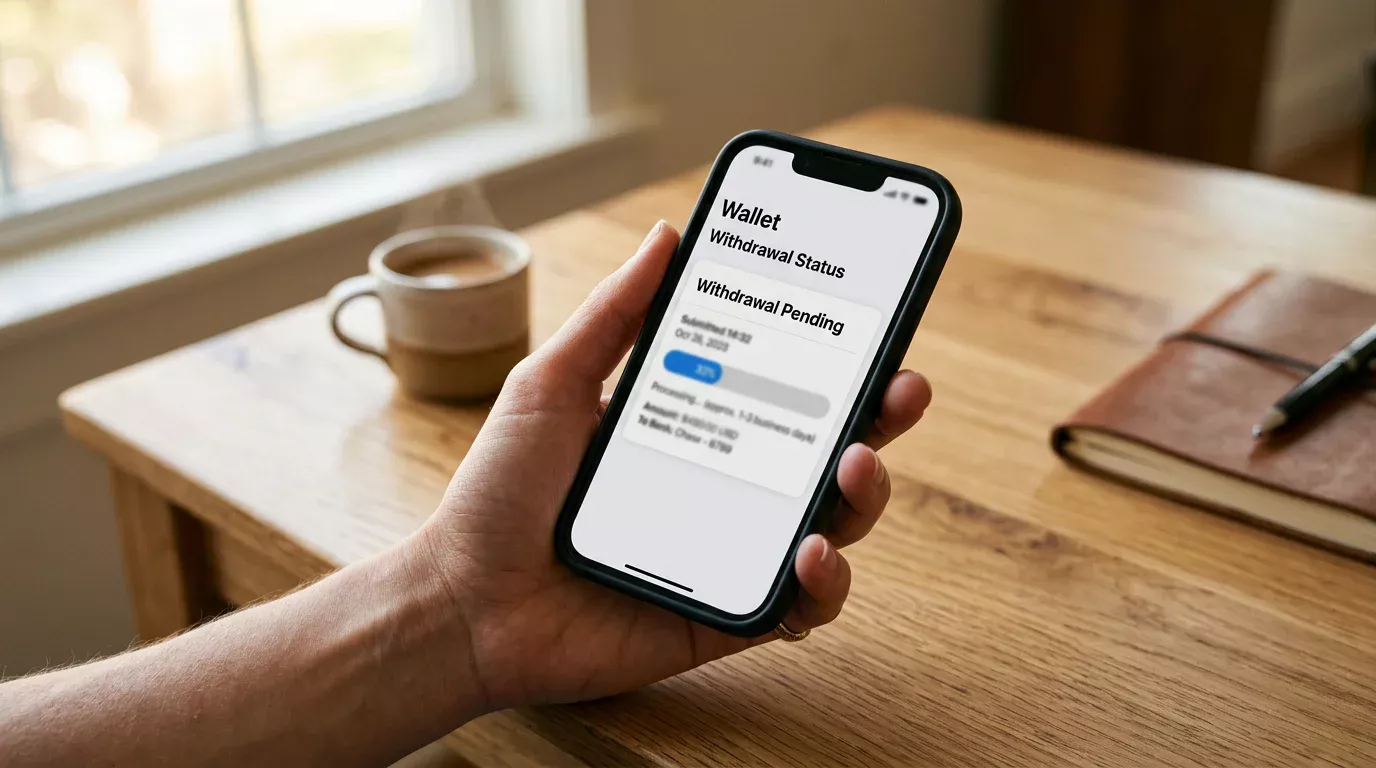
The single most common email I get from readers is some version of “I requested a withdrawal three days ago and it still says pending — is this normal?” The honest answer is almost always yes, but the longer answer is that “pending” covers at least four distinct stages, and knowing which stage your payout is sitting in tells you whether to wait or to chase. UK casino withdrawal timing has more moving parts than the cashier UI suggests, and I want to walk through what is actually happening between the moment you click “withdraw” and the moment the funds appear in your Payz balance.
The headline figure most operators advertise — instant, 24 hours, 1-3 working days — is the leg of the journey they control. Payz adds its own processing on the receiving end, and the regulator has been pushing for greater transparency about the whole pipeline. In nine years of mapping these timelines, I have learned that the realistic distribution sits between 24 and 72 hours from request to wallet for the typical UK case, with edge cases stretching to a week.
Four Processing Intervals for UK Casino Cashouts
Picture the withdrawal as a relay race between three runners — the casino, the payment network, and Payz — and the baton has to be cleanly passed at each handoff. Most of the apparent delay comes from the handoffs, not from any individual leg taking long.
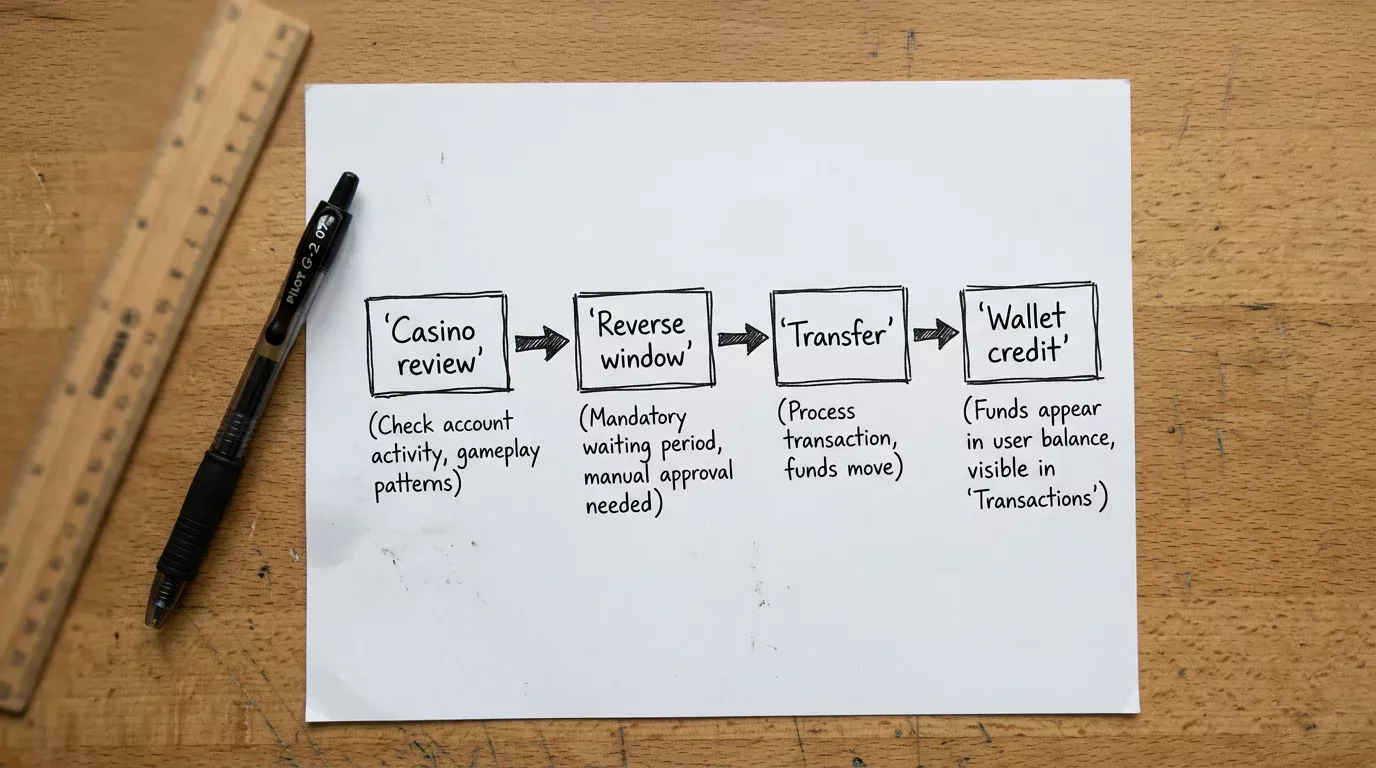
Stage one is internal review at the casino. This is the operator confirming that the withdrawing player is the same person who deposited, that the funds being withdrawn have been wagered enough to clear any bonus conditions, and that no responsible-gambling flag is open on the account. This stage can take anywhere from minutes on a fully verified account with no bonus play to 48 hours on a fresh account or one with recent unusual activity. The regulator’s stance on these checks is worth understanding properly. Tim Miller, the UKGC’s Executive Director, has emphasised that the affordability framework is not about second-guessing every player: “The checks we have been piloting will not even attempt to make an assessment of what each customer can afford to gamble.” The point of stage one, in other words, is structured risk screening, not a granular adjudication of household finances — and that’s why most cases clear quickly.
Stage two is the reverse-withdrawal window. UK operators are required to offer a cooling-off period, typically 24 to 48 hours, during which the player can cancel the withdrawal and return funds to the playable balance. Some operators force this window; the better ones make it optional and let players bypass it on request. If you withdraw on Monday evening and the operator forces a 48-hour cancellation window, the funds will not leave the casino until Wednesday evening regardless of how quickly anything else moves.
Stage three is the actual transfer instruction. The casino’s payments team or automated rails issue a credit to your Payz wallet via PSI-Pay’s infrastructure. This part is fast — often near-instant for established casino-Payz relationships — but it depends on the casino’s batch schedule. Some operators batch payouts twice a day, some hourly, a few in near real time. None of this is visible from the player side.
Stage four is Payz crediting the funds to your balance. This is mostly instant once the inbound credit arrives, but Payz applies its own anti-fraud screening on the receiving end, particularly on larger amounts or first-time inflows from a new merchant. Payz operates as an e-money institution under PSI-Pay Ltd’s authorisations across 174 countries, and that compliance footprint means inbound transactions get screened against the same risk frameworks as outbound ones.
Why “24 Hours” Rarely Means 24 Hours
A reader emailed me last spring asking why his £1,200 withdrawal was taking 72 hours when the casino’s terms promised “up to 24 hours”. The casino had honoured its terms — the funds left the operator within 23 hours. The other 49 hours were split between a reverse-withdrawal window the player did not realise was running, a weekend, and a Payz-side enhanced screening because £1,200 was the largest single inbound credit his wallet had ever received.

This is the more common reality. The casino’s quoted time covers one leg, not the journey. When a wallet first becomes a destination for serious casino payouts, expect a one-time additional Payz review on the first large credit. Subsequent withdrawals from the same operator usually move faster because the merchant-wallet relationship is now established in the risk system.
Weekends compress everything. A withdrawal requested Friday at 18:00 will often not begin stage three until Monday morning. Cashier teams at most UK operators run reduced staffing on weekends, automated rails handle small payouts but route larger ones to human review on Monday. If timing matters to you, request withdrawals Monday through Wednesday. The same withdrawal that would settle in 30 hours mid-week can stretch to 90 hours over a weekend, and it has nothing to do with Payz.
Reading the Cashier Signals
Most UK casino cashiers show a withdrawal status that updates as the request moves through the pipeline. The wording varies but the categories are consistent. “Pending review” or “awaiting approval” means stage one — the operator is checking the account. “Approved” or “processed” usually means stage two has cleared and the reverse window is either complete or never applied. “Sent” or “complete” on the operator side means stage three has fired and the funds are en route to Payz. At that point any remaining delay is on the receiving wallet’s side, and the casino cannot help with it.
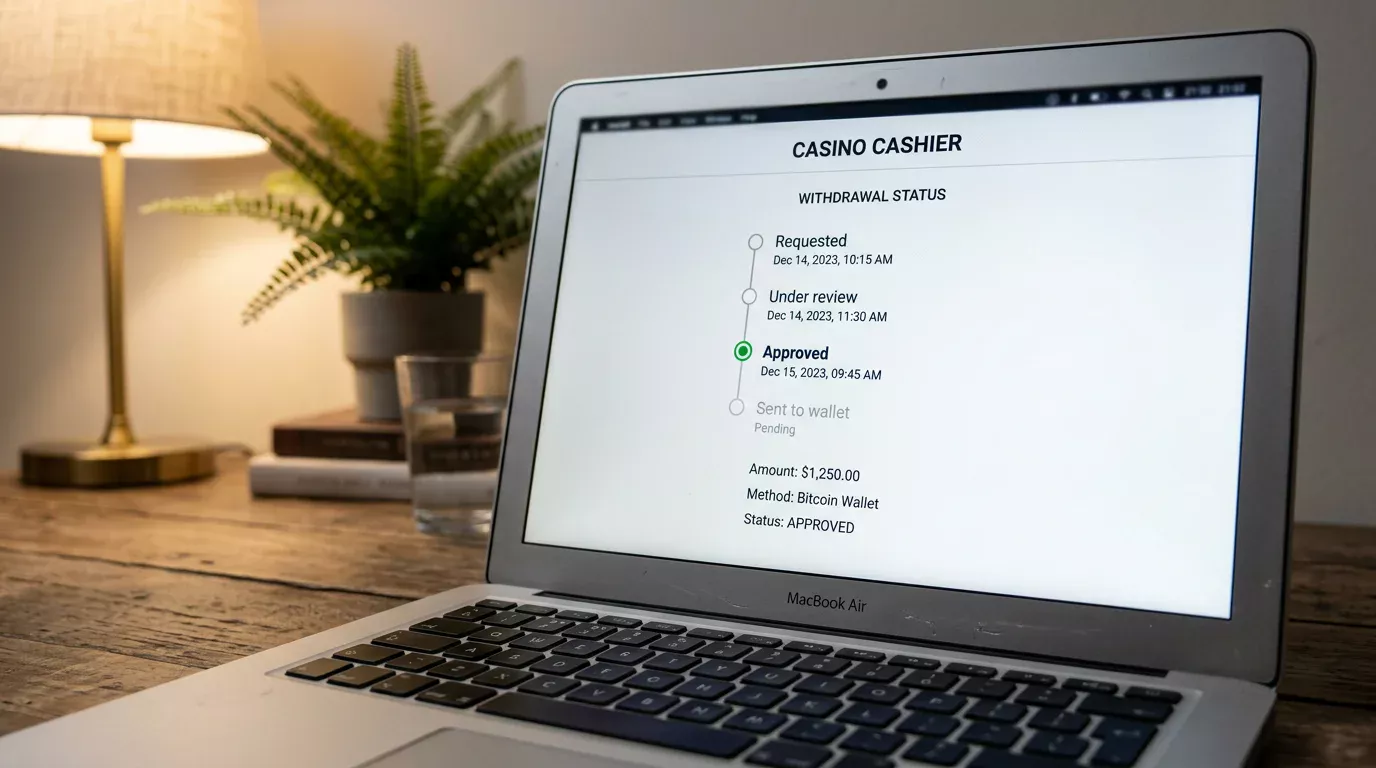
This distinction matters when you decide whom to contact. Chasing the casino about a withdrawal that already shows “sent” is a waste of both their time and yours. Chasing Payz about a withdrawal still showing “pending review” at the operator is equally pointless because the funds have not been dispatched yet. The first piece of information any support agent will ask for, on either side, is the status the other party is reporting.
Payz’s wallet history is also worth checking carefully. Inbound transactions sometimes show as “pending” with a credit date that suggests they will land within a specific window — usually a few hours but sometimes overnight on the first credit from a new merchant. If the wallet shows a pending inbound, the funds are already inside the Payz risk pipeline and will surface when screening clears.
The Verification Dimension
Affordability and identity checks are the silent extenders of withdrawal timing in the UK market, and this is the area that has changed most in the last two years. The regulator has pushed operators toward what it calls frictionless affordability checks — algorithmic background screens that do not interrupt the customer journey — with the published figure being that 97% of these checks now run frictionlessly using open banking and credit-reference data. That sounds reassuring, and for routine deposits it is. Withdrawals are different. A first sizeable payout to a new wallet often triggers source-of-funds documentation requests that operators are obligated to make, and those requests can pause a withdrawal indefinitely until you respond.
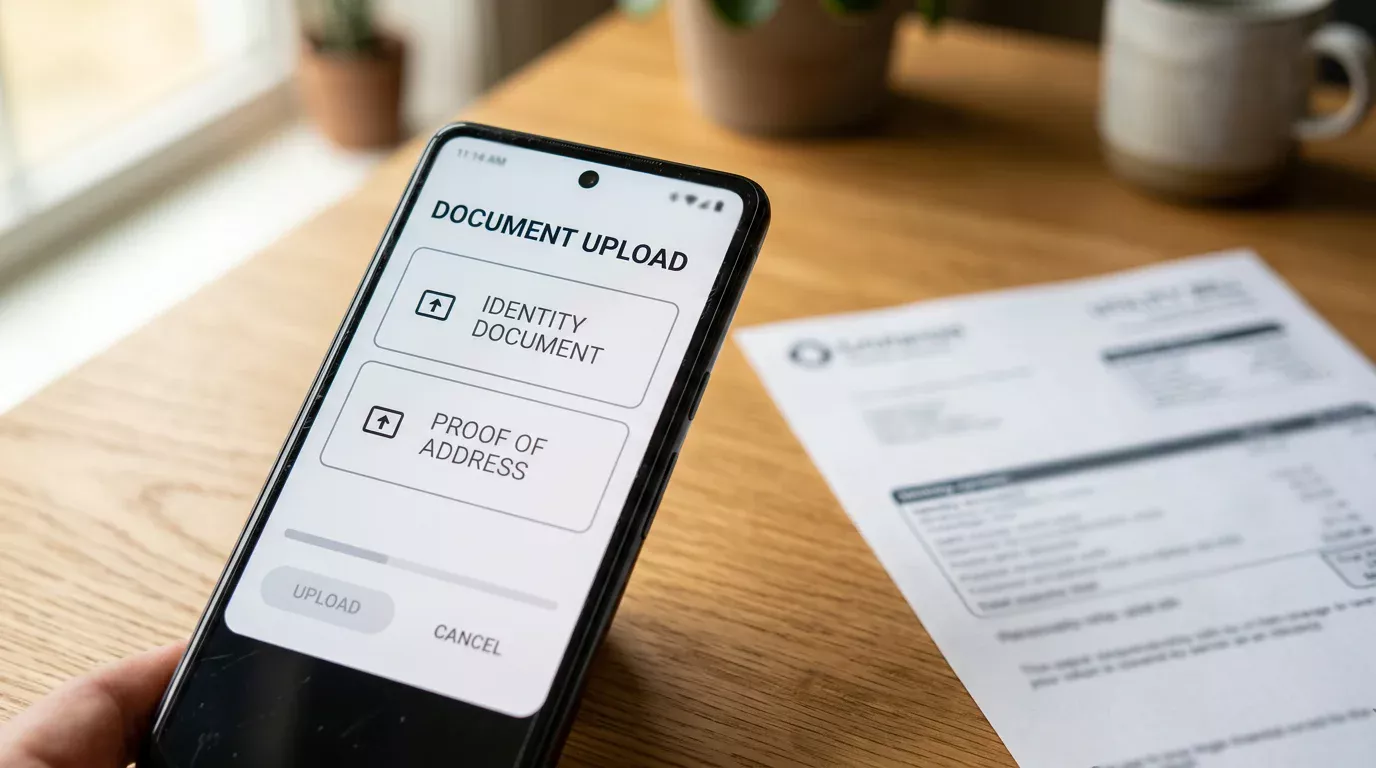
I tell readers to do verification proactively rather than reactively. If you intend to use a Payz wallet for material casino activity, upload your ID and proof of address at registration, not at the moment a withdrawal triggers a request. That alone shaves a typical 24 to 72 hour delay off your first payout. Some of the timing pain people attribute to Payz or to “slow casinos” is actually verification queues that could have been avoided.
Currency and Conversion Delays
If you withdraw in a currency that does not match your wallet’s account currency, the conversion adds its own small delay — usually minutes rather than hours, but occasionally longer when conversion rates are being refreshed or when the amount is large enough to trigger additional checks. The conversion margin matters too. I have written separately about how Payz applies FX margin on casino conversions and that piece covers the cost side; on the timing side, the practical advice is to align wallet currency with casino currency wherever possible. Same-currency credits settle faster and cleaner than cross-currency ones.
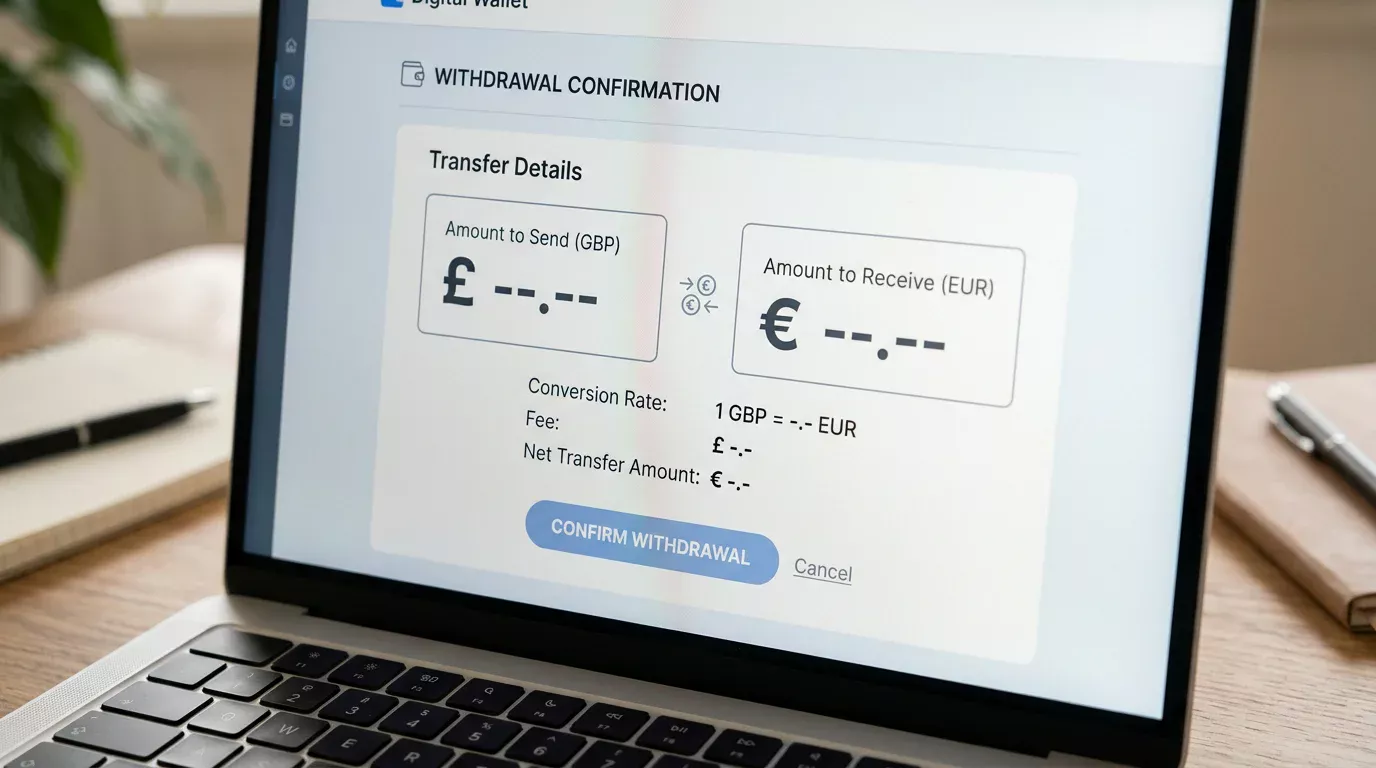
I have seen withdrawals from EUR-denominated casinos to GBP-denominated wallets take six hours longer than the same operator’s GBP-to-GBP payouts. The difference is conversion processing on the Payz side and occasional manual review when the converted amount crosses a threshold. Nothing in this stage is the casino’s fault, but everything in it adds to the customer’s perception of “Payz is slow”.
When Delays Become Problems Worth Escalating
Some “pending” statuses are normal. Some are not. The signals that suggest something has actually gone wrong, rather than just taken time, are reasonably consistent. First, the status has not moved at all in 96 hours despite the wallet being verified and no bonus conditions open. Second, the casino tells you the withdrawal has been “sent” but Payz has no record of any inbound transaction, even pending, after 24 hours. Third, you receive a request for documentation you have already provided, suggesting paperwork has not been linked to your file correctly.

The complaint channel for UK operators is well established. The licensed operator must offer internal complaints resolution, and unresolved complaints route to an independent ADR provider. The UKGC public register lists every licensed operator and their ADR partner, and that information should be your first stop when you decide to escalate. For Payz-side issues, the wallet’s UK-regulated entity (PSI-Pay Ltd) is FCA-supervised and complaints route through the Financial Ombudsman Service after internal resolution. Knowing the right channel upfront saves weeks compared to writing to whoever you reached last.
A Realistic Timing Checklist Before You Withdraw
The most useful single piece of advice I can give on UK withdrawals is to set expectations before requesting. Check the operator’s stated withdrawal time and add a buffer for the reverse window. Confirm your verification is complete and there are no open document requests. Time the request for early in the week if a weekend would otherwise interrupt the pipeline. Match wallet currency to casino currency if possible. Note your wallet’s tier and any per-transaction limits that might force the payout to be split. Save the casino’s withdrawal reference somewhere reachable so you can quote it if you need to chase.
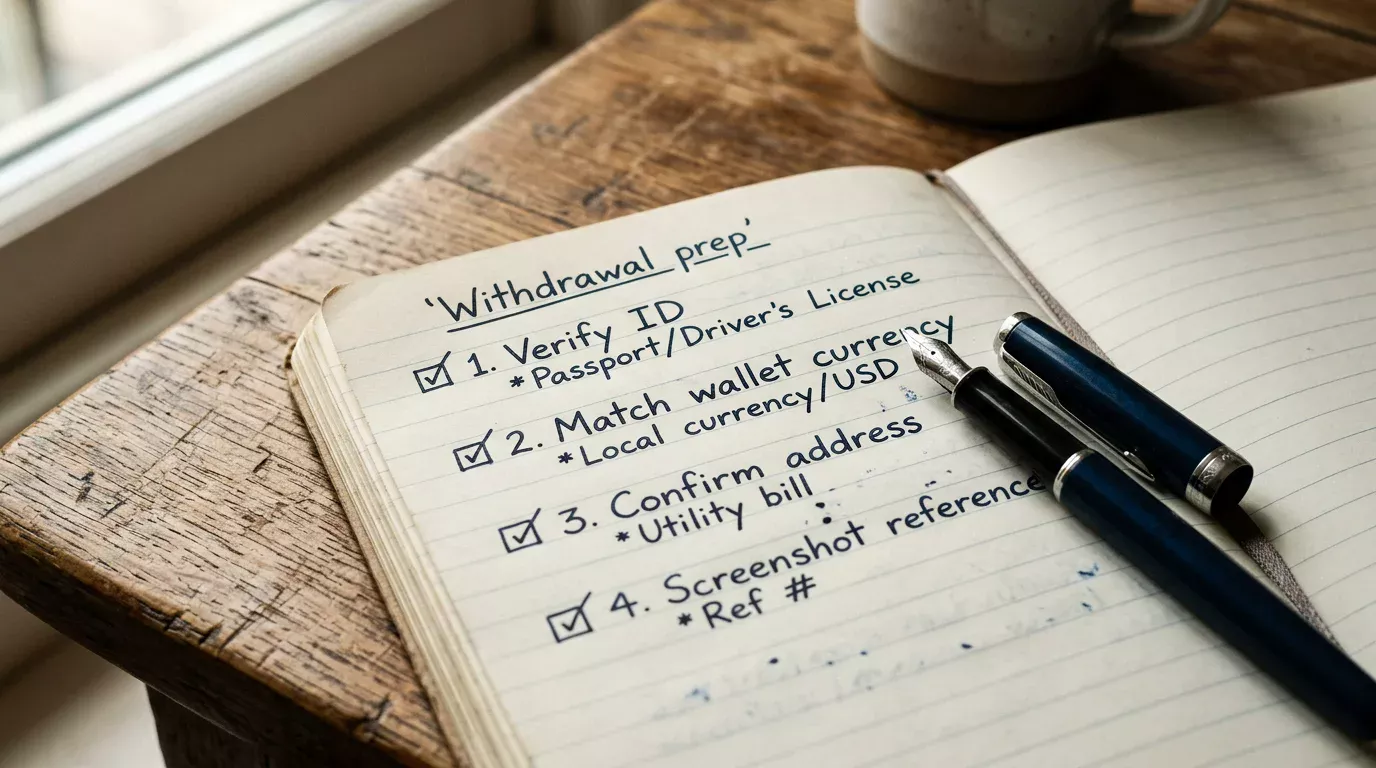
None of this is glamorous, and most of it is the kind of operational hygiene that experienced players have internalised without thinking. But the gap between a “slow” withdrawal and a “normal” one is usually pre-planning, not luck. I have stopped being surprised by 24-hour withdrawals from operators advertising instant payouts; I am now more often surprised when one of mine actually arrives in the advertised window with no friction at all.
Created by the "Paylobby" editorial team.