
Cashless Comparison: ecoPayz vs Paysafecard
 Available in GB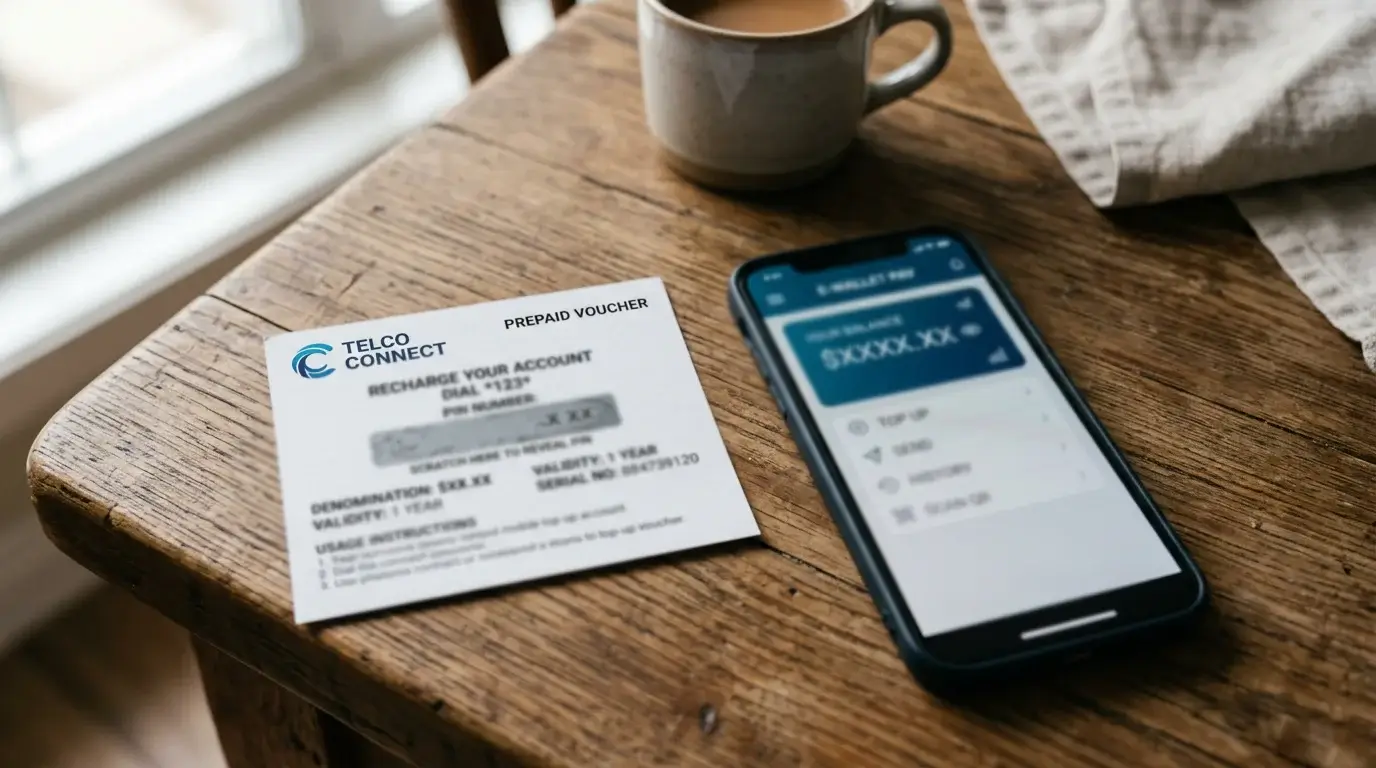
A reader in Manchester sent me a question I had not been asked in roughly that form before: he wanted to fund his casino activity entirely with cash, no bank or card involved, and he wondered whether Paysafecard or Payz was the right route. He was the rare combination of someone who actively used UK online casinos and someone who genuinely did not have a debit card he was willing to involve in the funding chain. The answer was Paysafecard, and the reasoning is worth walking through because it illustrates a fork in the casino-payments landscape that most discussions skip past.
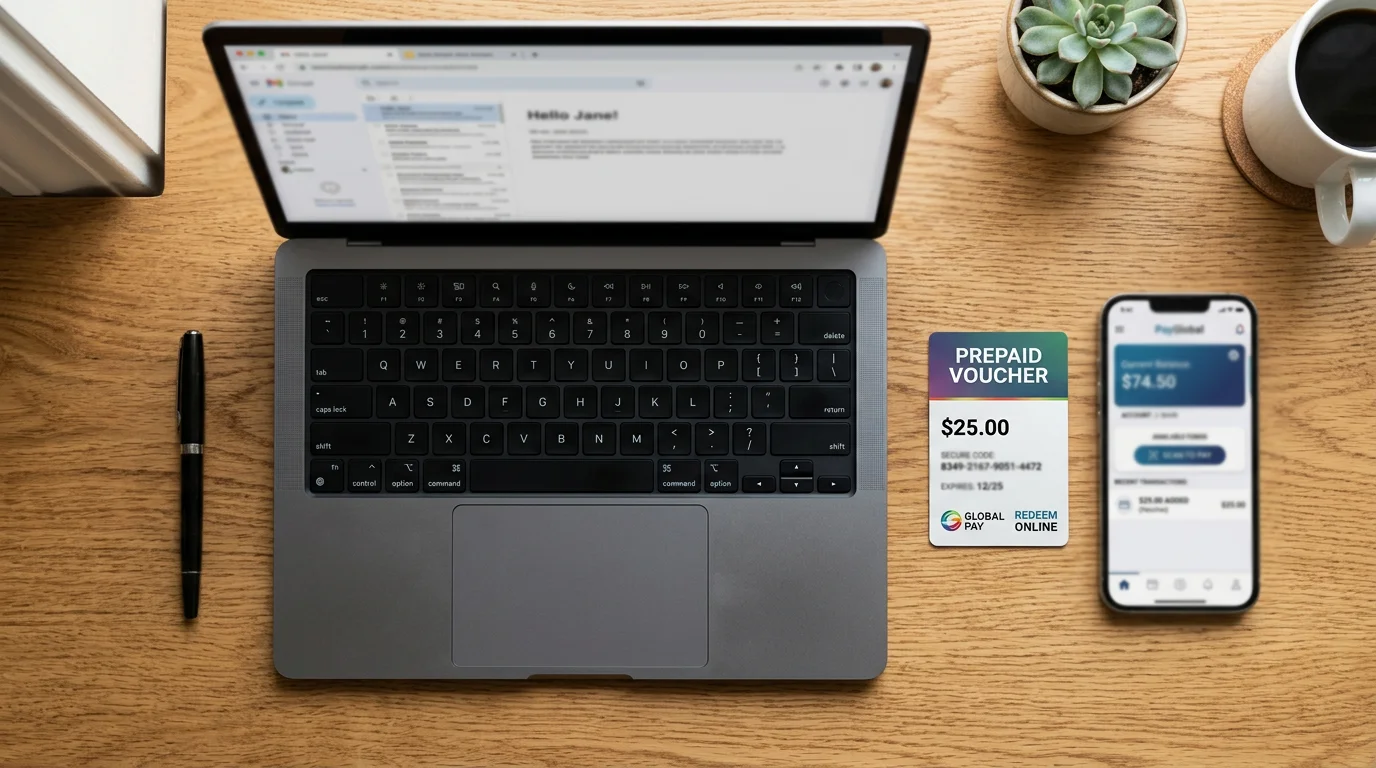
Paysafecard and Payz are both described loosely as “alternative payment methods”, and they both end up with funds reaching a casino without a card transaction at the operator end. The mechanics, however, are wildly different. Paysafecard is a one-time prepaid voucher with a 16-digit PIN, typically funded with cash at a retail point of sale. Payz is a stored-balance e-money wallet that holds value across sessions and supports both deposits and withdrawals. Calling them alternatives to cards bundles two very different products that solve adjacent but distinct problems.
Distinct Digital Processing Frameworks Compared
The UK digital payments market sat at roughly USD 11.7 billion in 2025 with forecast growth to USD 43.7 billion by 2034 — a compound annual growth rate of around 15.2%. Within that broad category, prepaid vouchers and stored-value wallets are growing at different rates. Vouchers solve the cash-to-online bridge problem; wallets solve the everyday-payments-organisation problem. They overlap at the casino deposit step but diverge at every other point.
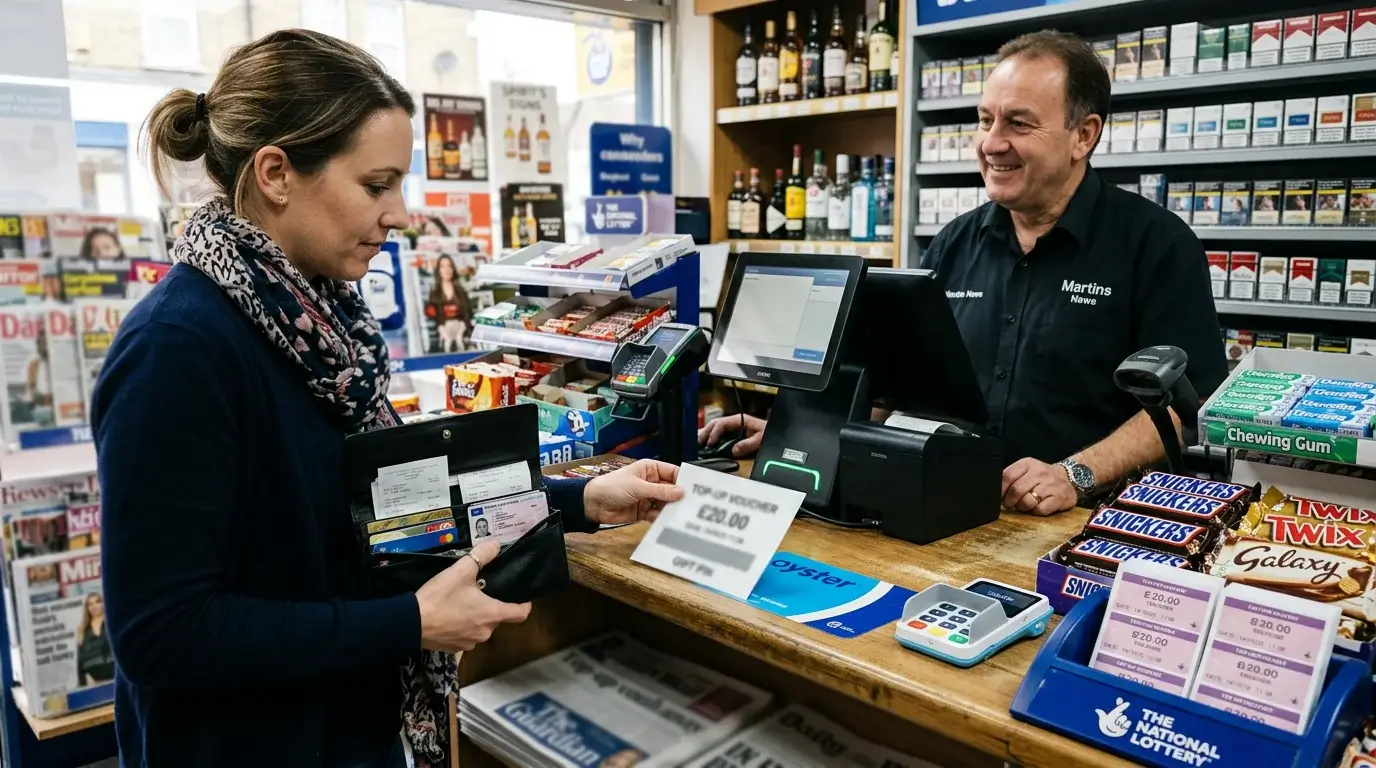
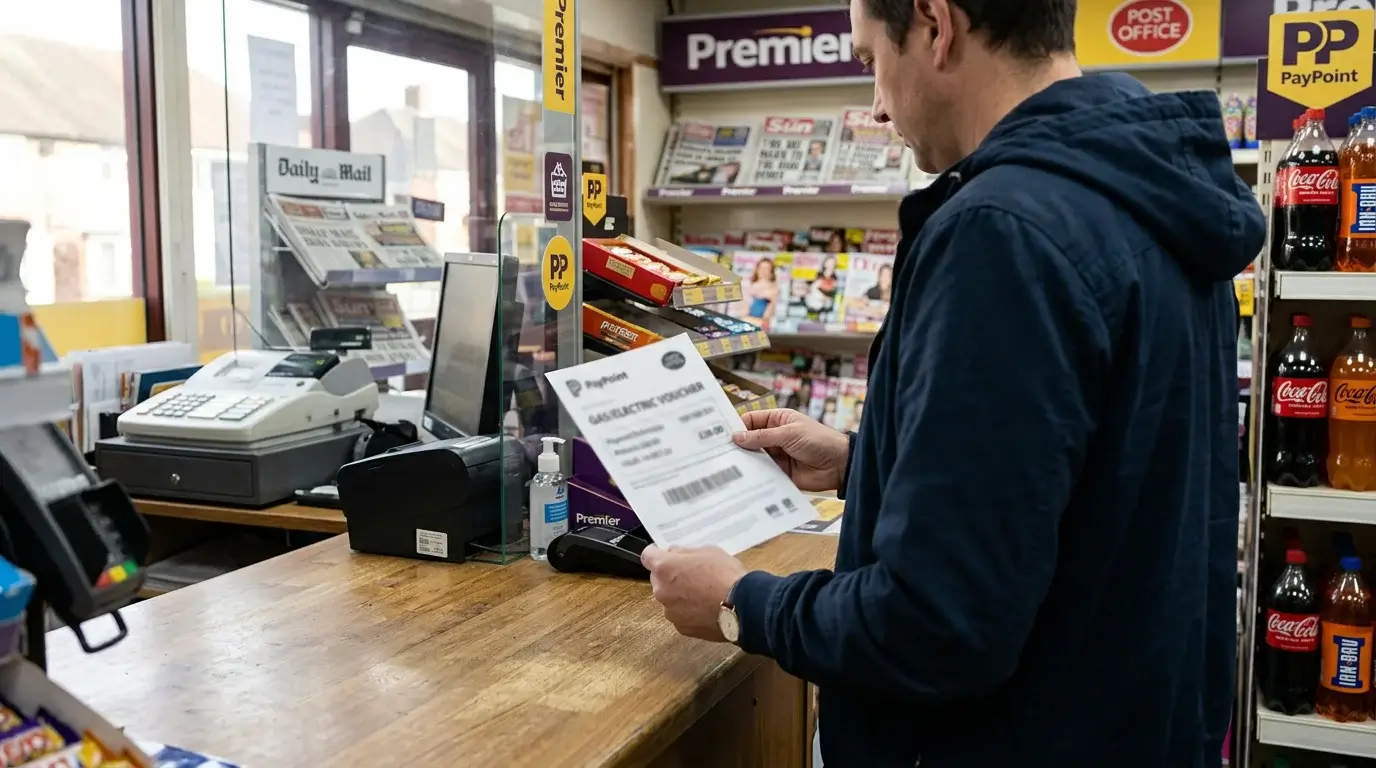
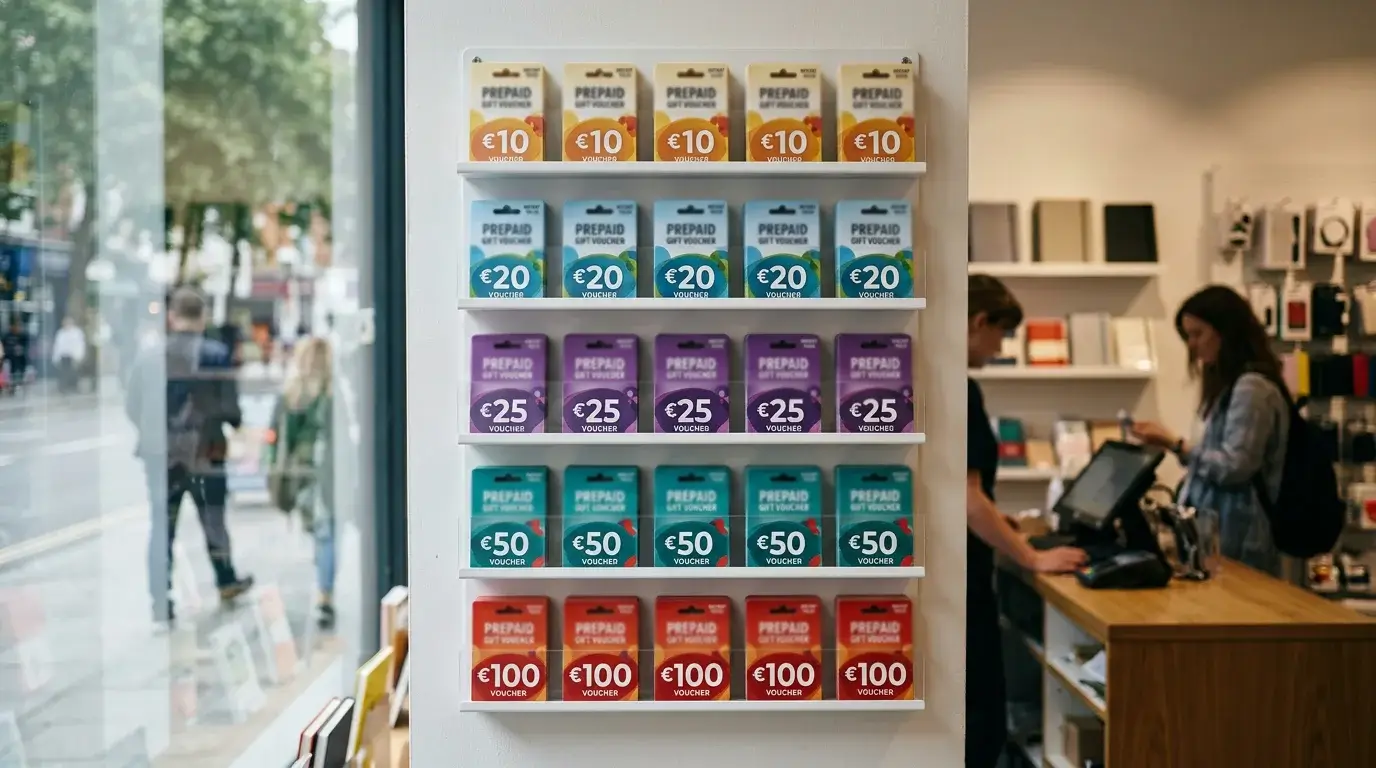
Paysafecard’s model is straightforward. You buy a voucher at a participating retail outlet — newsagents, supermarkets, petrol stations — for a fixed amount, typically £10, £25, £50, or £100. The voucher carries a 16-digit PIN. To deposit at a casino that accepts Paysafecard, you enter the PIN at the cashier. The voucher’s value is consumed (or partly consumed, with the unused balance available against future deposits via myPaysafe). The transaction is complete with no bank account, no card, and no online account creation needed for the basic flow.
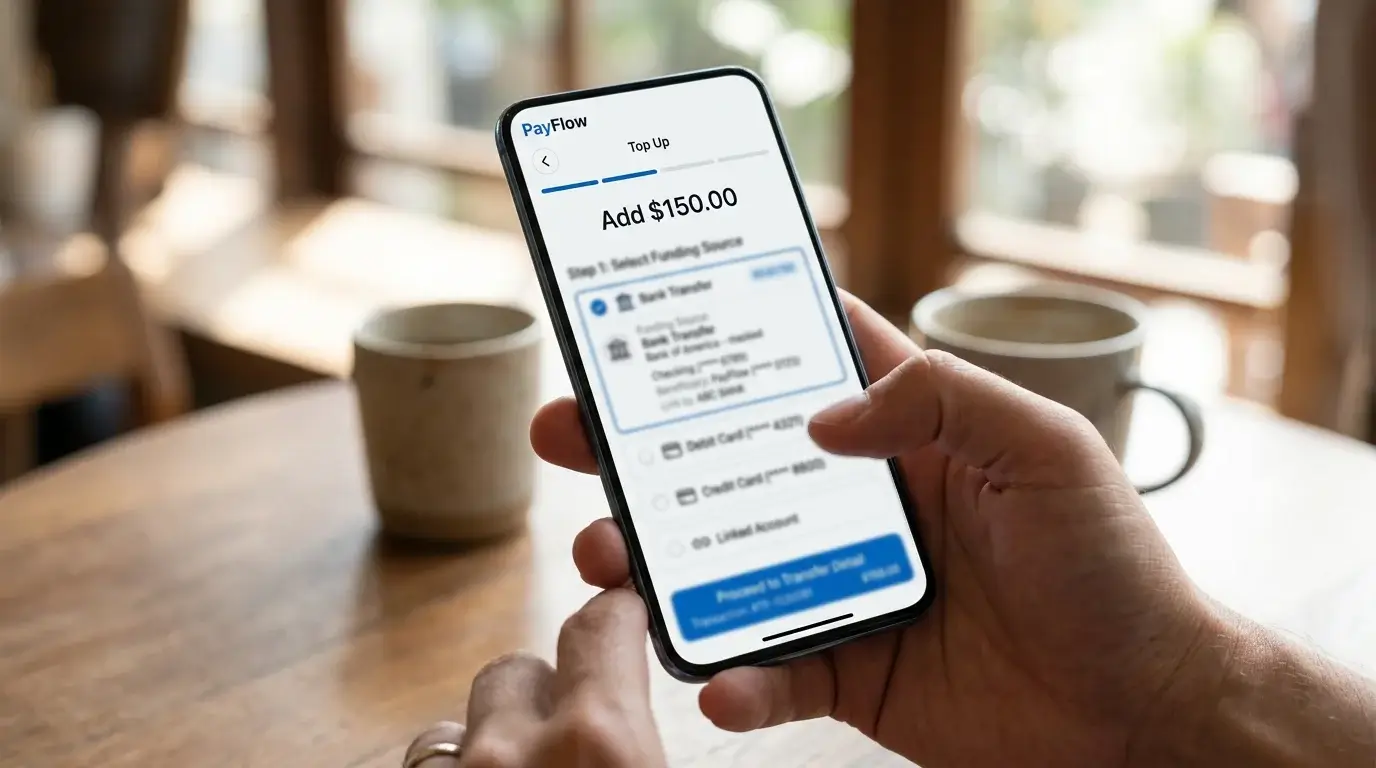
Payz’s model is the stored-value wallet I have described throughout this set of articles. Top up from a funding source, hold balance, deploy into casino activity at your pace, receive withdrawals back into the wallet, move funds onward at your discretion. The flow is multi-step and account-based rather than voucher-based.
Top-Up Mechanics, Side by Side
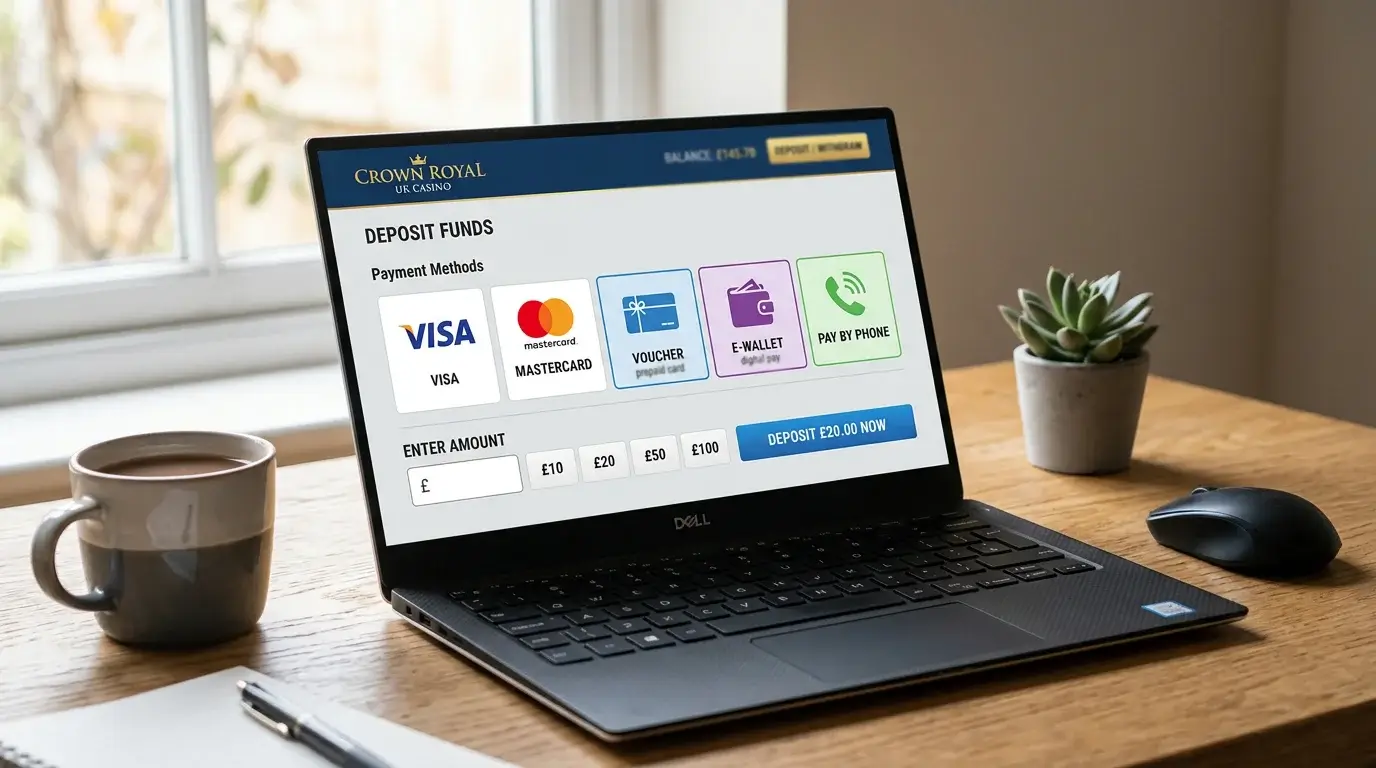
Paysafecard top-up is cash-friendly by design. The retail outlet accepts cash for the voucher purchase; the customer leaves with a printed voucher carrying a PIN. The UK online gambling market is forecast for a 12.8% compound annual growth rate through 2030, and within that growth pattern, cash-funded play remains a niche but persistent segment — typically players who specifically do not want banking or card records of their casino activity, or who do not have ready access to a bank account suitable for online transactions.
Payz top-up is digital — bank transfer, debit card (subject to the credit card ban for gambling-bound funds), or selected other digital sources. There is no cash route to the wallet. Players who specifically want a cash-to-online bridge cannot get there via Payz; that is where Paysafecard fits the gap that the wallet does not.
The implication for the right pick by player profile is simple: Paysafecard wins decisively when the requirement is cash funding. For any digital funding source — bank, card, alternative wallet — Payz is more flexible because it holds balance and supports varied deployment, while Paysafecard requires voucher purchase for each new top-up.
Coverage at UK Casinos
Paysafecard support at UK online casinos is meaningful but narrower than Payz. The voucher integration requires operator-side handling of PIN entry and partial-voucher tracking; not every operator has invested in the full Paysafecard flow. Payz support, as noted in adjacent articles, is near-universal at UK-licensed operators.
The coverage gap has narrowed over recent years. Operators that specialise in serving the cash-friendly and privacy-conscious end of the market generally support Paysafecard; mainstream UK brands typically support both. The smaller and specialist operators are more likely to skip Paysafecard than to skip Payz.
Withdrawal Options — The Structural Divergence
This is where Paysafecard and Payz diverge most sharply, and most consequentially for any serious casino player. Paysafecard, as a voucher product, does not natively support withdrawals. There is no Paysafecard PIN that goes from the casino back to the player; the product is one-way by design. Casino payouts to Paysafecard-funded players therefore route through a fallback method — usually a bank transfer or alternative wallet — at the operator’s discretion or the player’s selection at withdrawal time.
This is the largest practical limitation of Paysafecard for sustained casino play. Players who fund with vouchers end up withdrawing through a different mechanism, which usually requires providing bank details at the withdrawal step. The cash-to-online privacy of the deposit is preserved; the withdrawal side imports the standard banking visibility because the funds have to land somewhere identifiable.

Payz supports both directions natively. Casino payouts route back to the wallet on the same e-money infrastructure that handled the deposits, with funds landing in the wallet balance within standard processing windows. The wallet’s two-direction support is the operational advantage for any player who expects to withdraw winnings rather than just deposit and lose.
For some players this asymmetry is a feature of Paysafecard rather than a bug. Cash-funded play with bank-routed withdrawal preserves the deposit-side privacy while accepting that any winnings will need to land somewhere identifiable. The combination — deposit privacy plus standard withdrawal — works for a specific kind of user.
Who Suits Which Method
Paysafecard suits the player who is funding play with cash, prefers no online account at all on the funding side, deposits small amounts at discrete intervals, and either does not expect to withdraw winnings or is comfortable providing bank details at the withdrawal step. The product is honest about what it does and does not try to be a comprehensive payment account.
Payz suits the player who is funding play with digital sources, wants stored balance across sessions, deposits across a range of amounts, expects to withdraw winnings to the same payment method, and values the wallet as a managed account between bank and casino. The product is broader in scope but requires the digital onramp that Paysafecard does not.
The combination of both is not common but does exist. A small minority of players I correspond with deposit via Paysafecard for casual entertainment-sized cash spends and use Payz for any activity where stored balance or withdrawal handling matters. The two are not mutually exclusive — many UK operators accept both — but the operational overhead of running two payment methods rarely makes sense unless the player has specific reasons.
Identity and Verification
Paysafecard’s basic flow is anonymous in the sense that voucher purchase requires no identification at most retail outlets. The casino, however, applies its own KYC at the operator-account level when the player exceeds verification thresholds, so the anonymity at the funding step does not persist into the casino account. Players who deposit small amounts and stay below verification thresholds can play with minimal identification; players who scale up will end up verifying at the casino regardless of voucher use.
Payz applies its own KYC at the wallet level — full identity verification is required for any meaningful wallet activity, and tier upgrades require additional verification steps. The wallet does not offer the same low-verification onramp that Paysafecard provides at the deposit step, although the casino-side verification is broadly similar to what a Paysafecard-funded player would also face.
The privacy comparison thus runs differently in each direction. On the funding side, Paysafecard provides more anonymity. On the descriptor side, Payz provides more privacy on the bank statement. On the regulatory side, both are subject to UK KYC at the operator level once activity scales up. There is no fully anonymous route into UK casino play for any sustained activity; both methods provide partial privacy within the regulated framework.
Fees and Limits
Paysafecard charges no fee at voucher purchase, but the voucher denominations are fixed (£10, £25, £50, £100, etc.) and unused balance attracts a service charge after twelve months of dormancy. Currency conversion on Paysafecard is generally less efficient than on dedicated wallets, partly because the product is built around fixed-amount vouchers rather than flexible balances.
Payz charges its tier-dependent fee structure, with the FX margin around 2.99% applied to currency conversions. The fee picture is more complex but also more controllable — players who match wallet currency to casino currency can avoid FX entirely; players who upgrade tiers can reduce other charges.
For routine UK GBP casino activity at small to medium amounts, the headline fee picture is roughly comparable between the two methods, with Paysafecard’s voucher denomination steps producing slightly less granular cost control than Payz’s flexible balance approach.
The Settled View
Paysafecard and Payz address different player needs and should be evaluated against those needs, not against each other. For cash-funded deposit-only play at moderate amounts, Paysafecard is the right tool. For comprehensive casino-payment activity including withdrawals and varied operator coverage, Payz is the right tool. For most UK players the answer is Payz because most UK players have digital funding sources and want withdrawal support; Paysafecard fills a specific gap that exists when those conditions do not apply.
Both methods have a legitimate place in the UK regulated casino-payments landscape. Both are honest about their respective scopes. The reader who specifically wanted cash-only funding got the right answer in Paysafecard; readers who write to me asking the same comparison without that specific requirement almost always end up at Payz once they understand what each product is actually for. The comparison is real but the framing of “vs” implies a head-to-head that does not match the structural reality of how each is designed to be used.
For players considering the bank-direct alternative to either approach, the comparison with Trustly Pay N Play covers the open banking route, which produces yet another set of trade-offs to weigh alongside the voucher-versus-wallet question this article addresses.
Created by the "Paylobby" editorial team.