
Smartphone Gaming: ecoPayz Mobile Casino Integration
 Available in GB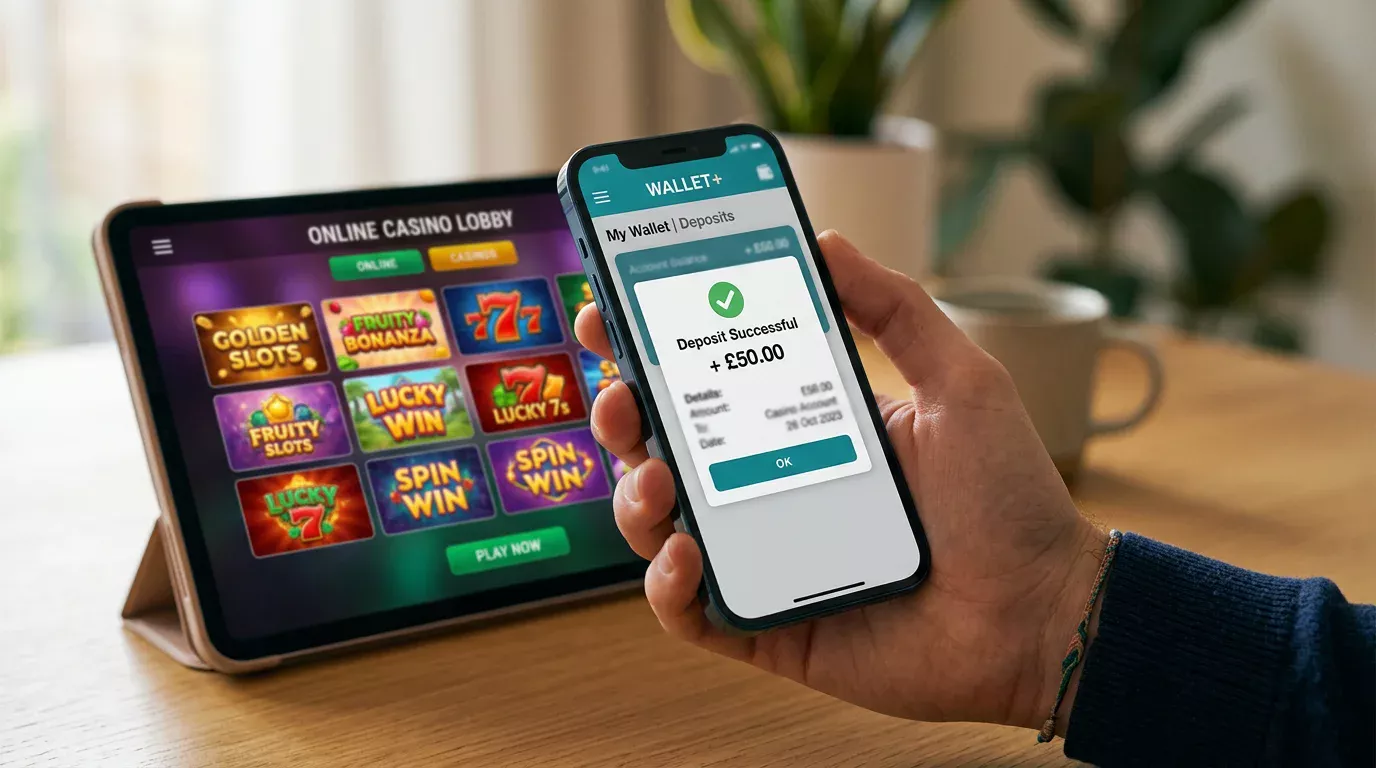
My phone is where most of my Payz casino testing happens, and the reasons are entirely practical. The phone is faster to unlock with a fingerprint than a laptop is with a password, the Payz app push notification arrives before the browser tab finishes loading, and biometric confirmation cuts the deposit flow from twelve clicks to three. Reader emails about mobile Payz issues outnumber desktop emails by roughly four to one — partly because that is where players spend, partly because the failure modes are different.
Around 42% of UK adults were registered on a mobile wallet by the end of 2023, with 34% making contactless mobile payments at least monthly. Those numbers explain why every UK casino now treats mobile as the default, and why the Payz integration on mobile receives more engineering attention than the desktop version. The trade-off is that the mobile flow has more moving parts — app, browser, biometric prompt, push notification, sometimes a second factor — and any one of them can fail.
Structural Features and Design of the Payz Mobile Application
The Payz app is, at its core, a wallet front-end. It does not process a casino payment itself; it authorises the transaction that PSI-Pay’s backend executes. Knowing what each screen actually does helps when something stalls.
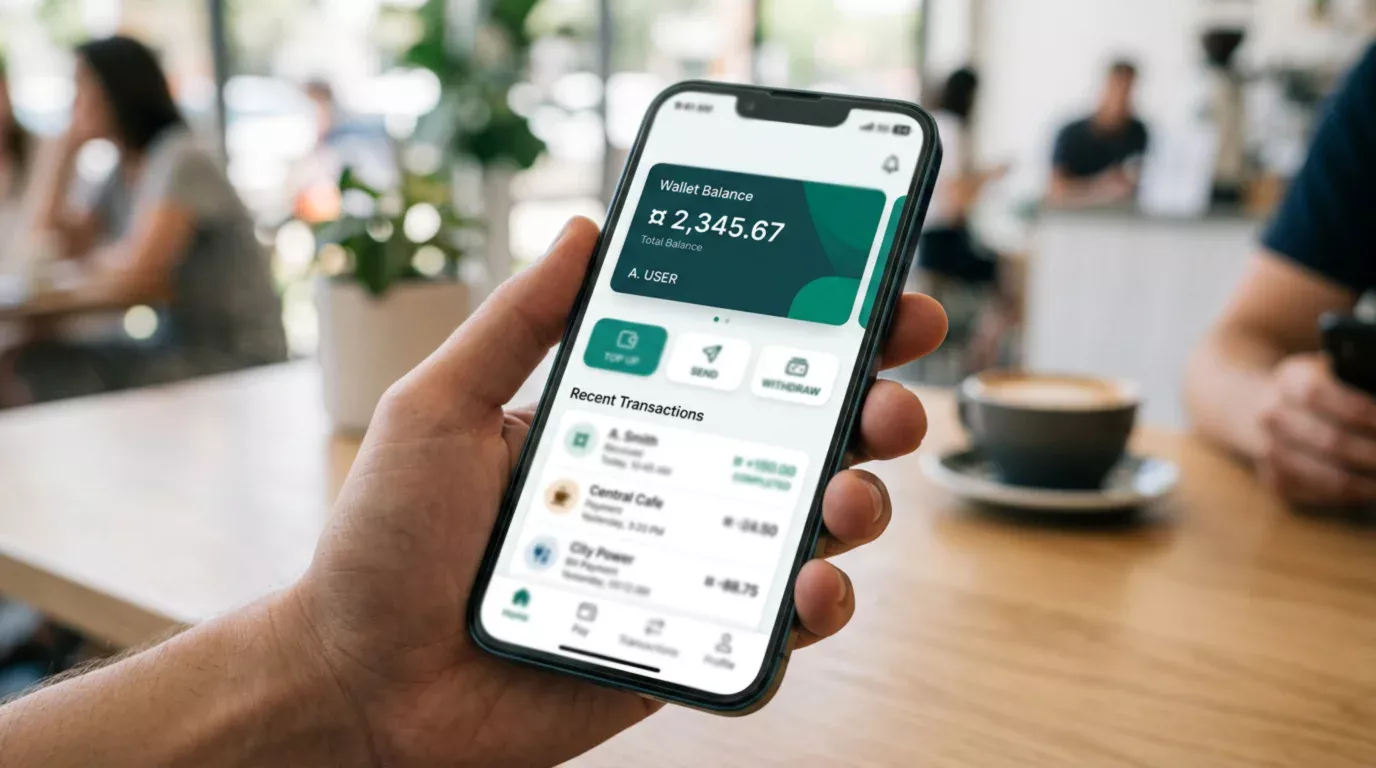
The home screen shows your balance per held currency, with quick actions for top-up, send, and the eco-Virtualcard generator. The transaction list is the source of truth for whether a deposit reached the operator — if the app shows the debit but the casino shows nothing, the issue is between Payz and the operator, not with your wallet. The settings screen exposes the security primitives: 2FA toggle, biometric login, device-trust list. Most of the support cases I see start with one of these toggled off when it should be on.
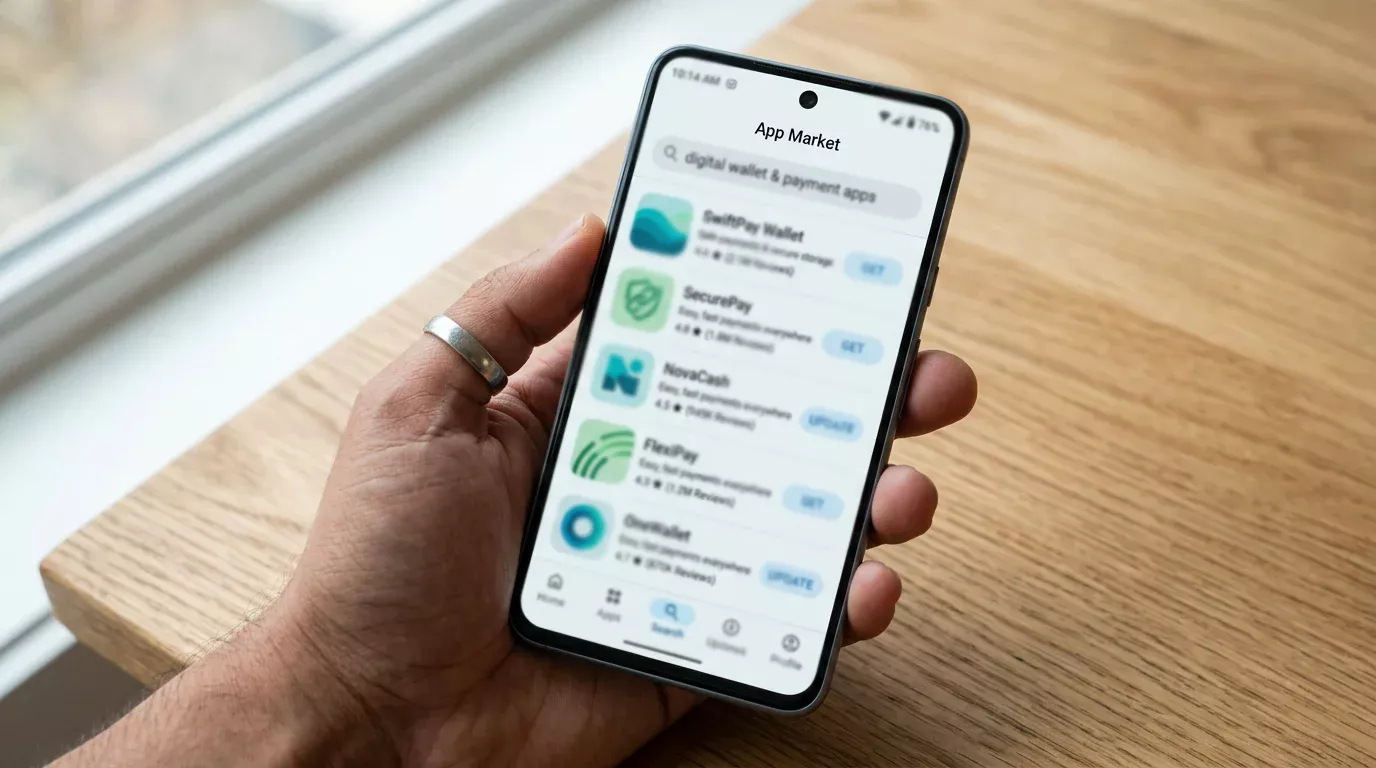
The app’s interaction with the broader mobile environment changed in mid-2025 when the Competition and Markets Authority designated Apple and Google as holding “strategic market status” under the Digital Markets Regulation. The headline consequence is that those platforms are now required to allow interoperability and to reduce app-store frictions. The practical near-term effect is small — Payz still installs from the App Store and Play Store as it always has — but the regulatory direction matters because it constrains how Apple and Google can favour their own wallets over third-party wallets like Payz at the operating-system level.
The Casino Cashier on a Small Screen
The mobile cashier is where most things go wrong, and almost none of the failure modes are Payz’s fault. Operators commonly render the cashier in a responsive web view rather than in a native app, and the interaction between that web view, the Payz app handoff, and the operating system’s autofill is the source of most of the friction.
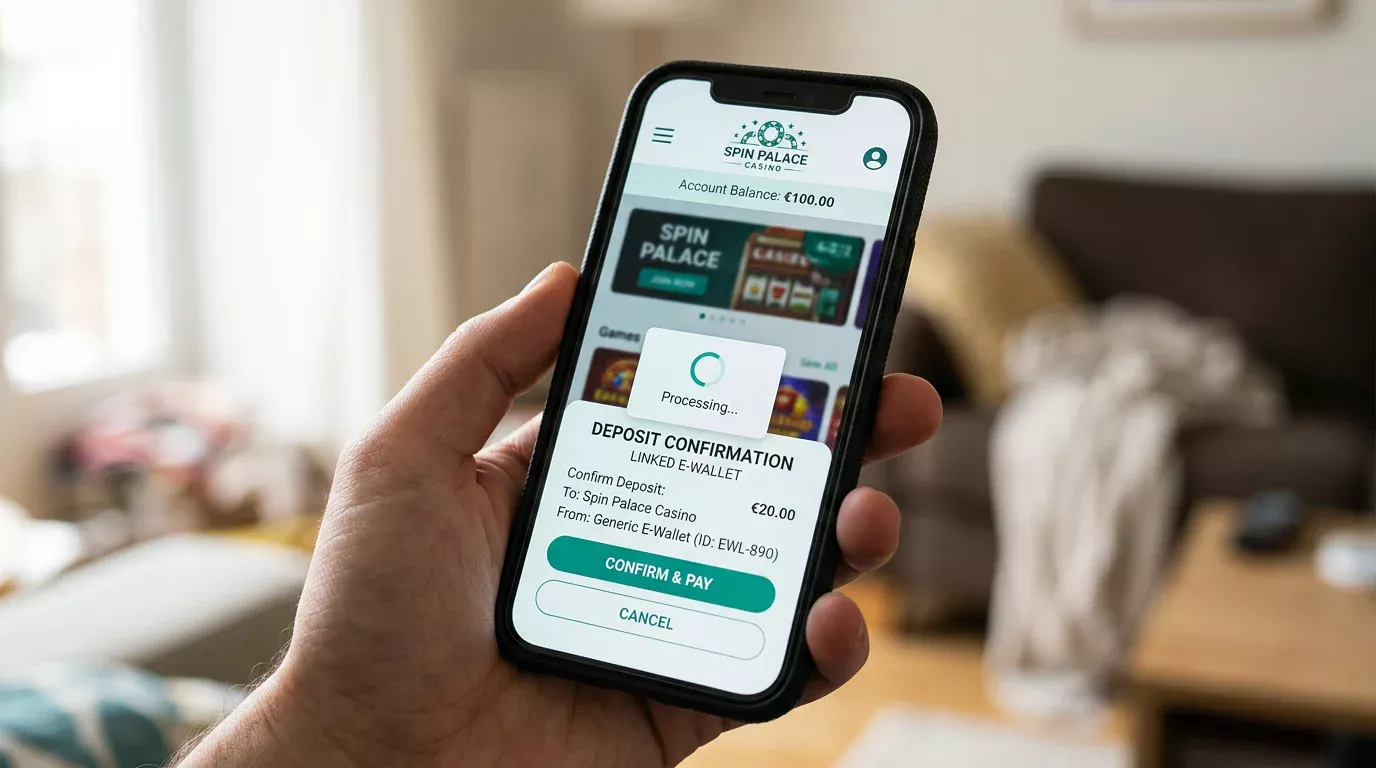
The standard flow looks like this. You tap “deposit” in the casino’s mobile site or app. You select Payz. The cashier displays a redirect or in-app browser pointing to a PSI-Pay confirmation page. The Payz app, if installed and signed in, intercepts the redirect and surfaces a confirmation prompt locally. You confirm with biometric authentication. The Payz app posts the authorisation back to the casino, the cashier updates your balance, and you are returned to the lobby. On a good integration the whole flow takes 15 to 30 seconds; on a poor one it stretches to two minutes with multiple page reloads.
The scale of mobile wallet adoption explains why operators bother optimising this flow at all. Global mobile wallet users are expected to grow from 2.7 billion to 4.8 billion by 2025, reaching over half the world’s population — a curve the UK is part of, not an exception to. UK casinos that lag on mobile cashier UX lose share to those that do not, and the integration quality is now one of the things experienced players notice within the first session.
Two configurations cause persistent problems on mobile. The first is having the Payz app signed out when you start the cashier flow — the redirect either fails or forces you into a browser login, which on some devices breaks the return path back to the casino. Open the Payz app once before you start, confirm you are logged in, and the redirect handoff usually works. The second is having multiple casino sessions open in different mobile browsers; the Payz authorisation sometimes returns to the wrong session, and the cashier on the right session shows the deposit as failed when it actually succeeded.
Biometrics, Touch ID, and Where They Fit
Biometric authentication is the single largest UX win in the Payz mobile experience, and it is also where the security model is at its strongest. Face ID and Touch ID on iOS, fingerprint and face unlock on Android, all work as a possession-and-inherence factor — the casino has confirmed you hold the device, and the device has confirmed you are the registered user.
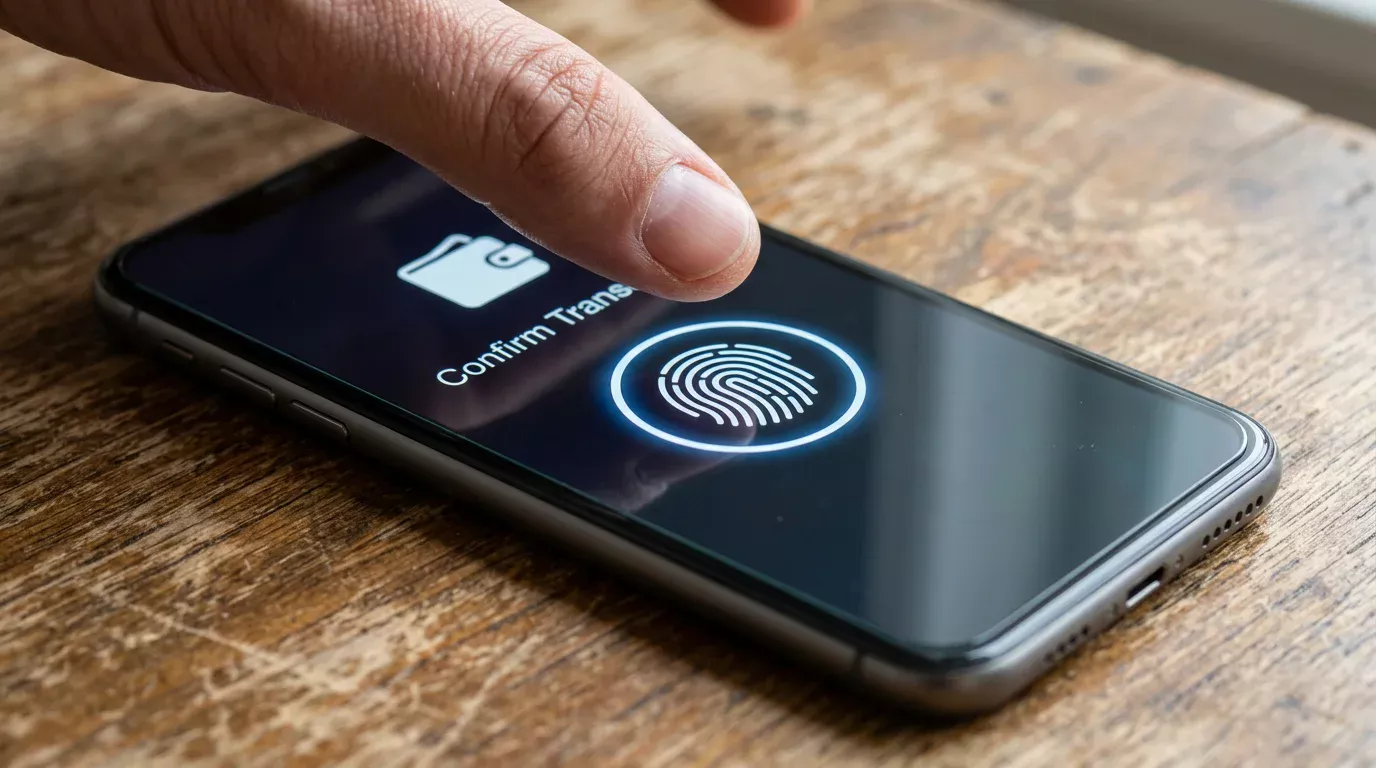
The Payz biometric layer sits inside the app, not at the operating-system level. That means a Payz transaction confirmed by biometric still goes through PSI-Pay’s authentication backend; the fingerprint is the gate to your local app session, not a substitute for the 2FA layer at the wallet level. If you have 2FA configured on the Payz account, you will still see a code prompt for high-risk actions like a new device login, a withdrawal to a new beneficiary, or a balance transfer to another Payz user. Biometric does not bypass these.
The integration with casino apps is uneven. Some operators have implemented biometric confirmation natively, where Face ID directly authorises a Payz deposit without surfacing the Payz app at all. Others bounce you to Payz for every transaction. The native integrations are smoother but require more trust in the operator’s handling of session tokens; the Payz-app bounce is slightly slower but keeps the authorisation visibly in your hands. I prefer the bounce for any deposit above a few pounds.
Recovery matters as much as authentication. If your biometric fails — wet finger, glasses on, face mask — the Payz app falls back to a PIN or password, and from there to a recovery flow involving email verification or SMS. If your device is lost or stolen, the Payz web portal can revoke the device’s trust, but only if you have access to a second-factor channel. Configure the second factor before you need it; I cover the mechanics in my walk-through of ecoPayz 2FA at online casinos.
The Ad and Content Risks That Come With Mobile
Mobile gambling raises a set of risks that desktop play does not. Push notifications, social media ads, and in-app banners are designed to interrupt; on a phone, they intrude into contexts where you may not have chosen to think about gambling. The UK regulator and harm-reduction bodies have been watching this for several years.
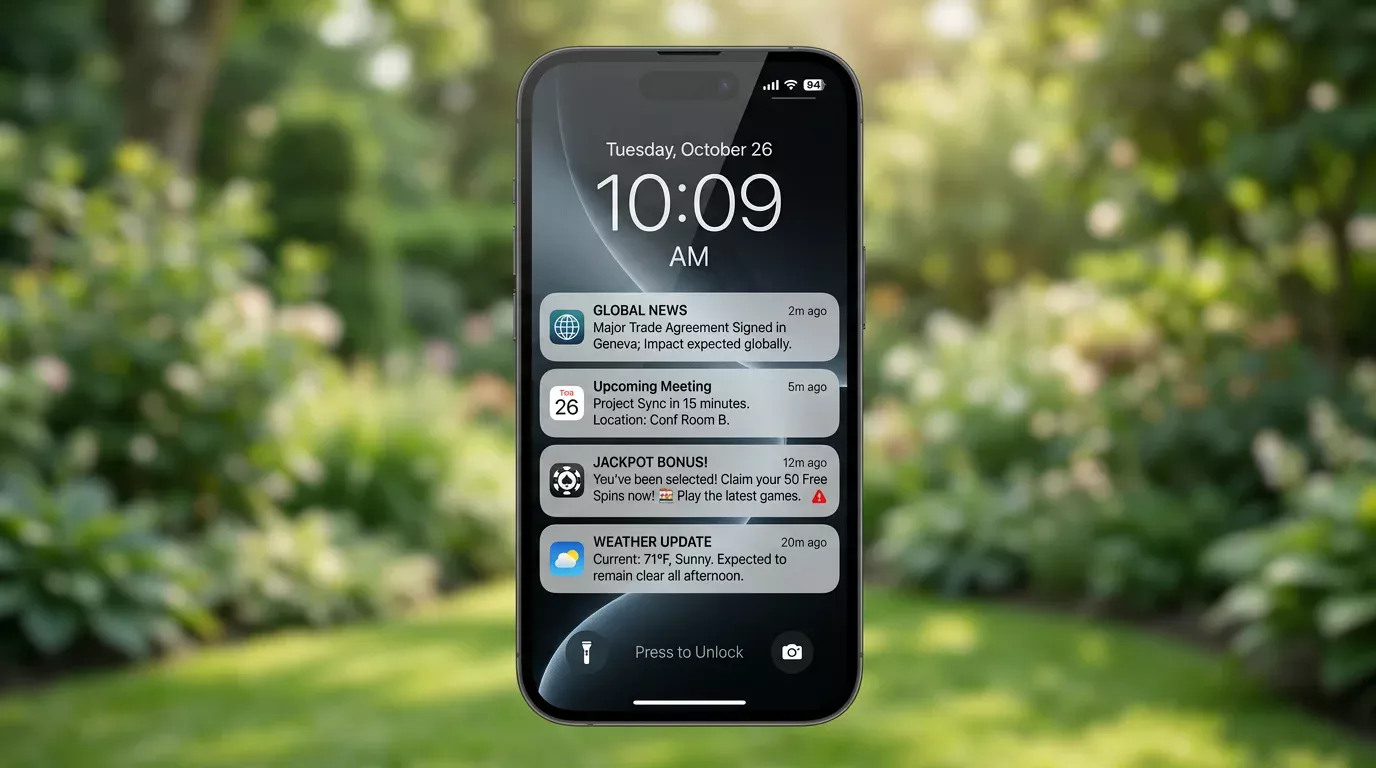
Anna Hargrave, then Transition CEO of GambleAware, framed the issue plainly in late 2025: “The current regulations covering gambling marketing and advertising online were designed before most children had easy access to the internet. Urgent action is needed to update these rules and bring them into the digital age to help keep children and young people safe from gambling harm.” The rules have not caught up; the mobile environment in which Payz operates is more permissive about gambling-adjacent advertising than the regulator would like, particularly on platforms whose algorithms surface content based on engagement rather than age-gating.
The Payz app itself is not the source of these ads. But the cashier flow on mobile often takes you through web pages that carry operator-controlled promotional content, and the boundary between “payment confirmation page” and “marketing surface” is thinner than on desktop. Two practical defences. First, disable casino-app push notifications unless you actively want them; the cost of missing a withdrawal confirmation is lower than the cost of being prompted to deposit during a vulnerable moment. Second, use the operator’s responsible-gambling tools to set a daily deposit limit that triggers regardless of cashier surface — the limit binds the Payz rail as tightly as it binds a card rail.
A note on session continuity. Casino apps and Payz apps both refresh their session tokens regularly, and a long pause between deposit and play can force you to re-authenticate. Treat the mobile session as time-bounded; if you have not played for an hour, expect to re-authenticate. The friction is small and the security benefit real.
Created by the "Paylobby" editorial team.