
Corporate Changes: ecoPayz to Payz Rebrand Details
 Available in GB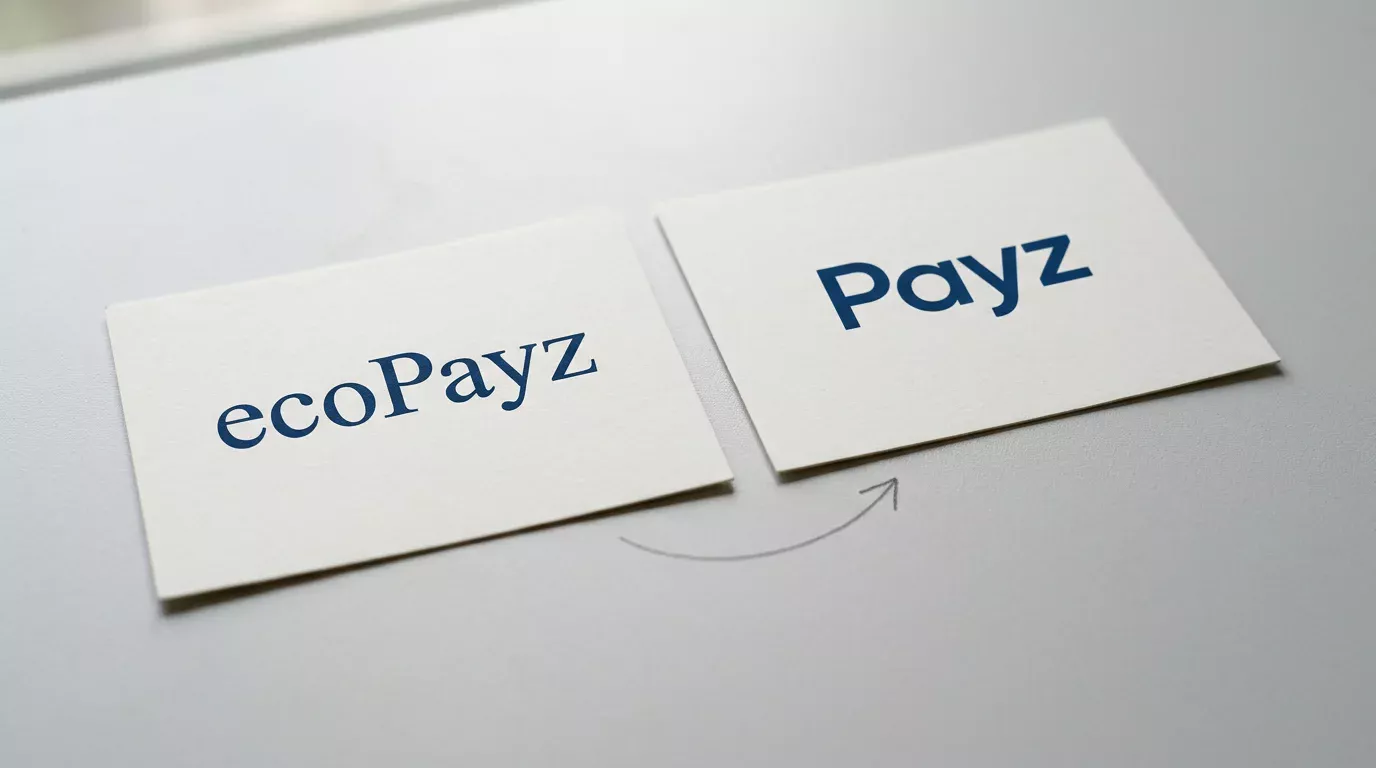
The ecoPayz to Payz rebrand in May 2023 was, in regulatory terms, the smallest event imaginable. The legal entity behind the wallet — PSI-Pay Ltd — did not change. The FCA authorisation did not change. The Financial Services Compensation Scheme position did not change. What changed was the consumer-facing name, the logo, the colour palette, and the trading style. In practice, that was enough to confuse a meaningful slice of the UK casino-playing population for the better part of a year.
I still get emails from readers who think Payz is a “new” e-wallet, and from operators who carry both names in their cashier menus because they never finished the transition. The rebrand is a useful case study in how brand changes ripple through regulated cashier environments — slowly, unevenly, and with persistent traces that take years to clear. Let me walk through what actually changed, what stayed the same, and how UK casinos handle the inheritance.
Historical Operational Timeline From 2000 to 2026
The wallet’s history goes back to 2000, when PSI-Pay Ltd began trading as ecoCard, a prepaid card product aimed at the early online economy. ecoCard evolved into ecoPayz in the late 2000s as the e-wallet model overtook the prepaid card model, and ecoPayz operated under that name for more than a decade. The May 2023 rebrand to Payz was a single-step name change accompanied by a logo refresh and a marketing pivot toward digital wallet positioning. PSI-Pay Ltd remained the operating company throughout.
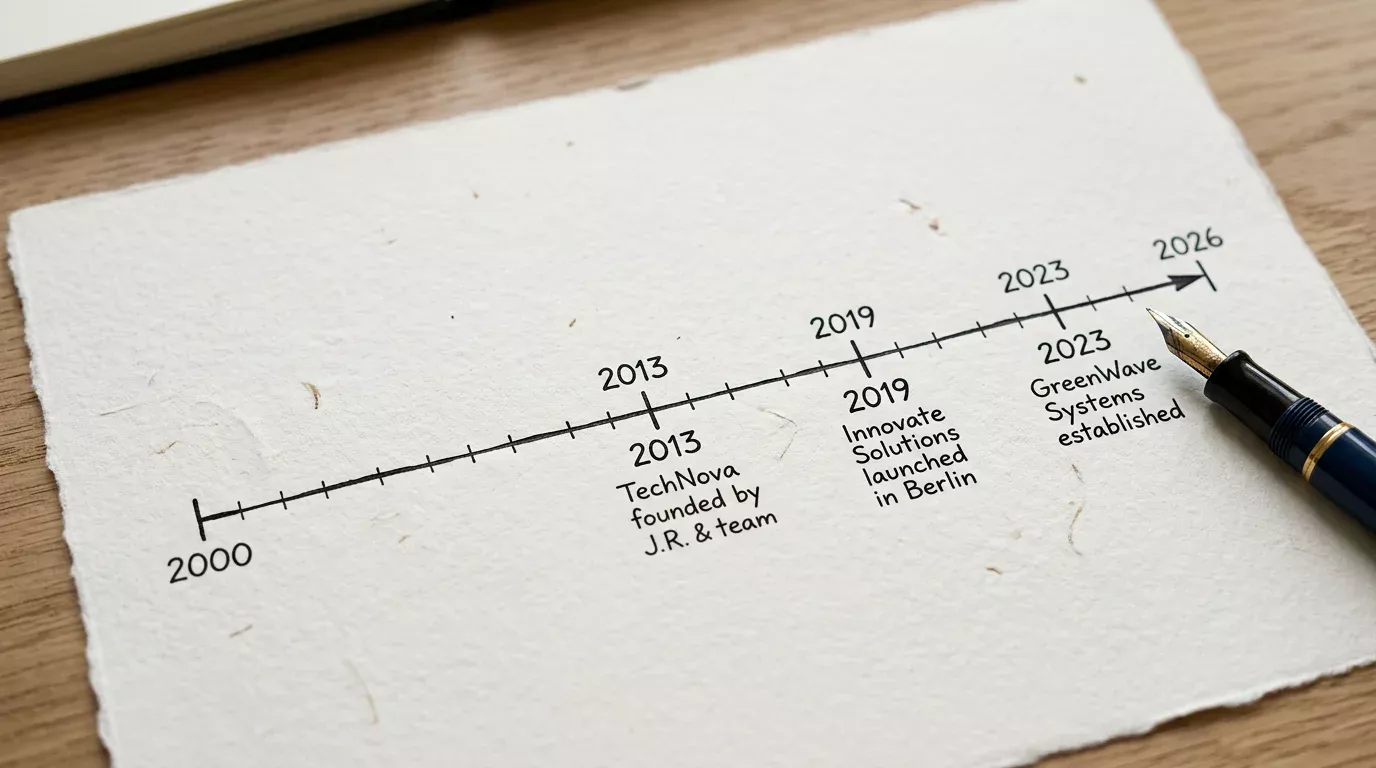
By 2026 the wallet operates in 174 countries and serves a payments ecosystem that has been transformed by the rise of mobile wallets — around 42% of UK adults are registered on a mobile wallet by the end of 2023, and that figure has continued to climb. The rebrand was, in part, an acknowledgement that the “eco” prefix carried the wrong cultural associations in 2023 — it suggested environmental positioning rather than payments — and that a cleaner name would compete better against Skrill, Neteller, and the platform wallets.
The eco-Card product, distinct from the wallet, was retired separately. The eco-Card prepaid physical card had been a peripheral part of the ecoPayz proposition for years and was discontinued as part of the broader simplification. The eco-Virtualcard, generated from inside the wallet, continues to operate under Payz branding and is the surviving prepaid product.
The regulatory thread through all of this is consistency. As Andrew Rhodes, the UKGC’s Chief Executive, framed the broader regulatory direction at Safer Gambling Week in 2025: “Collaboration and evidence-based action remain central to making gambling in Great Britain fairer, safer and crime-free.” Rebrands do not change that direction. A wallet that was compliant with FCA e-money rules before the rebrand remains compliant after it, and a UKGC-licensed operator’s obligations to verify Payz transactions are identical to its obligations under the ecoPayz name.
What Actually Changed and What Did Not
The list of unchanged items is longer than the list of changed ones. Your account number is the same. Your verification documents on file are the same. Your tier is the same. Your transaction history is the same. Your linked bank accounts and cards are the same. Your login credentials are the same. The currencies you hold are the same. The fees on your tier are the same. PSI-Pay Ltd’s FCA register entry is the same.

What changed is the branding layer. The wallet’s website redirected from ecopayz.com to payz.com. The mobile app’s icon and store listing updated. The cashier integrations at casinos and other merchants began transitioning the displayed name from “ecoPayz” to “Payz” — a transition that took, in some cases, well over a year. Customer communications shifted to “Payz” branding immediately for new messages but continued to reference ecoPayz in legacy templates for months.
The merchant descriptor on bank statements — what your bank sees when you top up the wallet — was one of the last items to transition. PSI-Pay Ltd remained the legal name on the descriptor throughout, but the appended trading style updated from “ecoPayz” to “Payz” at various points across 2023 and 2024 depending on the issuing bank’s update cycle. UK card holders may still occasionally see ecoPayz on older recurring authorisations.

What also did not change was the consumer protection position. The wallet operates as an authorised electronic money institution under FCA supervision. The balance you hold is safeguarded under e-money rules, which require PSI-Pay to ringfence customer funds from corporate funds. Importantly, this is not the same protection as a UK bank account would offer — there is no FSCS coverage for e-money — but the safeguarding regime that does apply is unchanged from the ecoPayz era.
How UK Casino Cashiers Handle the Labelling
Walk through ten UKGC-licensed cashiers in 2026 and you will see at least three different conventions for the wallet name. Some operators show “Payz” as the only label. Some show “Payz (formerly ecoPayz)” for SEO and recognition reasons. A few still show “ecoPayz” in the cashier line item while showing “Payz” in the modal that opens when you select it. None of these is wrong, all of them are confusing, and the inconsistency is purely cosmetic.
What you select at the cashier — under whichever name — routes to PSI-Pay Ltd through the same integration. The wallet does not care which label the operator used. Your deposit lands the same way, your transaction reference looks the same, and your withdrawal returns to the same balance. The labelling inconsistency is the operator’s problem, not yours.
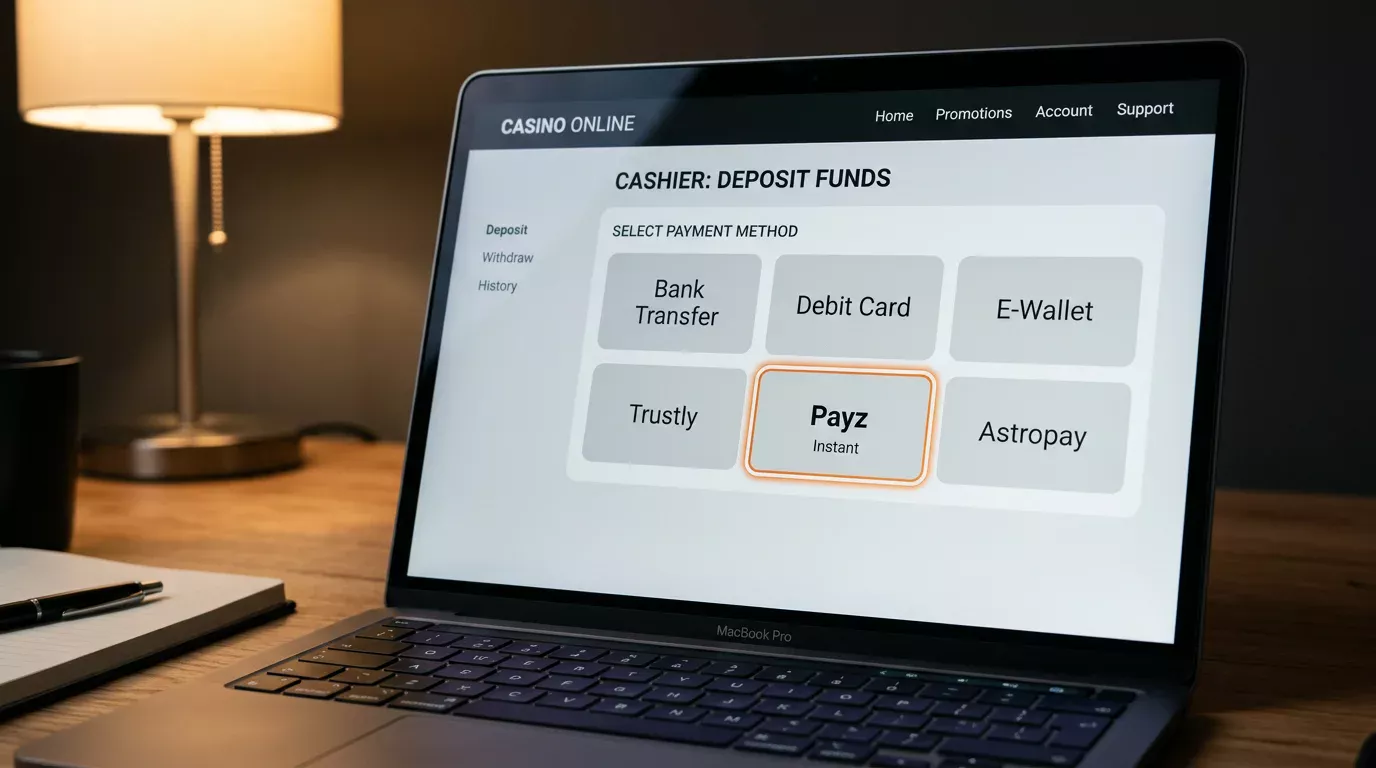
One operational note. If a cashier still shows the ecoPayz label, double-check the operator’s licence status on the UKGC register. Licensed operators have, by 2026, almost universally updated to Payz branding; persistent ecoPayz labelling is more common on smaller or less actively maintained operators. The branding lag itself is not a regulatory red flag, but it can indicate an operator with weaker engineering throughput, which sometimes correlates with slower withdrawal processing and patchy customer support.
If you are evaluating which Payz account tier suits your play style — including how the tier interacts with cashier behaviour at operators that still carry mixed branding — my walk-through of ecoPayz tiers for UK casino play goes into the operational detail.
Legacy ecoPayz Accounts in the Payz Era
If you opened an ecoPayz account before May 2023, it became a Payz account automatically at the rebrand. You did not need to re-register, re-verify, or re-confirm anything. Your existing credentials continued to work. Your tier did not reset. Your balance was unaffected. The transition was administrative and silent.
Two practical loose ends from the rebrand still surface occasionally. The first is the password reset and recovery flow. Some legacy accounts were registered with email addresses that have since been abandoned, and the recovery flow requires access to the registered email. If you have not logged into a legacy ecoPayz account since before the rebrand, check that you still have access to the registered email before trying to log in — PSI-Pay’s customer support can help with email changes but the process takes days, not minutes.

The second is documentation. If your verification documents on file were captured under ecoPayz, they remain valid under Payz, but PSI-Pay periodically requests re-verification for active accounts. The re-verification looks similar to original onboarding and is not a sign that your account has been flagged — it is part of the wallet’s ongoing AML compliance. Treat the request as routine.
One last point on identity. If a UK casino’s KYC asks you to confirm whether your wallet is “ecoPayz” or “Payz”, the answer is Payz. The operator’s form may not have been updated, but the wallet you hold is a Payz wallet operated by PSI-Pay Ltd, and that is the answer the operator’s risk engine ultimately processes. Confirming “ecoPayz” on a form does not invalidate the transaction, but using current branding keeps the audit trail clean.
Created by the "Paylobby" editorial team.