
Risk-Free Promos: ecoPayz No Deposit Bonus Offers in the UK
 Available in GB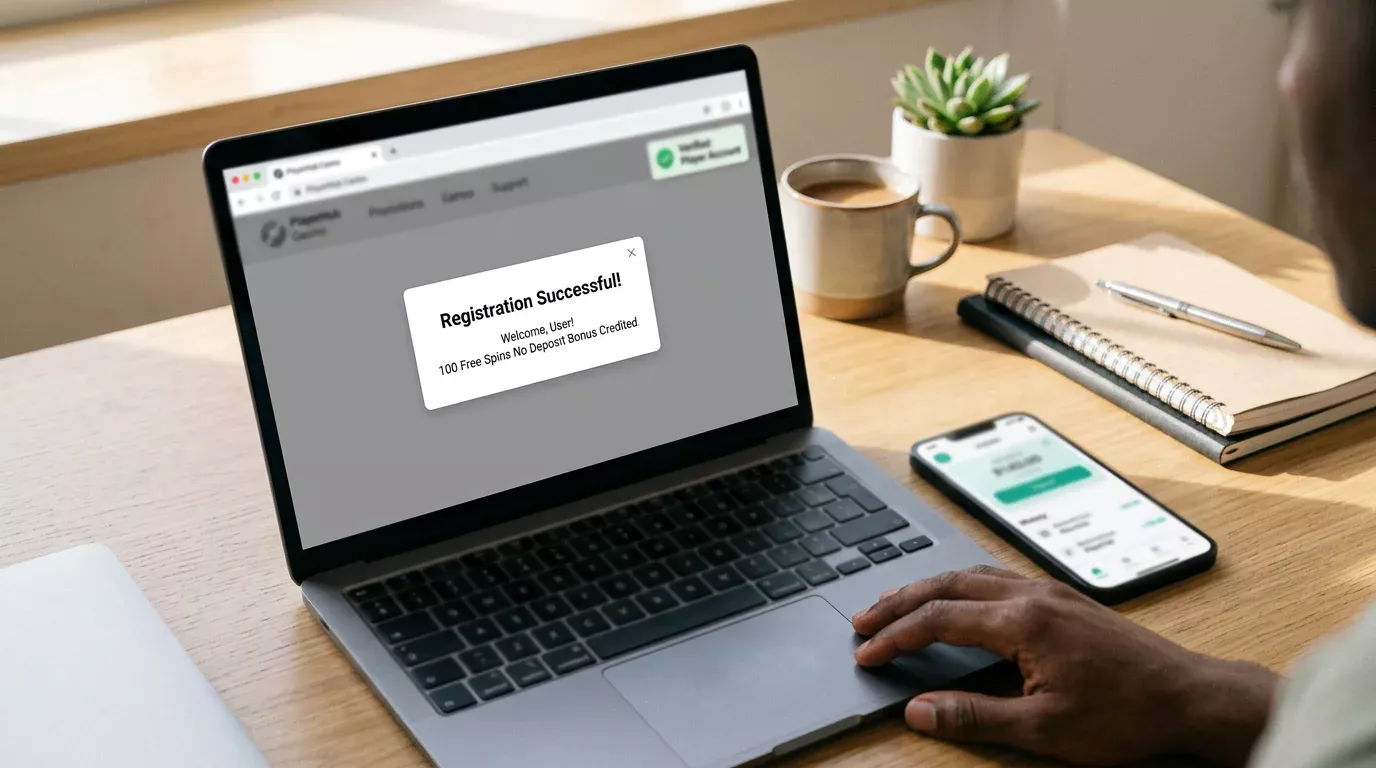
I treat the phrase “no deposit bonus” with the same wariness I treat “lifetime warranty” on a £20 kettle. It does exist; it almost never means what the reader thinks it means. In the UK, a genuine no-deposit offer is a small wager-free or low-wager incentive aimed at converting a registered account into an active one. It is not a route to free money, and the Payz wallet plays a surprisingly small role in the deposit half of the equation.
Where Payz becomes relevant is on the way out. Many UK no-deposit offers require a minimum real-money deposit before any winnings can be withdrawn, and Payz is one of the methods the cashier expects to see at that moment. So the practical question is not “which UK casinos give me a Payz no deposit bonus” but “what does the small print actually do when I try to withdraw the winnings to my Payz wallet”. Let me walk through the realistic picture.
Payz Integration within Initial Player Acquisition Structures
The UKGC’s most recent annual report counted 24.4 million active online gambling accounts at the end of its 2024–2025 reporting period, with 34 million new registrations in the year. Those numbers explain the no-deposit offer better than any marketing page does: operators are spending acquisition pounds on registrations, and the no-deposit bonus is the conversion mechanic that turns a dormant signup into a logged-in player. Your funding method is irrelevant to that conversion, which is why Payz rarely appears in the no-deposit qualification clause.
The typical journey looks like this. You register, you verify your email and identity, you receive a small wager-free or low-wager package — commonly between 5 and 20 free spins, occasionally £5 to £10 in site credit. No deposit has touched the cashier yet, so no payment method has been selected. The bonus lands in a bonus balance bucket, the spins land on a single named slot, and the clock starts ticking on whatever expiry the operator has set.
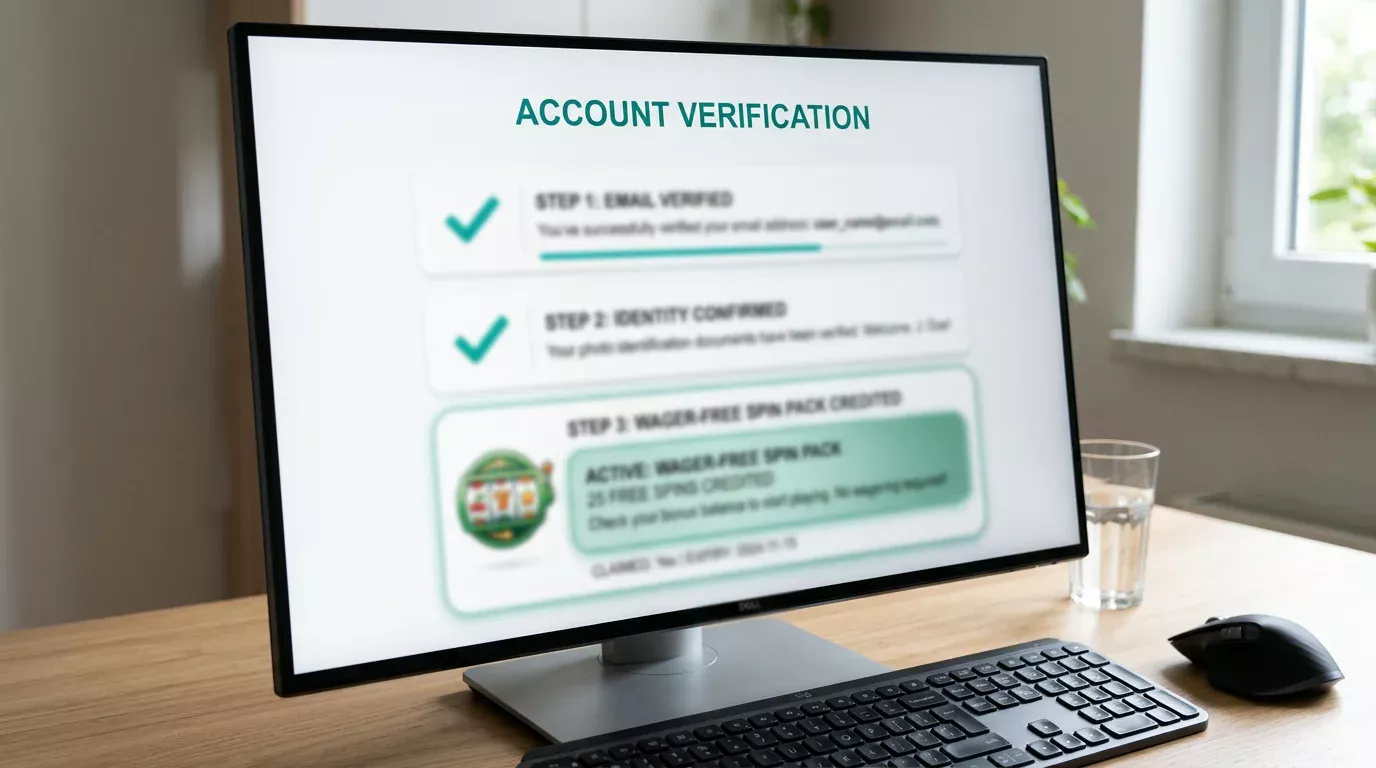
What I want you to notice is that the Payz wallet was not part of the trigger. You did not have to link it, fund it, or even open a Payz account. That has two consequences worth holding onto. First, no operator is realistically offering a “Payz exclusive” no-deposit bonus — anyone who advertises that is using the wallet name to grab search traffic, not to mark a real exclusivity tier. Second, the no-deposit promotion does not contradict the welcome-bonus exclusion pattern I discussed in the Payz bonus eligibility piece; e-wallet exclusion lives in the deposit-required offers, not in the no-deposit tier.
The Withdrawal Side, Where Payz Actually Matters
The mechanic that makes most no-deposit offers feel sour is the withdrawal gate. Almost every UK casino that hands you spins or credit without a deposit will require a verified real-money deposit before any winnings can leave the bonus balance. The legal reason is anti-money-laundering: the regulator wants the operator to know who you are and to have a verified funding rail before money flows out. The commercial reason is conversion: the bonus has done its job only if you make a deposit.
Here is where Payz earns its place in the conversation. The “qualifying deposit” clause usually accepts any cashier-supported method, and Payz qualifies in most cases. So a typical chain looks like this: register, claim 10 wager-free spins on a named slot, win £4.20 from those spins, watch the cashier mark that £4.20 as “withdrawable pending verification”, deposit £10 by Payz, complete identity verification if you have not already, and then request the £4.20 withdrawal back to your Payz wallet.
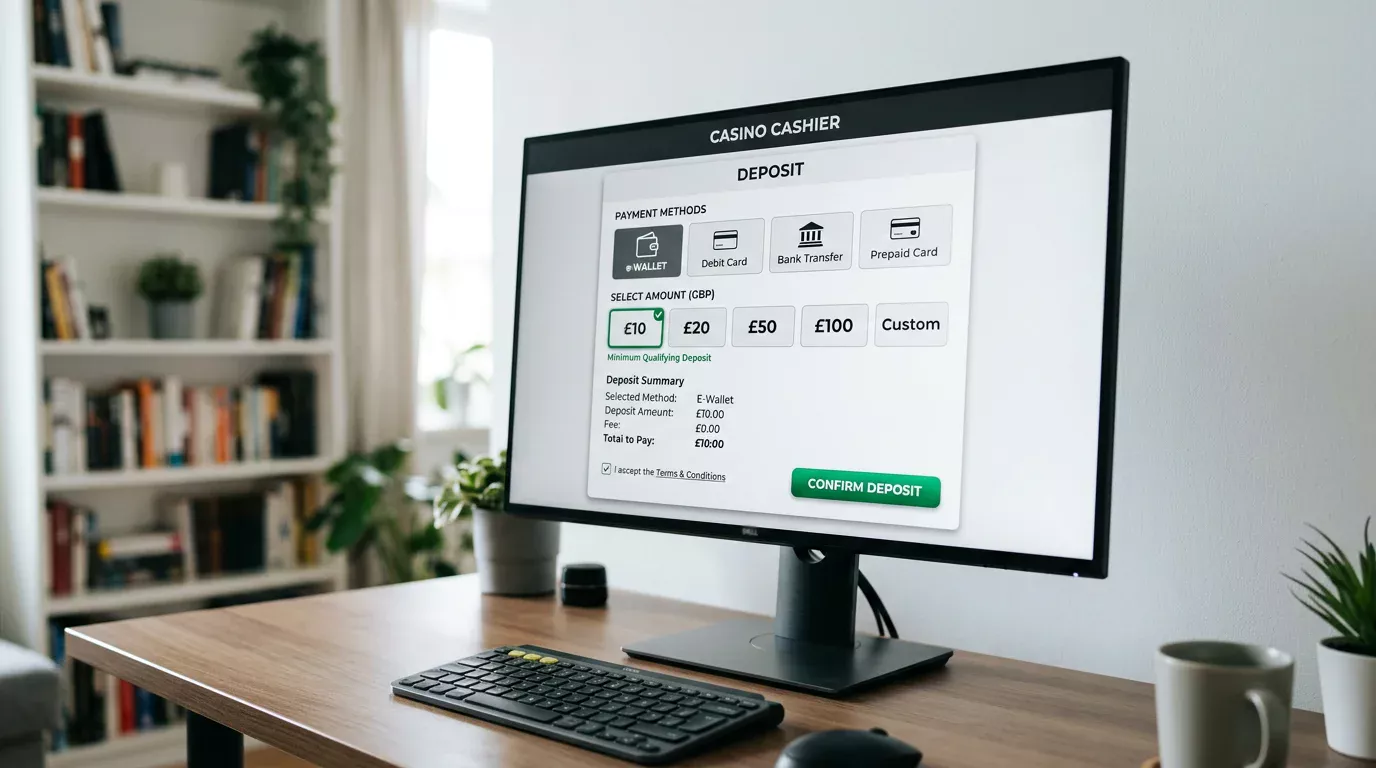
The number that matters in this flow is the active monthly slot account. The UKGC reported the monthly average active accounts on online slots at 4.6 million in the quarter ending December 2025, up 5% year on year. That is the population running through the no-deposit-to-real-money funnel, and the cashier-side friction is the same for all of them. Payz processes the £10 deposit at the same speed and on the same KYC track as Skrill or a debit card; the verification is the binding constraint, not the wallet.
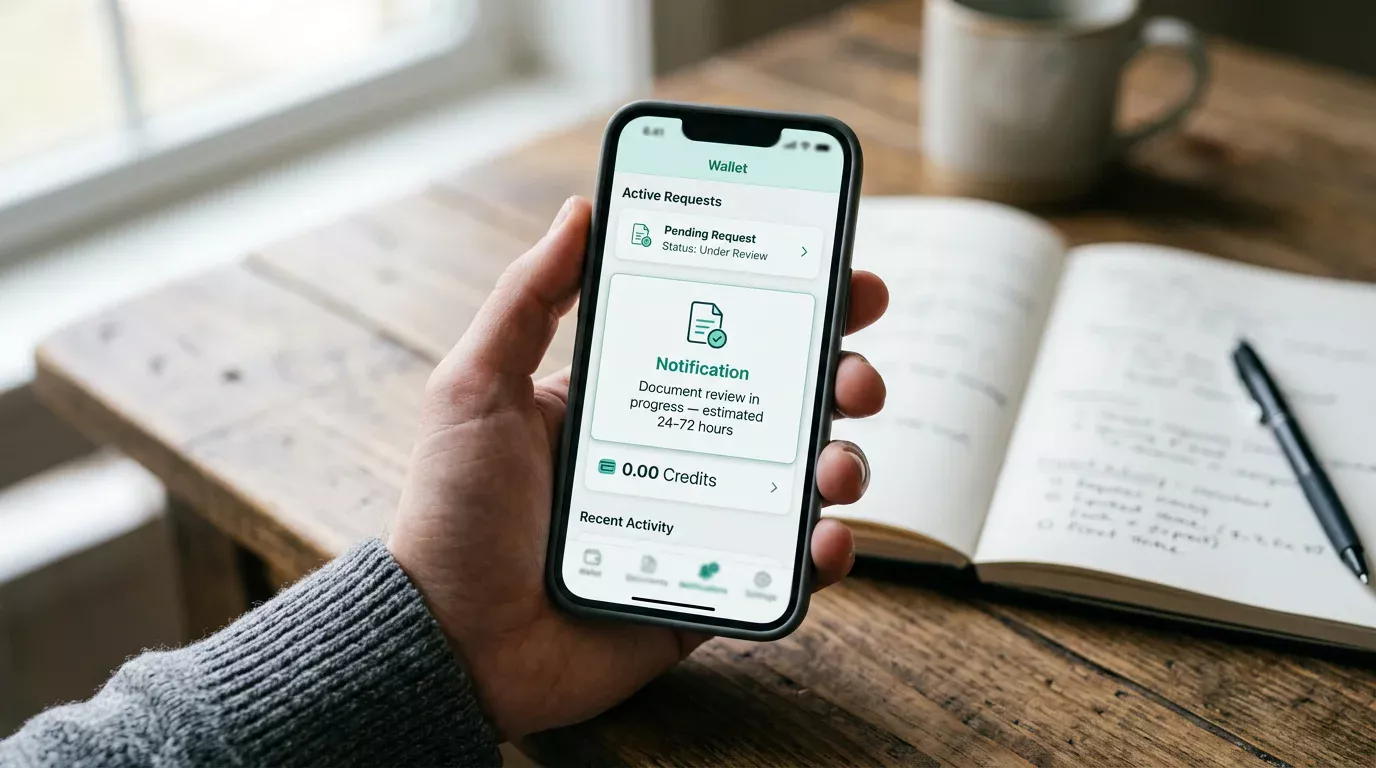
One subtle wrinkle. Some operators require the qualifying deposit to be made before the no-deposit winnings expire — a 24 or 48 hour window is common. If your Payz account is new, allow time for PSI-Pay verification before you assume the deposit will land instantly. I have seen readers lose £30 in spin winnings to a Sunday evening expiry because their Payz wallet was still in document review.
The UKGC Rules That Quietly Shape Every No-Deposit Offer
UK no-deposit offers do not exist in a regulatory vacuum, and three rule sets touch them. The first is the licensing condition that bans misleading advertising — the bonus terms must be presented clearly enough that a reasonable consumer can understand them before claiming. Operators failing this test have been fined repeatedly. The practical consequence for a Payz user is that the operator must spell out any payment-method or verification clause that affects withdrawals; if it is buried in 8-point grey type, that is a regulatory issue, not just a reader problem.

The second is the prohibition on offers that incentivise loss-chasing or extended play beyond a reasonable session. This is why “free spins” rarely come with high stake values per spin, and why win caps are common — typically £50 or £100. A no-deposit bonus that promised “unlimited play until you lose” would not pass the operator’s compliance review.
The third, which most readers do not know about, is the affordability check infrastructure that came into force on 28 February 2025. The financial vulnerability threshold dropped from £500 to £150 of cumulative monthly deposits, and the public-data check that follows is meant to be frictionless for the vast majority of players. A no-deposit bonus winning withdrawn to Payz does not trigger this check by itself; the qualifying real-money deposit might, if it pushes you past the threshold in a 30-day window. Worth knowing if you are chasing several no-deposit offers in a month.
Red Flags Before You Chase a No-Deposit Payz Offer
I have a short list of warning signs I use when a reader sends me a screenshot. Take any one of them seriously, and walk away from any two.

Sign one is a no-deposit win cap below £20 with wagering above 40x. The maths is unwinnable in practice, and the offer exists to harvest verified accounts rather than to pay anyone out. Sign two is a payment method clause that excludes “all e-wallets including Payz” from withdrawals — meaning your bonus winnings can be deposited into your real-money balance but can only be withdrawn to a debit card, forcing you to add a card you may not have wanted to link.
Sign three is a maximum bet clause set unreasonably low — £0.20 per spin during bonus play is common, and exceeding it voids the winnings retroactively. Sign four is an exclusivity claim that ties the bonus to a wallet brand. There is no UKGC-licensed operator running an offer that is genuinely “Payz only” — the cashier menu is built to accept multiple rails, and singling one out is a marketing flourish, not a real condition.
Sign five is the affiliate redirect trick. If you reach the no-deposit page via a referral link that requires a code, and the code fails after registration, that almost always means the offer was promoted with terms different from the operator’s live T&Cs. Screenshot everything before you click, and check whether the same offer appears on the operator’s own promotions page when accessed directly. For comparison with offers that come with a deposit instead — the more common pattern in the UK — I have a separate walk-through in my guide to Payz casinos with free spins.
The realistic verdict on Payz no-deposit offers in the UK: they exist, they are small, and the wallet matters more on the withdrawal side than the deposit side. If you go in expecting a £2 to £8 windfall after a £10 verifying deposit, you will be roughly correctly calibrated. If you go in expecting “free £50 with Payz”, you have read the marketing copy, not the terms.
Prepared by the Paylobby editorial staff.