
Slot Promos: Payz Casinos with Free Spins for UK Players
 Available in GB
The first thing I tell anyone asking about free spins through a Payz wallet is that the wallet is rarely the variable that matters. The eligibility, the value cap, the wagering, the slot list — all of it is decided long before you select a payment method. Payz is the rail that delivers your qualifying deposit and, later, your withdrawal. What you actually want to know is whether the offer is worth claiming in the first place, and that question lives in the spin mechanics, not the cashier.
UK online slots are the largest single product in the regulated market. The quarter ending December 2025 saw online slots GGY hit £788 million, up 10% year on year and the third quarterly peak in a row despite the new stake limits. That growth is exactly why free-spin promotions remain the dominant acquisition tool — the operators are competing for share of a still-expanding pie. Let me walk through what that means for someone funding their balance through Payz.
Mechanisms Separating Spin Allocations from Wallet Funding
Free spins are awarded in three structural ways at UK casinos, and only one of them actually cares which wallet you used. Knowing which is which saves you from chasing offers that were never going to qualify.
The first structure is the deposit-triggered spin pack. You deposit £20, you get 50 spins on a named slot. This is where the e-wallet exclusion clause bites: if the operator’s bonus terms list Payz alongside Skrill and Neteller as excluded methods, your spins do not appear. The wallet is the variable.

The second is the wager-free or low-wager spin pack tied to verification, calendar events, or VIP-tier progression. These trigger on actions other than a deposit, so the funding method is irrelevant. Your Payz wallet is neither qualifying nor disqualifying — it simply does not enter the calculation. The same logic applies to spins handed out as compensation for downtime or as part of a loyalty rebate.
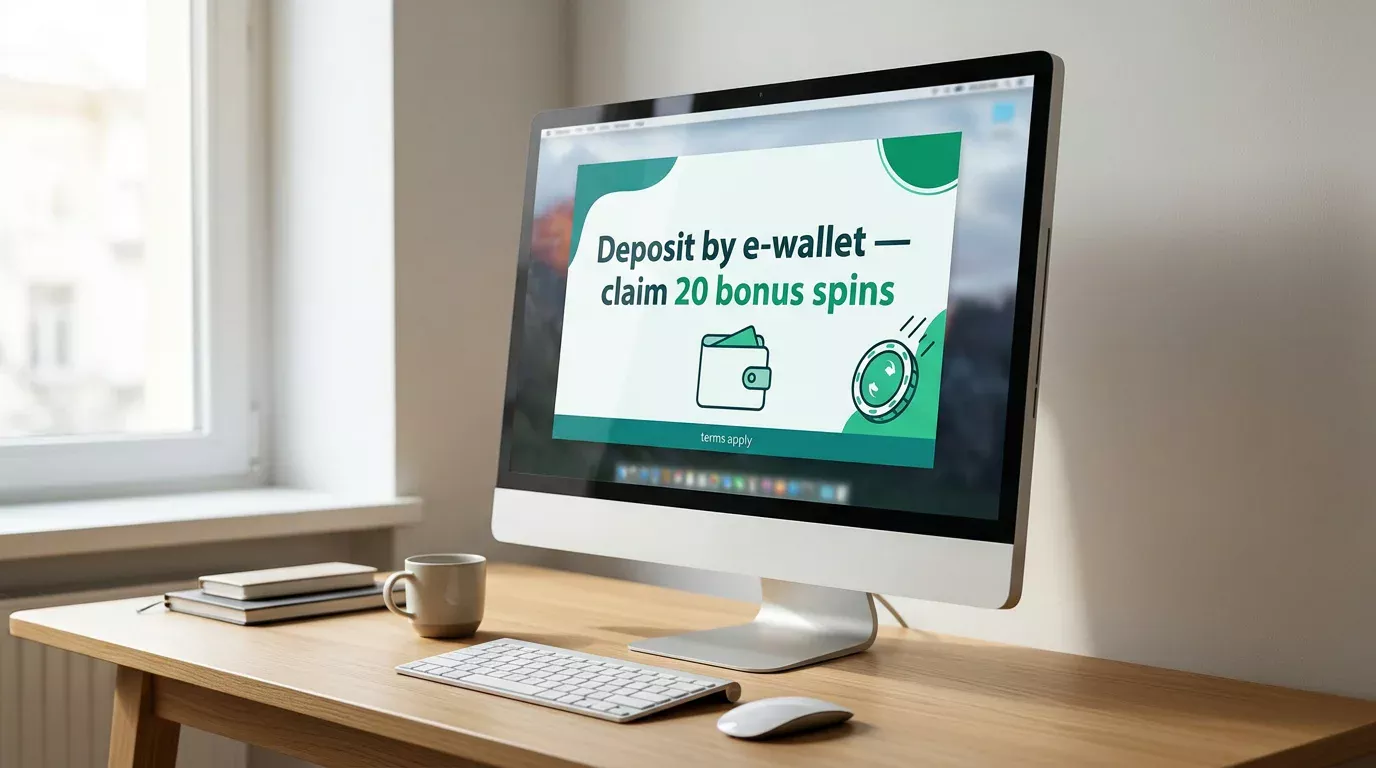
The third, less common in 2026, is the wallet-branded spin offer. An operator may run a “deposit by e-wallet, get 20 bonus spins” mechanic when it is trying to push players away from card rails. These offers do treat Payz as eligible, sometimes explicitly. I have seen this pattern emerge more often since the April 2026 Remote Gaming Duty rise, where operators are quietly experimenting with cheaper-to-process rails. The picture is fluid.
Online casino games — slots, table games, live casino — collectively generated £5.0 billion in GGY in the UKGC’s last full reporting year, with online slots alone accounting for £4.2 billion of that total and the broader Remote Casino, Betting and Bingo category covering 46% of the regulated market. That scale matters because it tells you the spin offers are real revenue tools, not loss leaders. Operators will not give you a meaningful edge through them, and any offer that looks too generous almost always has a clause that closes the gap.
Spin Value Caps and What Payz Cannot Change
The single number that determines whether a spin offer is worth your time is the spin value, not the spin count. A pack of 100 spins at £0.10 each is £10 of theoretical value at the slot’s RTP. A pack of 20 spins at £1.00 each is £20. The deposit method has zero influence here, but the cap is what most readers miss when they compare offers.
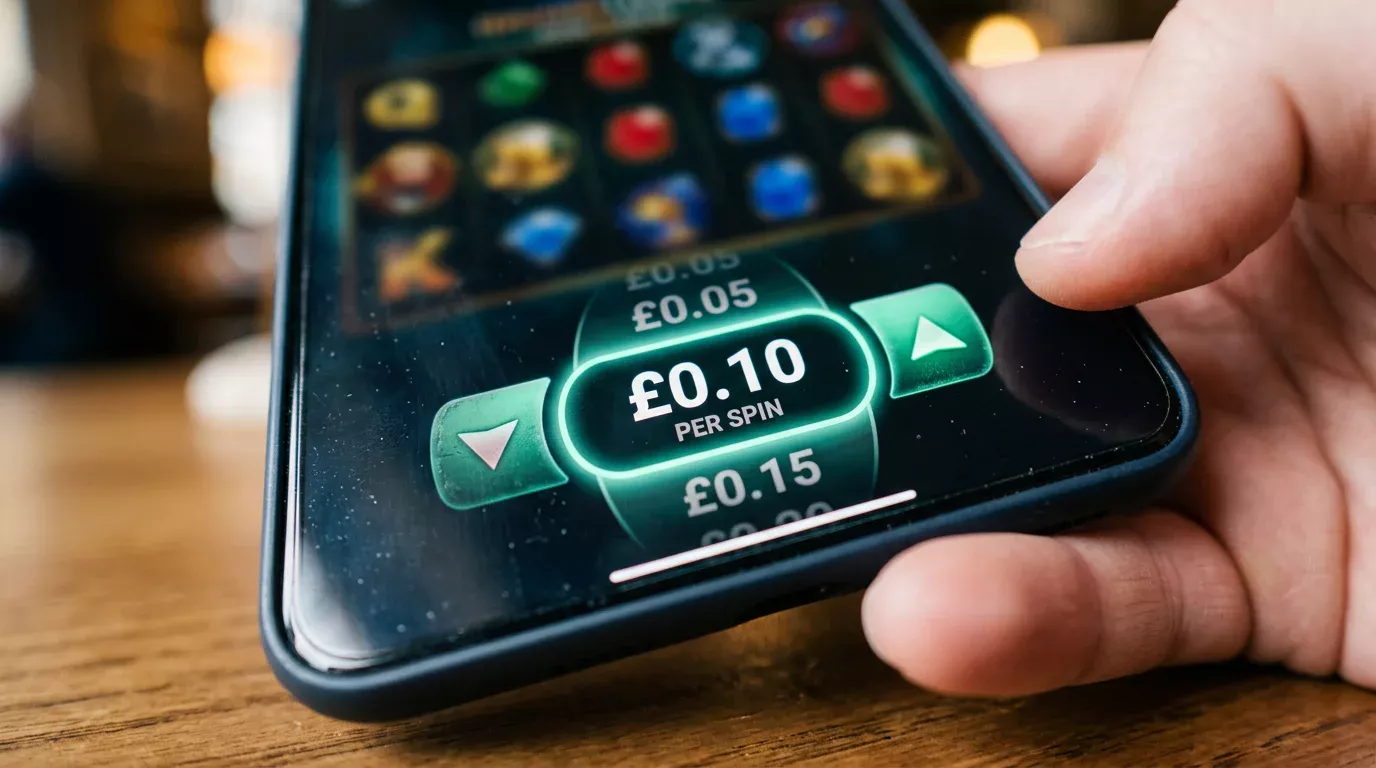
Operators set the per-spin value low for one reason: to constrain bonus exposure under the £5 per-spin stake limit that has applied to all UK adult slot play since 9 April 2025, and the £2 cap that applies to players aged 18 to 24 since 21 May 2025. The regulatory ceiling does not directly cap spin offers, but it shapes the operator’s risk model — they are unlikely to give a free spin worth more than the lowest stake their player base routinely uses.
Where Payz becomes operationally relevant is when the spin winnings convert to a withdrawable balance. The conversion ratio is usually 1:1 from winnings to bonus balance, and then the wagering requirement applies to that bonus balance before it can be withdrawn. If your spins won you £15 with 35x wagering, you need to wager £525 of qualifying play before requesting a withdrawal to your Payz wallet. The wallet itself is neutral on the maths; it is the wagering term that does the heavy lifting.
Wager-Free, Locked, and the Practical Difference
“Wager-free” is the phrase that should make you click on an offer. It means the winnings from your spins land directly in real-money balance, withdrawable to Payz as soon as the standard KYC and cashier checks are clear. No 35x. No £50 win cap. No “must be wagered within 7 days”. Just a straight payout, less any per-withdrawal cap the offer specifies.
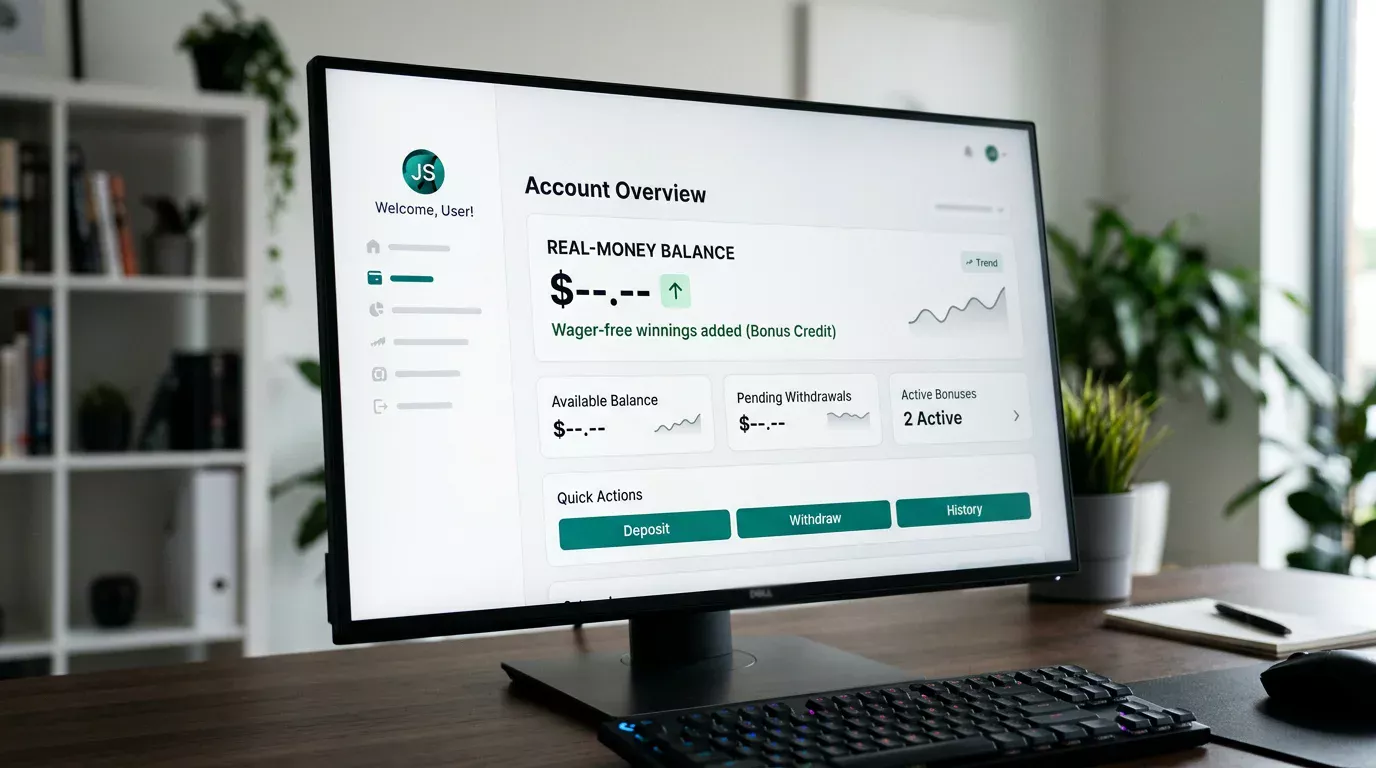
Wager-free offers carry smaller spin packs — typically 10 to 30 spins rather than 100 — because the operator is taking on the full RTP cost. They are also less common than they were three years ago, and the post-April 2026 duty environment is pushing them further toward the margins. When you find one, read it twice to be certain it really is wager-free; some operators use “no wagering on winnings” while still requiring you to wager an associated bonus credit at high multiples.
Locked spins are the opposite end. The winnings are credited to a bonus bucket separate from your real-money balance, subject to a wagering multiplier and often a maximum cashable amount. From a Payz user’s perspective, locked spin winnings are not yet money — they are a probability-weighted claim on a portion of your eventual playthrough. If you treat them as money, you will repeatedly find that the withdrawal request bounces with a “bonus wagering incomplete” message.
The middle ground is the partially-wagering offer, where the spin winnings are wager-free up to a cap (say, £20) but anything above is subject to wagering. These are the offers I actually recommend reading the T&Cs on, because the cap is usually generous enough that most realistic spin sessions stay inside it. The Payz wallet handles the eventual withdrawal exactly as it would handle any other balance.
Claiming Spins With Payz, Step by Step
The mechanical flow is almost identical to any other spin offer, with two Payz-specific notes. First, if the offer requires a qualifying deposit, ensure your Payz balance has enough headroom — a £20 qualifying deposit usually means £20 must clear the cashier, not £20 must be available; the difference matters when your wallet currency is not GBP and conversion is in play. Second, if the offer requires the deposit to be made within a tight window (24 hours of registration is common), do not start the clock until your Payz account has cleared PSI-Pay verification. A new wallet held for document review will not process the qualifying deposit, and the spin offer will time out.
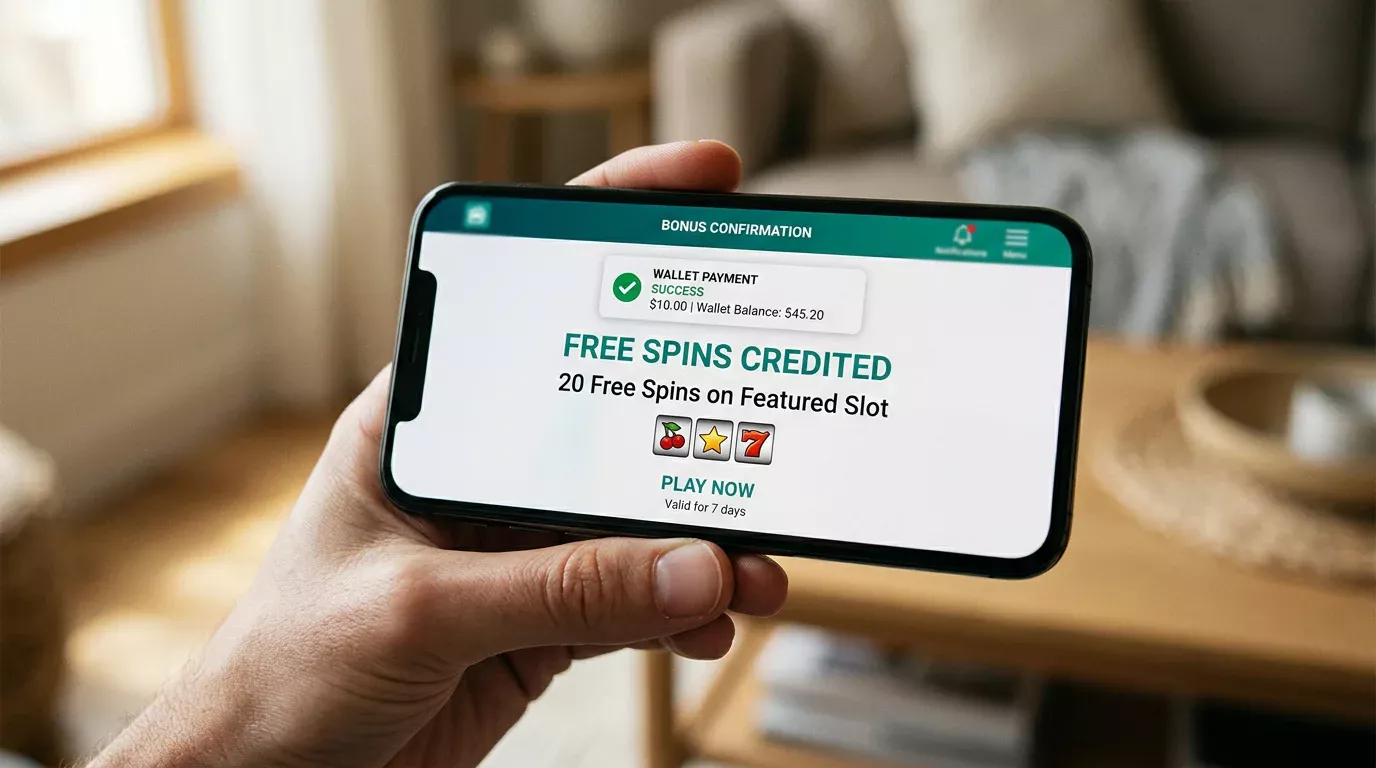
Once the deposit lands, the spins typically appear in your account within minutes for automated triggers, or within a few hours for offers requiring a support adjustment. Click into the eligible slot, play through the spins at whatever stake the offer specifies — the stake is fixed by the operator, you cannot raise or lower it — and watch the winnings post to your bonus balance. From there, the wagering term decides whether your next move is a withdrawal request or another 500 spins of qualifying play.
If you are weighing this kind of deposit-triggered offer against bonuses that come without spins, my guide to ecoPayz casino bonus eligibility goes through the broader e-wallet exclusion picture and which welcome offers Payz can still reach.
Where I see most readers stumble is on the “spins expire in 24 hours” clause. The clock typically starts at the moment of credit, not at the moment you log in. If you collect 50 spins on a Friday night and forget about them until Sunday morning, half are gone. Set a reminder.
Created by the "Paylobby" editorial team.