
Low Limit ecoPayz Minimum Deposit Casinos in the UK
 Available in GB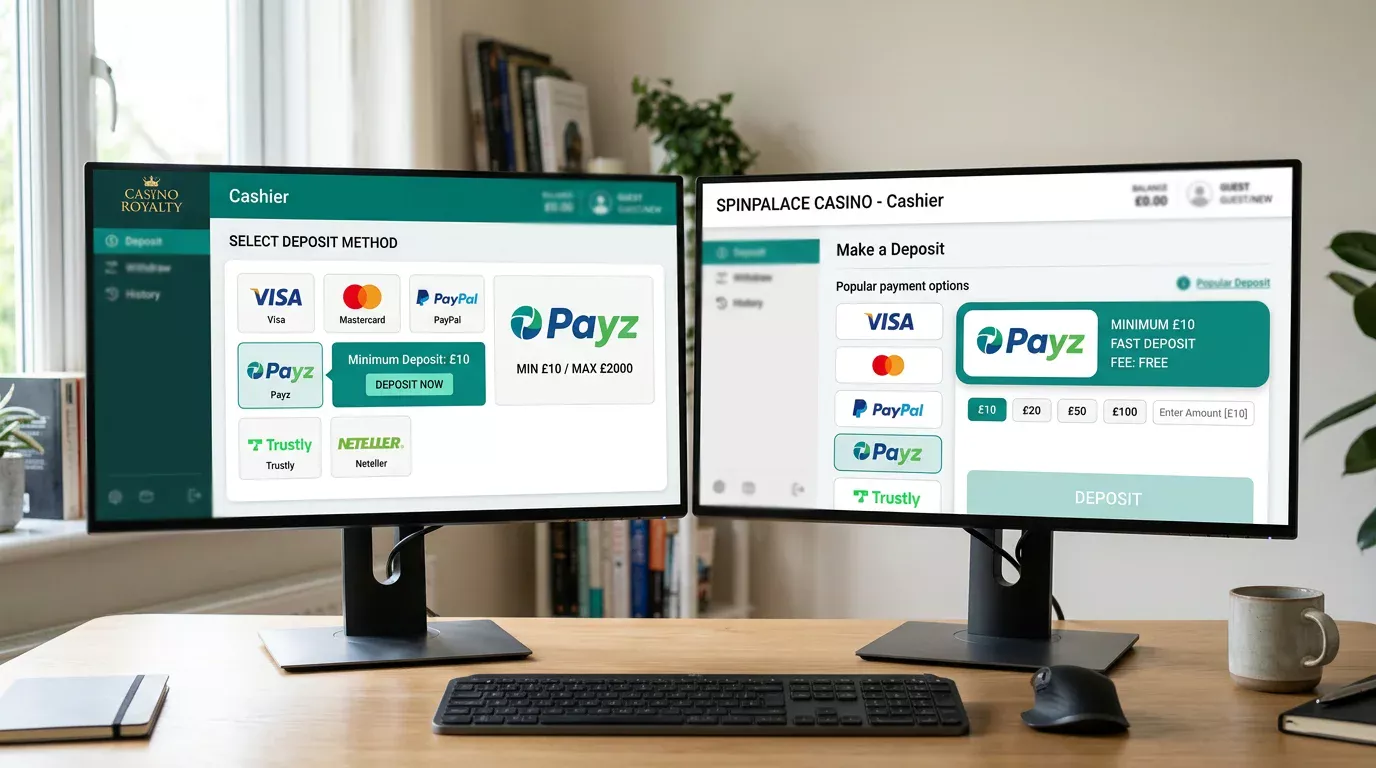
If I had to pick the single most common Payz minimum deposit across UK casinos, it would be £10. The figure is not arbitrary — it is where the cashier economics, the bonus thresholds, and the regulator’s affordability framing all converge. Walking through several thousand cashier pages over nine years, I have noticed the £10 floor appears at roughly half the UKGC-licensed operators that accept Payz, with the rest split between lower £5 minimums and higher £15 to £20 minimums.
What I want to do here is unpack why £10 is the modal Payz minimum, what £10 actually unlocks on the bonus side, and how to read the small print so the published minimum matches the minimum that actually qualifies for the offers you care about. There is a meaningful gap between “minimum deposit at the cashier” and “minimum deposit that qualifies for the welcome bonus”, and the gap is where most readers lose money.
Economic Factors Determining the Baseline £10 Limit
The Remote Casino, Betting and Bingo category covers 46% of the regulated UK gambling market by gross gambling yield, with online casino games generating £5.0 billion in the most recent full reporting year. Those numbers explain why the £10 figure has settled in. Operators have spent years calibrating against player segments, and £10 turns out to be the smallest deposit value where a typical UK casual player covers at least one realistic slot session at the £5 stake limit — two spins at the cap, or twenty to fifty spins at lower stakes.
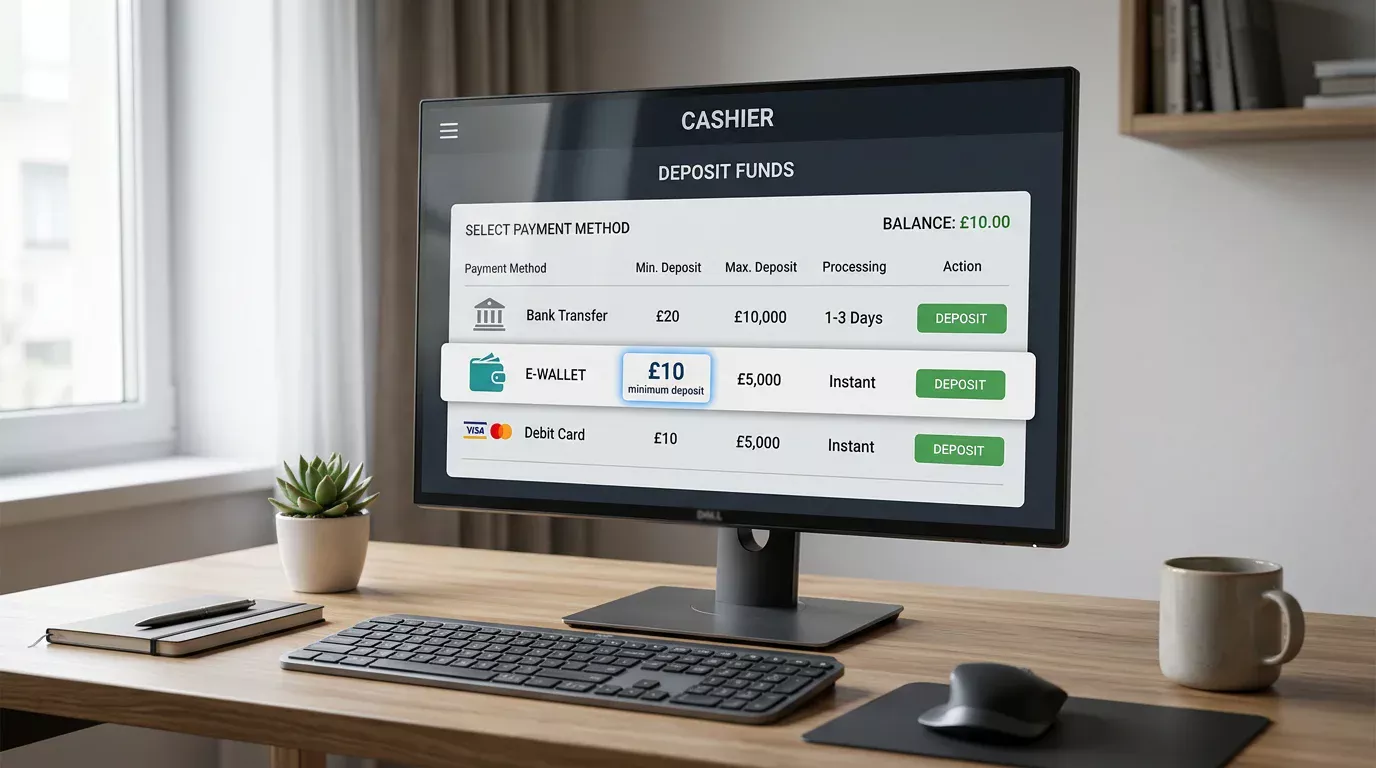
Below £10 the operator’s per-transaction costs eat too large a fraction of the deposit. Above £10 the operator loses the casual player who is testing the brand. £10 sits at the sweet spot, and the consistency across operators is striking — it is one of the few cashier parameters that has barely moved since 2018.
The Payz wallet does not impose its own minimum here. PSI-Pay’s wallet-to-merchant transfer accepts amounts well below £10, and the practical floor is determined by the casino’s cashier configuration. When you see a £10 Payz minimum, that is the operator’s choice, not Payz’s constraint. The same wallet at a different operator may have a £5 or a £20 minimum, depending on where that operator has chosen to set its floor.
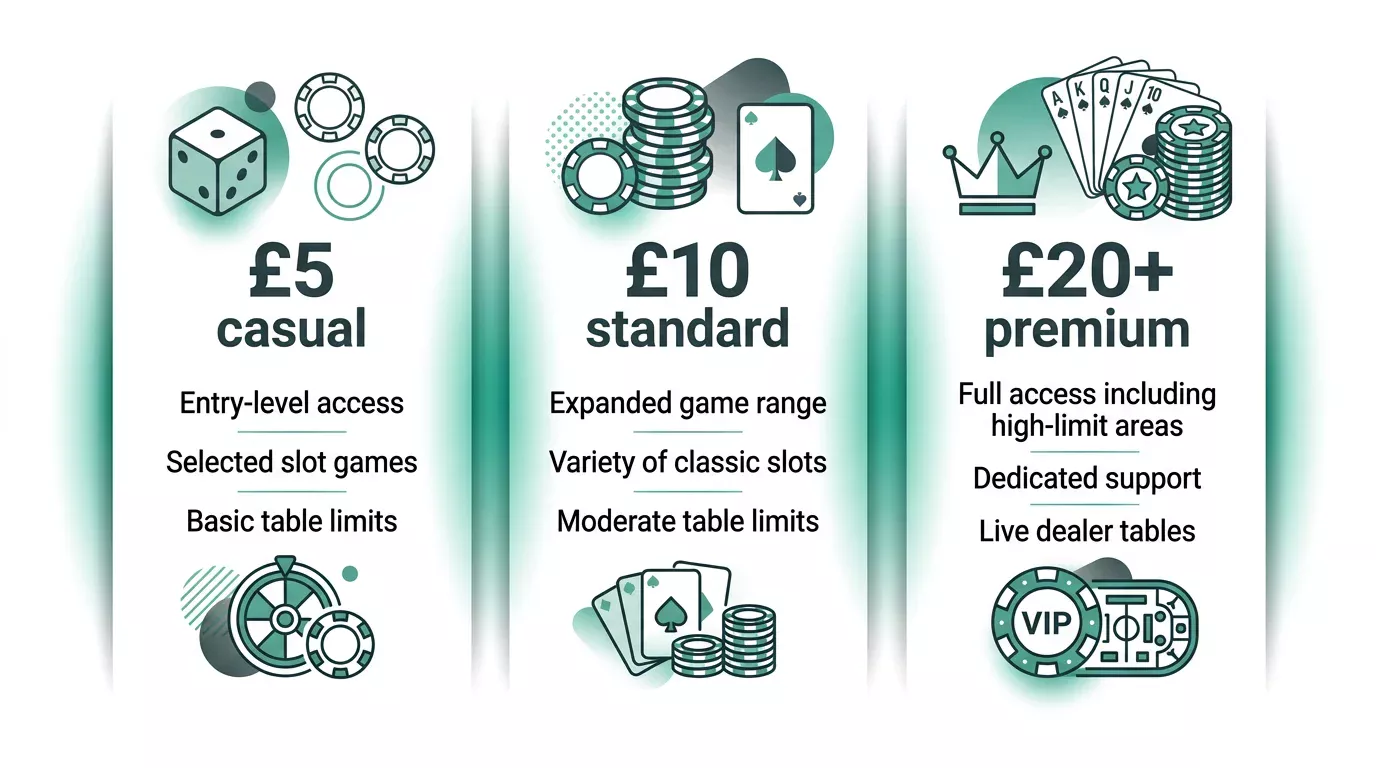
The minimum is also a soft signal about the operator’s player profile. A £5 floor usually indicates a casual or recreational target audience. £10 indicates the operator is comfortable serving both casual and regular players. £20 or higher indicates the operator is positioning toward more committed players, often with a corresponding emphasis on VIP loyalty and high-stakes table games. Choosing your operator by minimum deposit is a reasonable first filter for matching your play style to the cashier.
The Gap Between Cashier Minimum and Bonus Minimum
Here is where readers get caught. The cashier minimum on Payz might be £10, but the welcome bonus qualifying minimum can be £20 or £30. A £10 first deposit clears, the funds land in your real-money balance, you start playing, and only when you check your bonus balance do you realise it is empty. The exclusion was not the Payz wallet — it was the deposit amount.

This pattern is more common than not. Operators publish the bonus qualifying threshold in the welcome offer T&Cs, but the cashier page usually shows the lower general minimum. The two pages live in different parts of the operator’s site, and most readers do not cross-reference them before clicking “deposit”. If you are claiming a bonus, the relevant number is the higher one, not the published cashier minimum.
One workaround. Many operators allow you to choose whether to claim the welcome bonus on a per-deposit basis, with an “opt out” checkbox at the cashier. If you intend to deposit £10 and the bonus requires £20, opt out — playing without the bonus is preferable to depositing under the threshold and having the bonus auto-decline. Some operators record an auto-decline as your “welcome bonus used”, which means you cannot retry on a later, larger deposit. Opting out preserves the bonus entitlement for when you can fund a qualifying deposit.
If you are planning a larger first deposit, the structural choices between £20, £50, and £100 — and what each tier actually delivers in terms of bonus and session length — are worth working through in advance. I have a tier-by-tier breakdown in my guide to ecoPayz £20, £50 and £100 casino deposits that does the maths on each band.
The Economics of a £10 Payz Deposit
What does £10 actually buy at a UK casino through Payz? Strip out the marketing and the answer is straightforward. £10 funds 200 spins at £0.05 average stake, 100 spins at £0.10, 40 spins at £0.25, or 10 spins at £1.00. At the £5 cap, £10 lasts two spins on a worst-case streak and longer on a typical run. At a slot’s average RTP of 96%, a £10 deposit returns a long-run expected value of £9.60 in winnings, with significant variance around that mean.

The Payz-specific costs are minimal at this deposit size, provided you fund from a GBP balance. There is no PSI-Pay deposit fee on a GBP-to-GBP cashier transaction at most operators. There is no FX margin if both wallet and operator are in GBP. The £10 leaves your wallet and £10 lands in the cashier. Where the cost creeps in is on the way out — a £10 withdrawal carrying a £1 fee is a 10% effective tax, considerably worse than the same fee on a £100 withdrawal.
The other consideration is mobile UX. Around 42% of UK adults are registered on mobile wallets, and the £10 deposit on mobile typically completes in 30 seconds end to end, including biometric authentication. The faster the deposit lands, the more sessions per hour become possible — and the more sessions per hour, the more important the cumulative wallet and cashier overhead becomes. Casual £10 deposits across a week add up. A single £50 deposit, played down over several sessions, is operationally cheaper.
Criteria for Shortlisting a £10 Payz Operator
I run a short checklist before I would recommend an operator at the £10 Payz tier to a reader. None of the criteria are about brand prestige; they are about whether the £10 deposit experience is honest.
First criterion: the cashier states the £10 minimum on the Payz row specifically, not as a general “minimum across all methods” footnote. Operators that publish a single minimum applicable to all methods sometimes apply a higher Payz threshold at the moment of transaction, which is confusing and breaks trust.
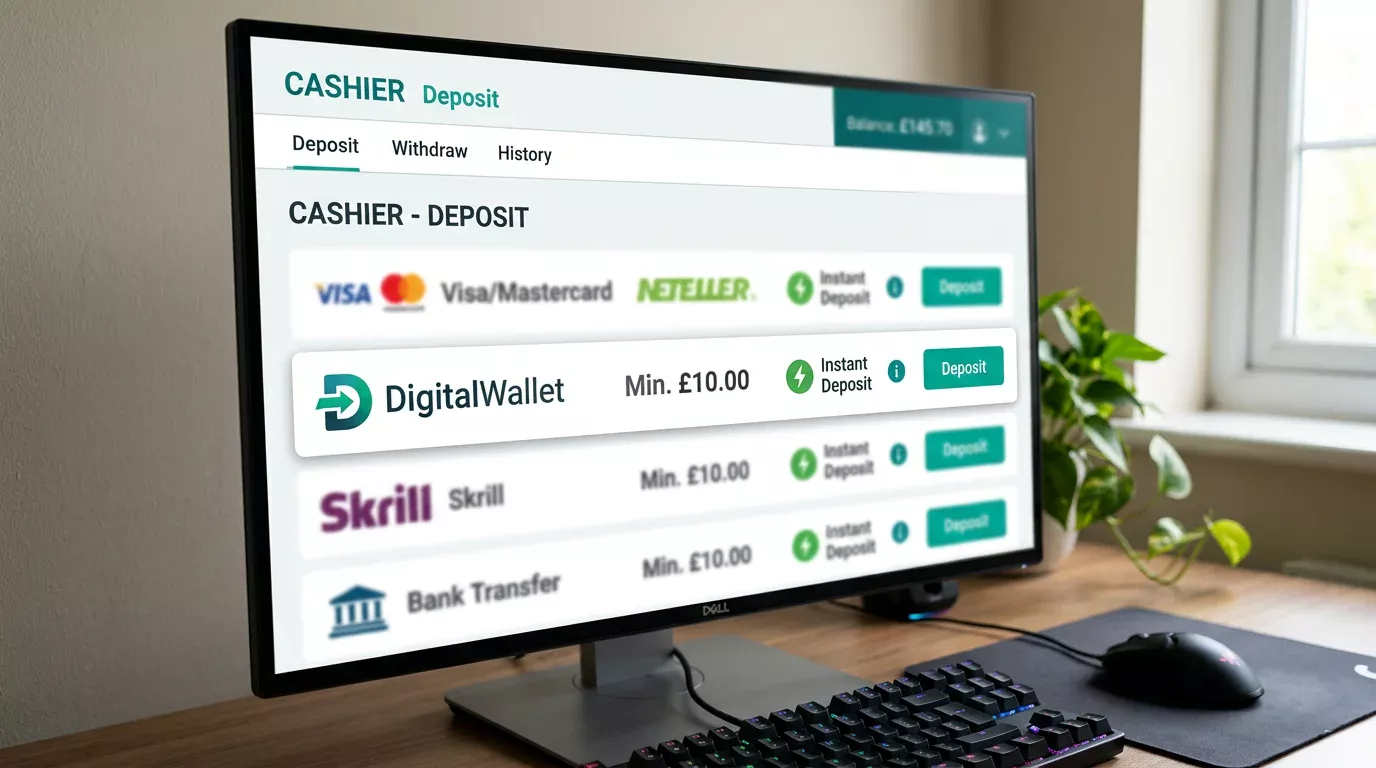
Second: the operator confirms the £10 Payz deposit qualifies for the welcome bonus, or explicitly states the higher bonus threshold. Either is acceptable; what is not acceptable is silence on the question, because silence usually resolves against the player.
Third: the cashier processes the £10 instantly, or within minutes. A “pending” status on a £10 first deposit is a sign the operator’s risk engine is over-tuned, and you can expect similar friction on later withdrawals. The fastest-to-cash test starts on the first deposit.
Fourth: the operator’s responsible-gambling tools accept the £10 tier sensibly. Deposit limits set to £10 weekly or £10 daily should be selectable from the standard list, not buried in a custom-amount field. Operators that make low limits hard to find are signalling that they would rather you set higher limits or none.
Fifth: the withdrawal experience matches the deposit experience. A casino that takes a £10 Payz deposit in seconds but holds a £10 withdrawal for 72 hours is using cashier asymmetry to discourage withdrawals. Test this once on a small balance; it will tell you more than any rating or review will.
Created by the "Paylobby" editorial team.