
Real ecoPayz Currency Conversion Charges at UK Sites
 Available in GB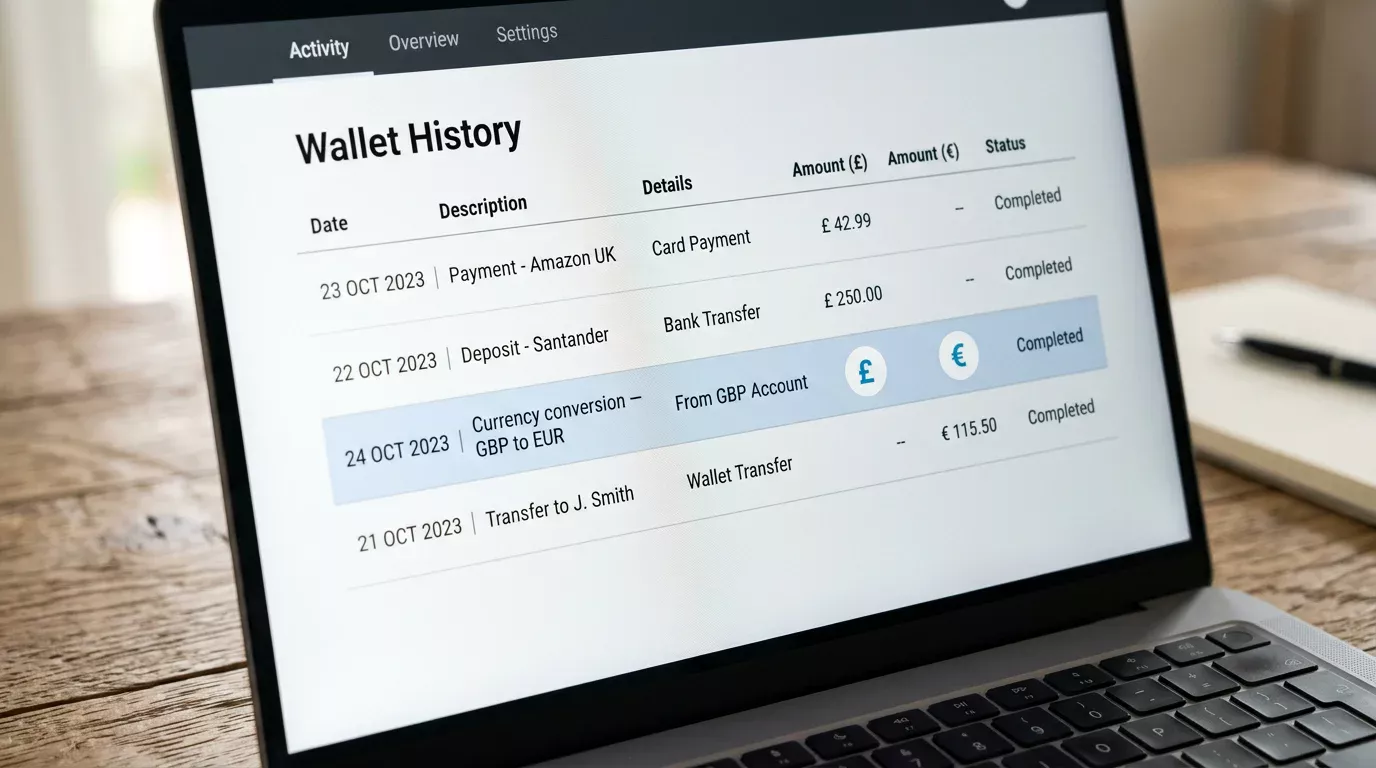
The first time I sat down with a year’s worth of a friend’s Payz statements and totted up his foreign-exchange costs at EUR-denominated casinos, the number came to almost £180. He had not noticed a single conversion charge while it was happening. There were no big standalone debits, no warning popups, just an exchange rate quietly two or three percent off the mid-market rate on every transaction in either direction. Multiplied across a year of casino play, the drag was the equivalent of an extra subscription service he never knew he was paying for.
Currency conversion is the most under-discussed cost in the UK casino-Payz combination. It is not hidden in a sinister sense — the rates are visible if you go looking — but it is invisible in the practical sense that the cashier UI rarely surfaces the FX margin in a way that lets you compare or refuse it. If your wallet currency does not match the casino’s account currency, every deposit and every withdrawal will be touching a conversion mechanism, and the margin on that mechanism deserves the same scrutiny you would give any other deduction from your bankroll.
Financial Evaluation of the 2.99% Fee in Sterling
Payz applies a foreign-exchange margin on the order of 2.99% above the prevailing mid-market rate for retail conversions, with the exact margin varying by currency pair, tier, and direction. Round numbers help here. Convert £100 to euros at a mid-market rate of 1.18, and you would expect about 118 euros in a frictionless world. With the margin applied, you receive closer to 114.50 euros — a haircut of roughly three and a half euros that you may never see itemised as a separate charge. The rate you see in the wallet looks like an exchange rate, not a fee, and that framing is what makes the cost easy to overlook.
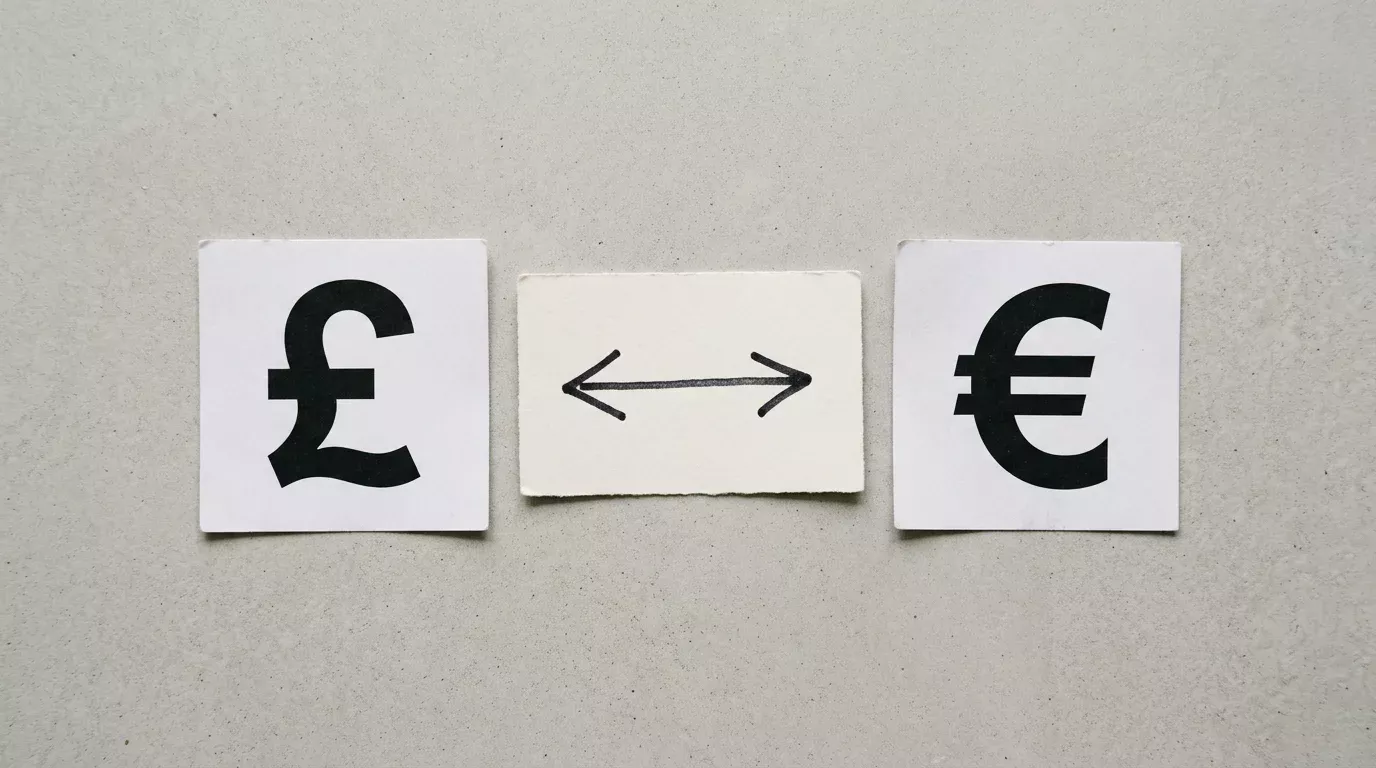
Now multiply across a realistic UK player’s annual flow. A casual depositor pushing £2,000 into a EUR-denominated operator over a year, withdrawing perhaps £1,400 back to a GBP wallet, will see roughly £100 of round-trip FX margin captured at the rate above. That is the price of currency mismatch alone, before any other cost. For someone running £20,000 a year through the same setup, the figure climbs toward £1,000. Neither of those numbers is hypothetical — they are what FX margin compounds to when applied at every leg.
Why UK Casinos Still Operate in Multiple Currencies
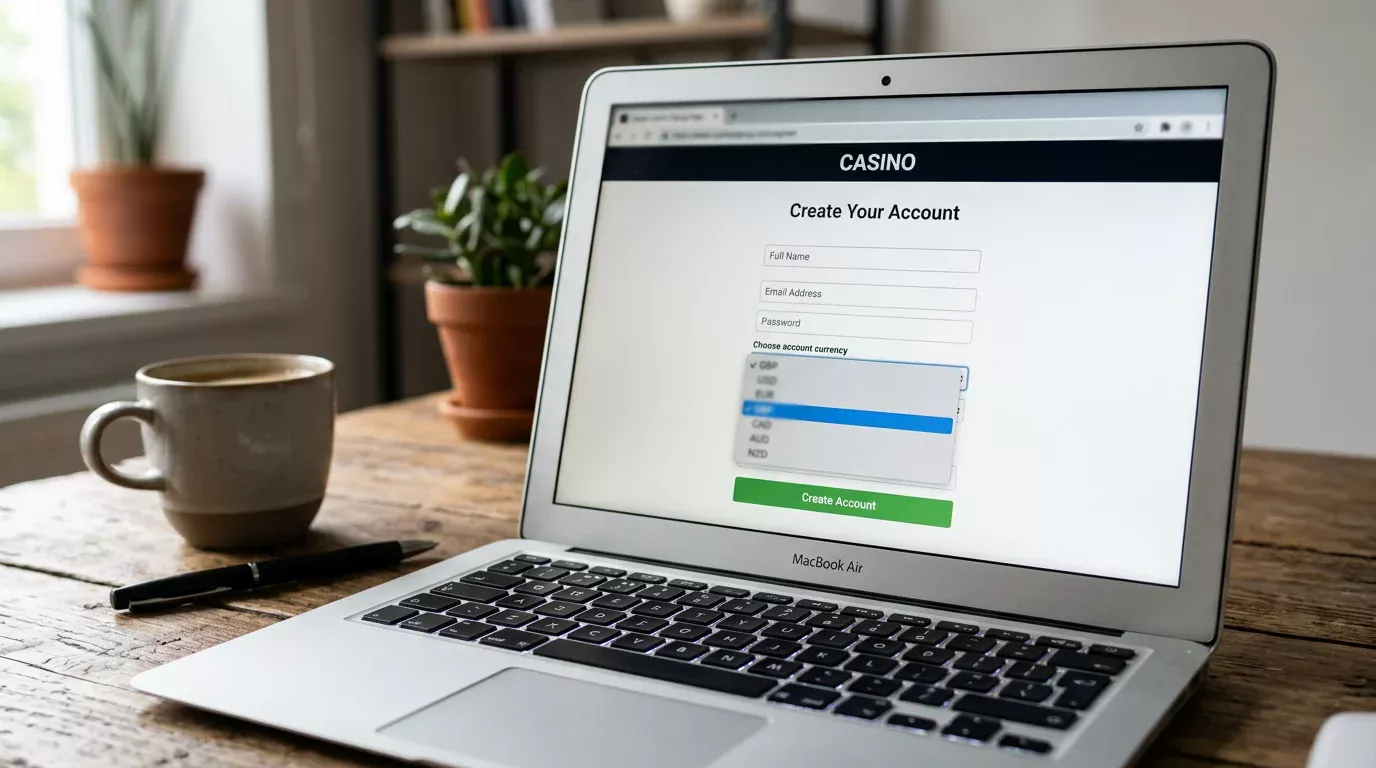
You might reasonably ask why a UK-licensed casino targeting UK players would offer a EUR or USD denomination at all. The honest answer is that the operator is often part of a multi-jurisdictional group running shared infrastructure, and offering a single base currency across the group simplifies their accounting at the cost of inviting FX friction on customer-facing transactions. Some operators run GBP-native cashiers for UK customers; others nominally let you pick GBP at registration but settle the underlying balance in EUR and convert at the edge.
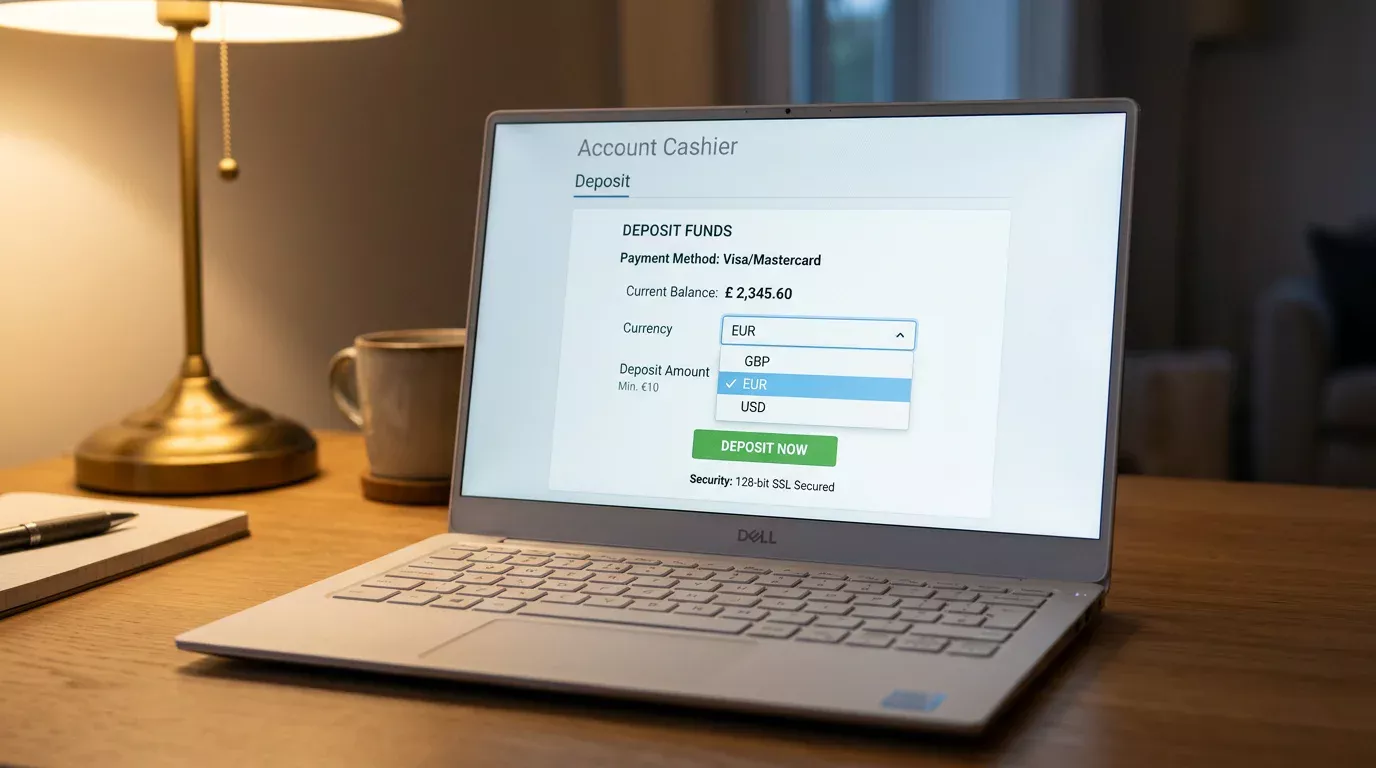
The signal to watch for sits in the cashier display during a deposit. If a £50 deposit shows up in your casino balance as exactly £50, you are operating in a GBP-native account and no conversion is happening at the casino end. If a £50 deposit lands as an amount like €58.45 or $63.20, the casino is converting on receipt, and the conversion margin baked into that exchange is theirs to set — sometimes worse than Payz’s. The same logic applies in reverse on withdrawal: a EUR balance withdrawing to a GBP wallet will hit Payz’s conversion on the way through.
The Double-Conversion Trap
A friend asked me to look at his statement after he could not reconcile the numbers. He was depositing GBP from his bank card into a GBP-loaded wallet, then depositing GBP from the wallet into a casino that he believed was GBP-denominated. The casino’s terms confirmed GBP accounts. He was nonetheless taking conversion losses on every cycle.
The trap turned out to be that his wallet’s primary account was actually denominated in EUR, set during a holiday years before when he had loaded his card abroad. The “GBP” he saw in the wallet was a sub-balance the wallet displayed in his preferred currency, with conversions happening invisibly each time funds moved between the actual EUR primary account and the GBP-facing display. The casino was GBP-native. The wallet was EUR-native. Every deposit was converting EUR to GBP on the way out, every withdrawal converting GBP back to EUR on the way in. Two conversions per cycle, on top of his expectation of zero.
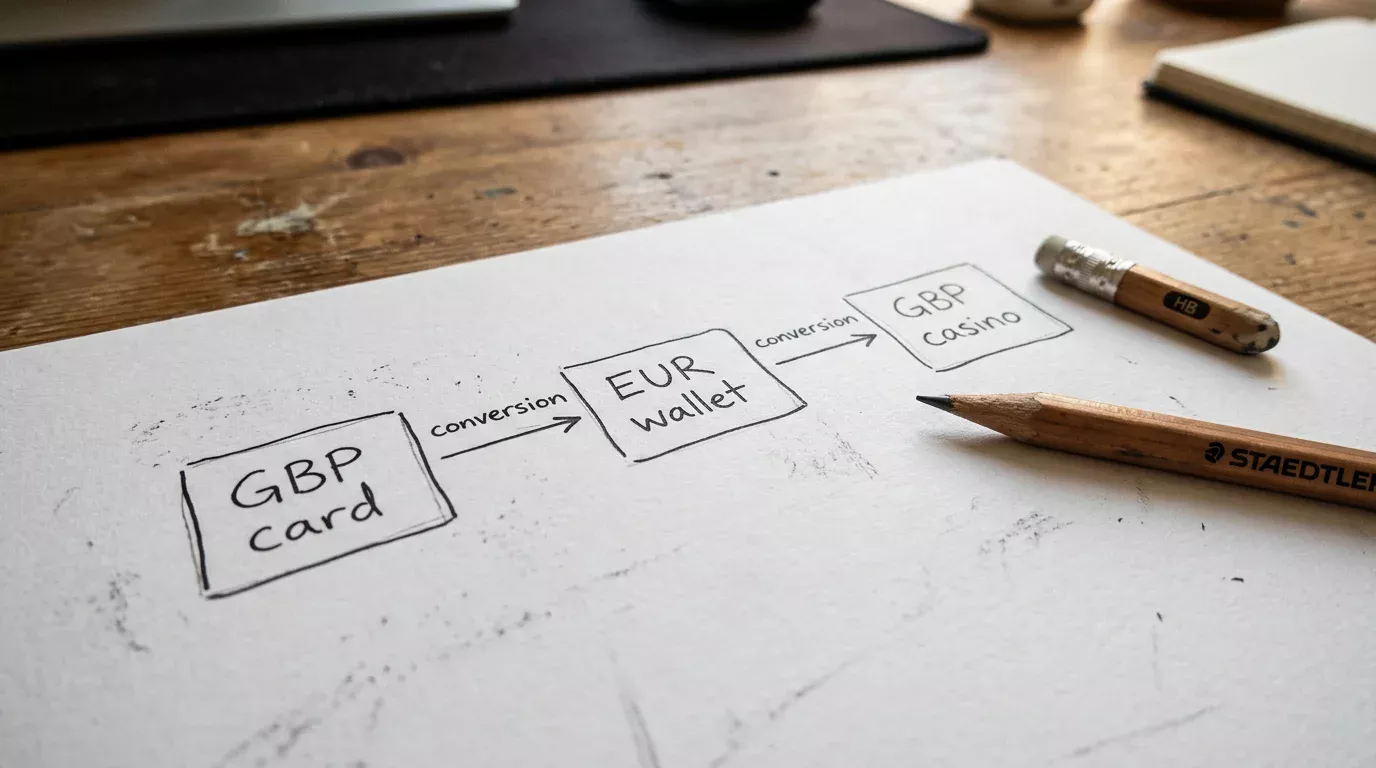
This is the kind of structural cost that does not announce itself. The fix was straightforward once spotted — open a GBP primary account on the wallet and route casino activity through that — but the conditions that produced it are common. Holiday-era setups, legacy wallet configurations, gift-loaded eco-Virtualcards that carried a non-GBP denomination, accounts originally registered abroad and migrated to UK use later. All of these can produce silent double conversion.
How to Read Your Wallet’s FX History
Payz transaction history shows conversions with the source and destination currencies and the rate applied. The rate is usually presented as a fraction — “1 GBP = 1.1438 EUR” or similar — which looks innocuous until you compare it to the mid-market rate on the same day. The gap between the wallet’s rate and the market rate is the margin you paid. There is no separate “FX fee” line item to sum.
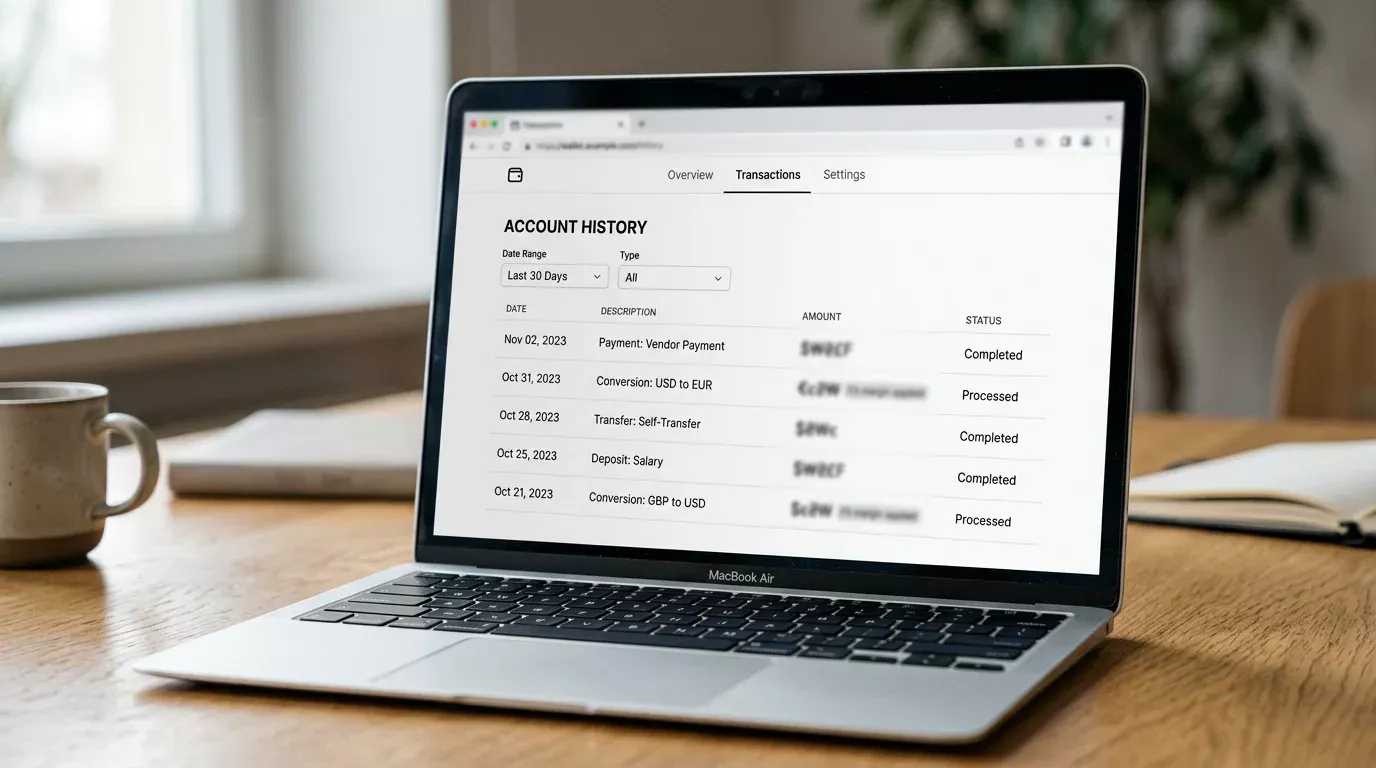
The exercise of pulling a month’s statement and benchmarking each conversion against the mid-market rate for that date takes perhaps an hour and produces a real number you can act on. I recommend doing it once a quarter for any reader running material casino activity through Payz. The first time you see the cumulative cost expressed in pounds rather than as a percentage on individual transactions, the calculus of “should I just switch to a GBP-native setup” usually answers itself.
The Tier and Pricing Dimension
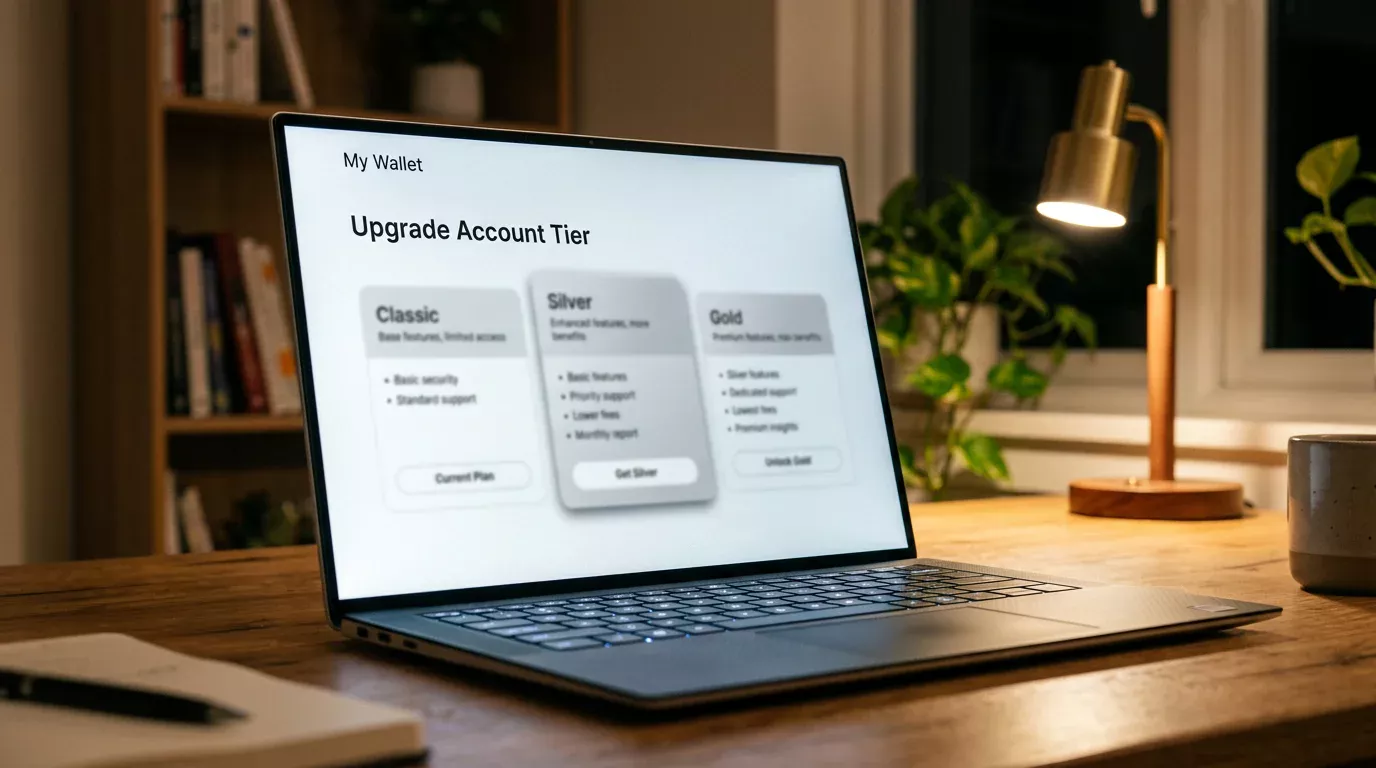
Wallet tier affects FX margin, although not as dramatically as it affects deposit and withdrawal fees. Higher tiers — Silver, Gold, Platinum, VIP — see narrower spreads. The exact differential varies by currency pair, but the move from Classic to Silver alone typically tightens the margin meaningfully on the major pairs. For a Classic-tier user pushing significant cross-currency volume, the cost of moving up a tier — measured in monthly fees or activity thresholds — can be recovered in FX savings alone, before considering any other benefit.
The interaction with deposit sizing is worth being explicit about. Bigger conversions take the margin in absolute pounds proportionally, but the practical friction of frequent small conversions also matters because each conversion crystallises a margin at whatever rate prevails that moment. Larger, less frequent moves — within whatever deposit-amount tier you are comfortable with — typically produce slightly cleaner outcomes than a steady drip of small transactions, especially in volatile FX windows.
Alternatives Within the Wallet
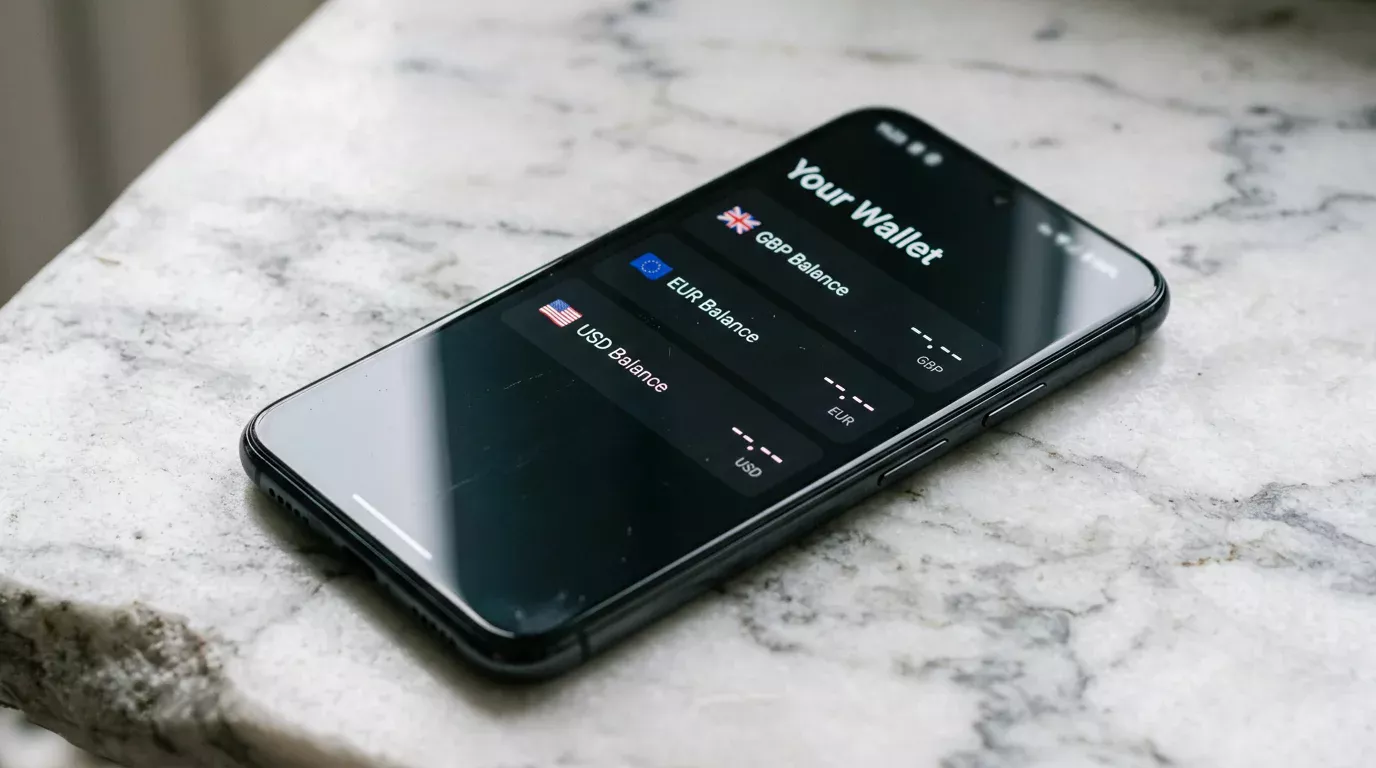
Payz allows multiple currency accounts within the same wallet. A UK player using EUR-denominated casinos can open a EUR sub-account, fund it directly in EUR via SEPA where supported, and operate the casino flow entirely in EUR without GBP conversion friction. The trade-off is that funds in the EUR account need to be sourced in EUR — either earned, transferred from a EUR-denominated source, or converted once on a controlled basis at a time of your choosing rather than at every transaction.
For most UK players the simpler answer is the opposite: keep everything in GBP and only use GBP-native casinos. The UK market is large enough that GBP-native options exist across virtually every casino vertical. Choosing one removes the conversion question entirely. The UK gambling market was £16.8 billion in gross gambling yield in the year to March 2025, with online verticals growing 7.3% year on year — there is no shortage of GBP-native operators for a player who decides currency match is a priority.
What to Ask Before Opening a Wallet for Casino Use
Three questions answered up front will avoid most of the FX surprises I see. What currency is the wallet’s primary account? If you can pick at registration, pick GBP unless you have a specific reason not to. What currency does the casino operate in, and is the GBP-facing display backed by a GBP-native balance or by conversion at the edge? If you cannot confirm GBP-native from the operator’s terms, assume conversion is happening. And what tier are you on, and what would the cost of upgrading be relative to your annual FX exposure?
The figures matter because they compound silently. A 2.99% margin on a single £50 deposit is £1.50 — invisible. The same margin across a year of casino activity for a moderately active player is the cost of a mid-tier subscription paid by accident. Nothing about FX margins is illegitimate; Payz publishes its rates and the casino discloses its base currency. The cost is simply paid by players who do not check, and saved by players who do.
The Settled View
FX margin is the kind of cost that experienced players factor into their setup before they begin and that less experienced players discover months later from a statement audit. I have come round to the view that for any sustained UK casino activity, the cost of cross-currency setups is not worth the convenience unless you have a specific reason to be in a non-GBP environment. Currency-match your wallet to your operators, do an FX-margin audit once a quarter, and review whether your tier is appropriate for the volume you are pushing. None of that is exciting, all of it is cheaper than ignoring the question for a year and totalling up the leakage afterwards.
Prepared by the Paylobby editorial staff.