
Android Gambling: ecoPayz vs Google Pay Wallet Comparison
 Available in GB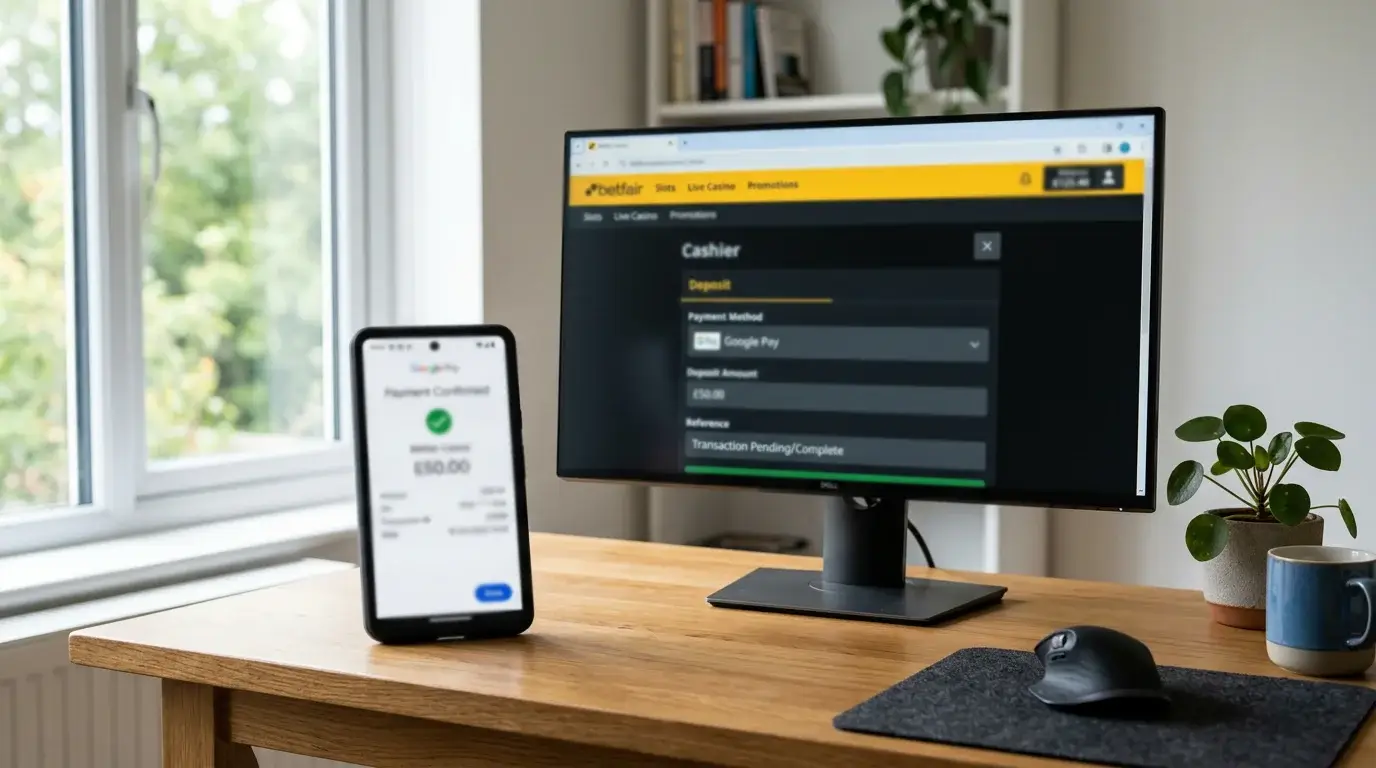
An Android-using reader previously pointed out to me that most of the discussion of mobile-wallet alternatives in the UK casino space focused on Apple Pay, with Google Pay treated as a footnote. He was right, and the asymmetry annoyed him because his everyday device was an Android phone with Google Pay set up, and he wanted to know whether the analysis I had written about Apple Pay applied equally to him. The short answer was that the architectural framing was identical but the platform-specific details were not, and the practical UX of Google Pay at UK casinos has its own quirks worth treating separately.
Google Pay sits in a different position in the UK market from Apple Pay, partly because of the Android ecosystem’s broader installed base and partly because of how the platform integrates with the wider Google product family. The CMA designated both Apple and Google as having “strategic market status” in July 2025, which is starting to reshape the economics of how operators support each, but the differences in player experience between the two remain real. The Payz comparison runs cleanly against either, with similar conclusions and a few platform-specific wrinkles.
Technical Layouts and Processing Protocols Side by Side
Google Pay, like Apple Pay, is a tokenisation and authentication layer over an underlying card. The Android device authenticates the user (biometric or PIN) and presents a tokenised card transaction to the merchant. The card behind the wallet is the actual funding source. Google Pay does not hold a balance; it does not have its own merchant-category code; it does not process withdrawals as a destination — it routes funds returning from a merchant back to the underlying card via the standard card-rail refund mechanism.
Payz holds its own balance as e-money at PSI-Pay Ltd, settles transactions on its own infrastructure, and receives withdrawals directly as standalone funds. Apple Pay / Google Pay growth in UK casino payments has been around 47% year on year, with the combined mobile-wallet category now a meaningful share of total casino payment volumes; Payz support is broader at UK operators but the mobile-wallet category overall is the fastest-growing alternative.
The architectural difference between the two device-specific wallets and Payz produces the same trade-off pattern: card-based tokenisation favours speed and routine simplicity; e-money intermediation favours descriptor privacy, withdrawal handling, and operator coverage.
The Android-Specific UX
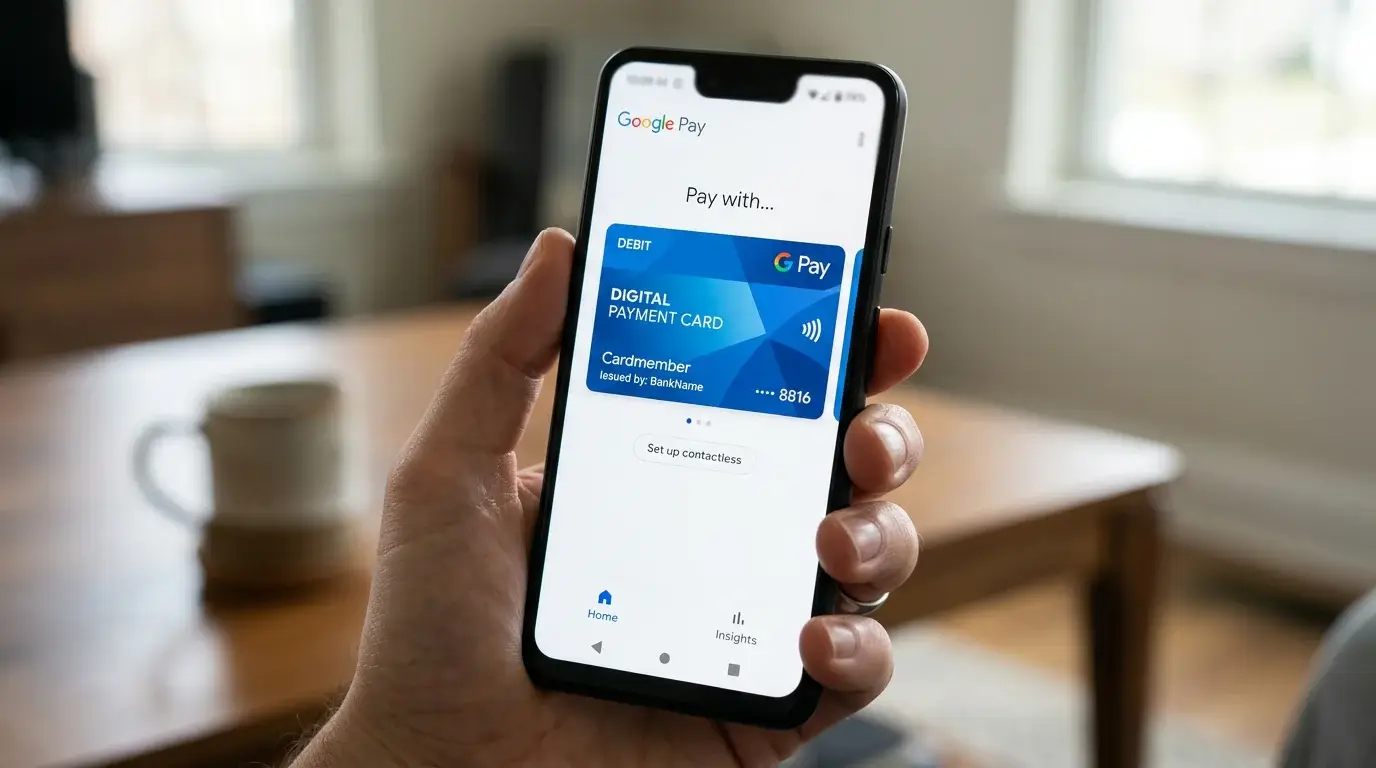
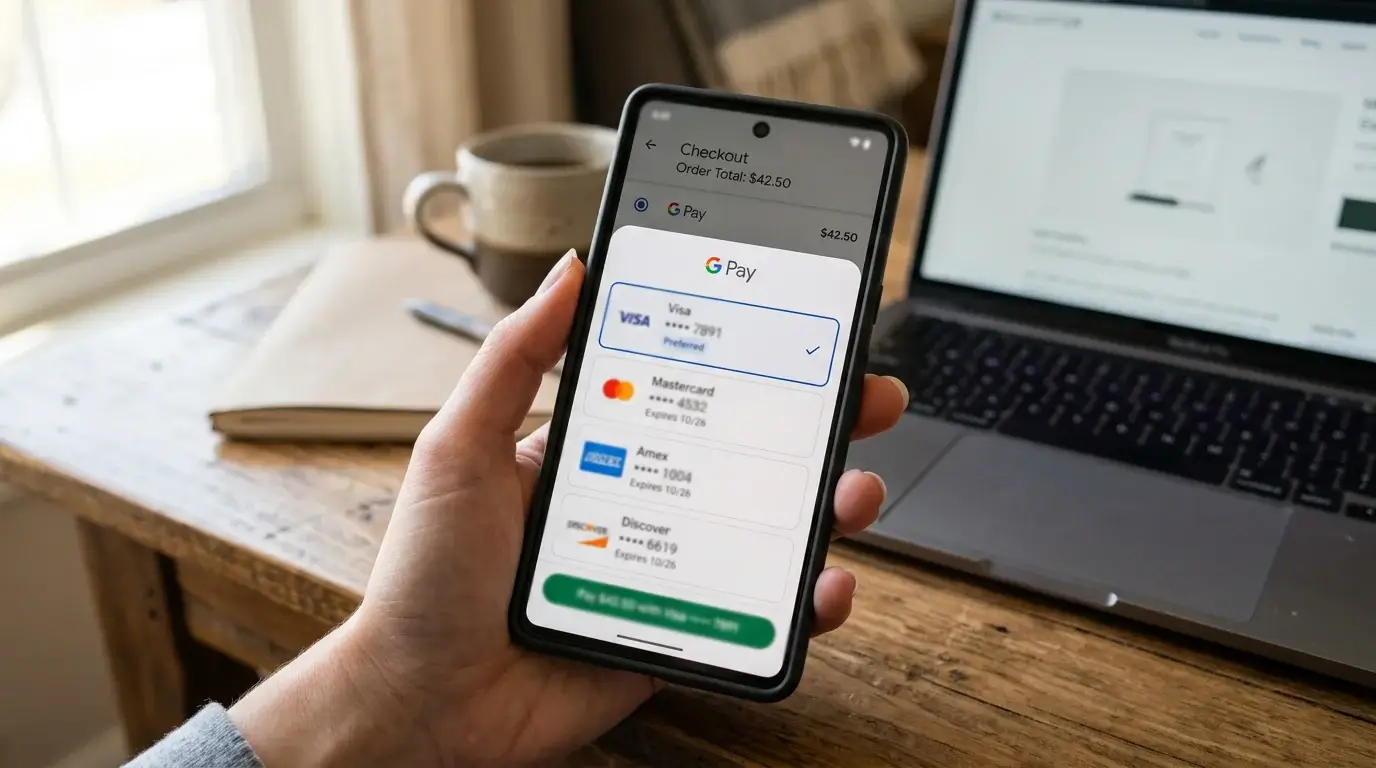
Google Pay’s UX inside the casino cashier is shaped by Android’s payment integration. The phone presents a Google Pay sheet, the user authenticates with fingerprint or PIN, and the transaction completes. Most Android implementations support multiple cards in the same Google Pay setup, with a selector for choosing which card funds a given transaction; some users rotate cards in ways that an iPhone user would not.
What this means for UK casino deposits specifically: Android users sometimes have a more complex relationship with their funding source than Apple users, partly because card-switching is easier and partly because Android’s broader installed base spans more types of card products. The credit card gambling ban applies the same way — Google Pay over a credit card is still subject to the 2020 ban — but the per-session selection of funding instrument can produce different outcomes if the player is not paying attention to which card is selected.
The CMA designation of Google as having strategic market status by July 2025 has triggered a regulatory expectation of greater interoperability and lower fees, and the practical effect over 2026-2027 is likely to be lower friction for operator-side Google Pay integration. Operators that previously found Apple Pay easier to integrate than Google Pay (or vice versa) are seeing the gap narrow.
Coverage at UK Casinos
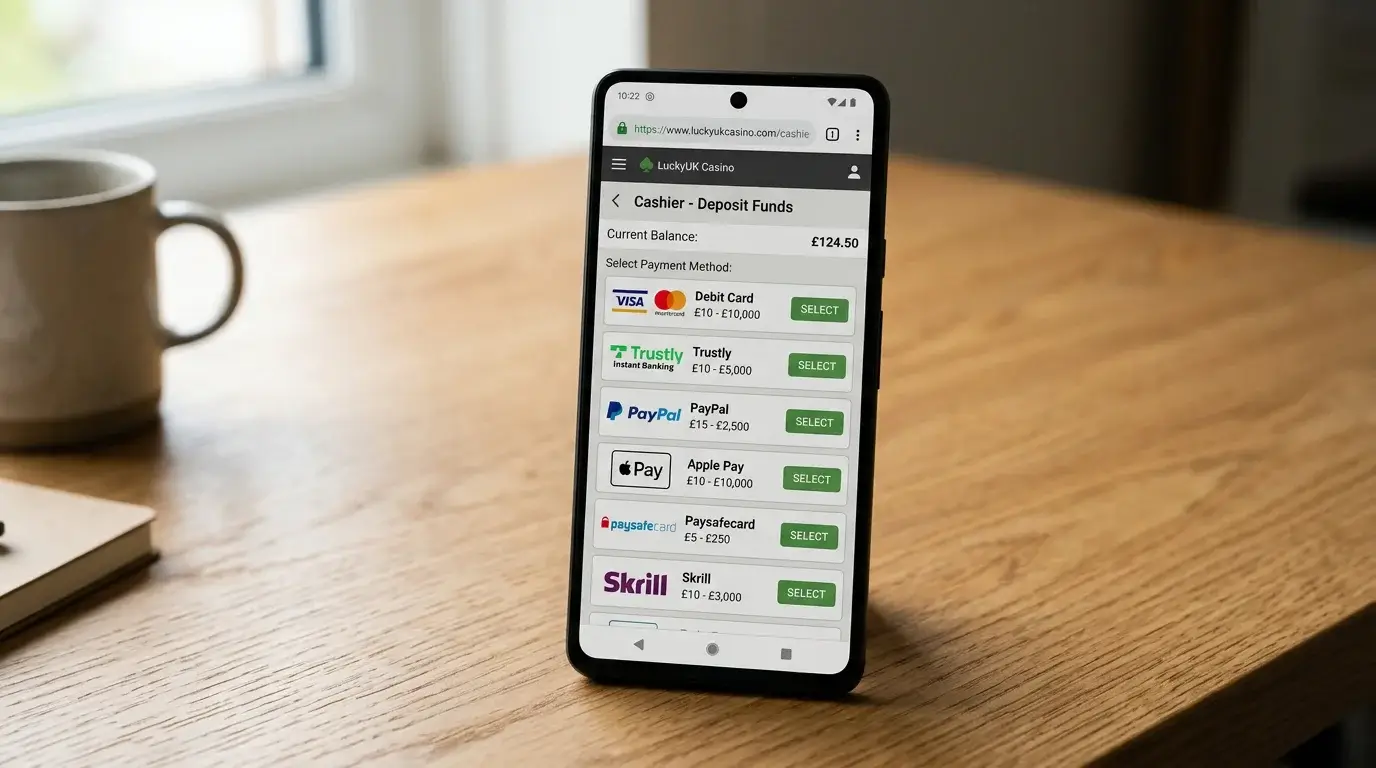
Google Pay coverage at UK online casinos has moved roughly in step with Apple Pay over the past two years. Apple Pay sits at around 30% of UK online casinos at the latest measurement; Google Pay is in a similar range, with slight variance by operator group. Operators that have invested in mobile-wallet integration generally support both; operators that have invested in only one tend to favour Apple Pay slightly because of the slightly tidier integration story, but the gap is narrowing.
Payz coverage remains broader at near-universal levels across UK-licensed operators. For an Android user choosing between Google Pay and Payz, the operator-coverage question rarely tips the decision — both are available at most major brands — but the smaller and specialist operators are more likely to support Payz than Google Pay.
The Cost Story
Google Pay itself charges no consumer-side fee on UK GBP transactions. The merchant fee paid by the casino is the operating cost; the cardholder sees no direct charge. If the underlying card has its own fee structure (annual fees, FX margins on foreign currency), those apply normally. Google Pay is currency-agnostic and routes whatever the card supports.
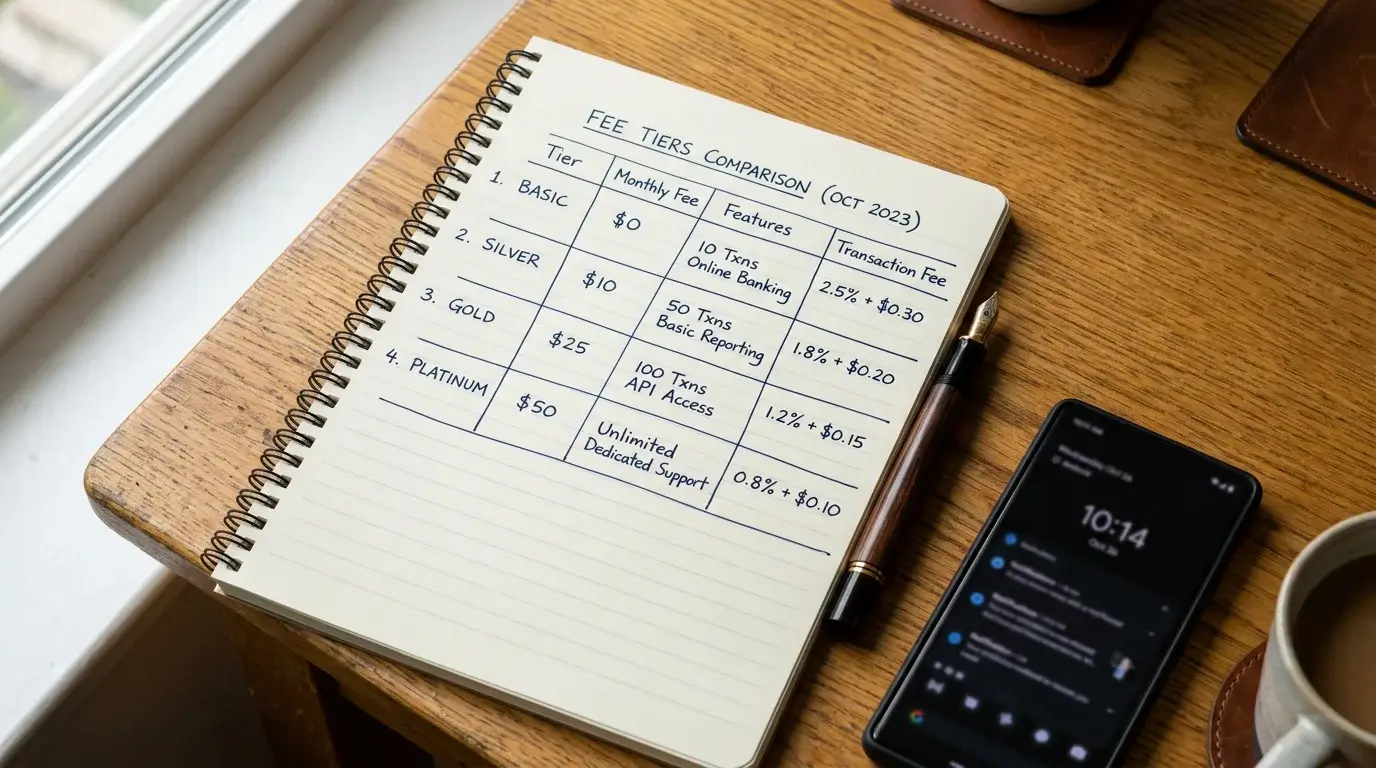
Payz applies its own tier-dependent fee structure. The 2.99%-ish FX margin on cross-currency conversions is the most relevant cost component for many players; deposit fees are usually waived at Classic and above; withdrawal fees apply at certain thresholds. For pure GBP-to-GBP UK casino activity at routine volumes, Google Pay over a GBP debit card will usually be cheaper than Payz at the headline price level. The wallet earns its position on non-price factors.
Speed Comparison
Both methods deposit near-instantly. Google Pay’s biometric authentication is slightly faster than Payz’s password-and-2FA flow on first authorisation, but both clear in seconds on established sessions. Withdrawal direction shows the same asymmetry as Apple Pay — Google Pay does not receive funds directly; refunds route to the underlying card on standard card-rail timing. Payz withdrawals land in the wallet typically within 24 to 72 hours and become immediately spendable on landing.
For players who care most about withdrawal speed (and many do — the speed of getting winnings back is one of the headline metrics readers cite when comparing operators), Payz’s direct-credit-to-wallet structure beats Google Pay’s card-refund route in practice. The card-refund route is reliable but slow; the wallet credit is reasonably quick and usable on arrival.
Privacy and Statement Visibility
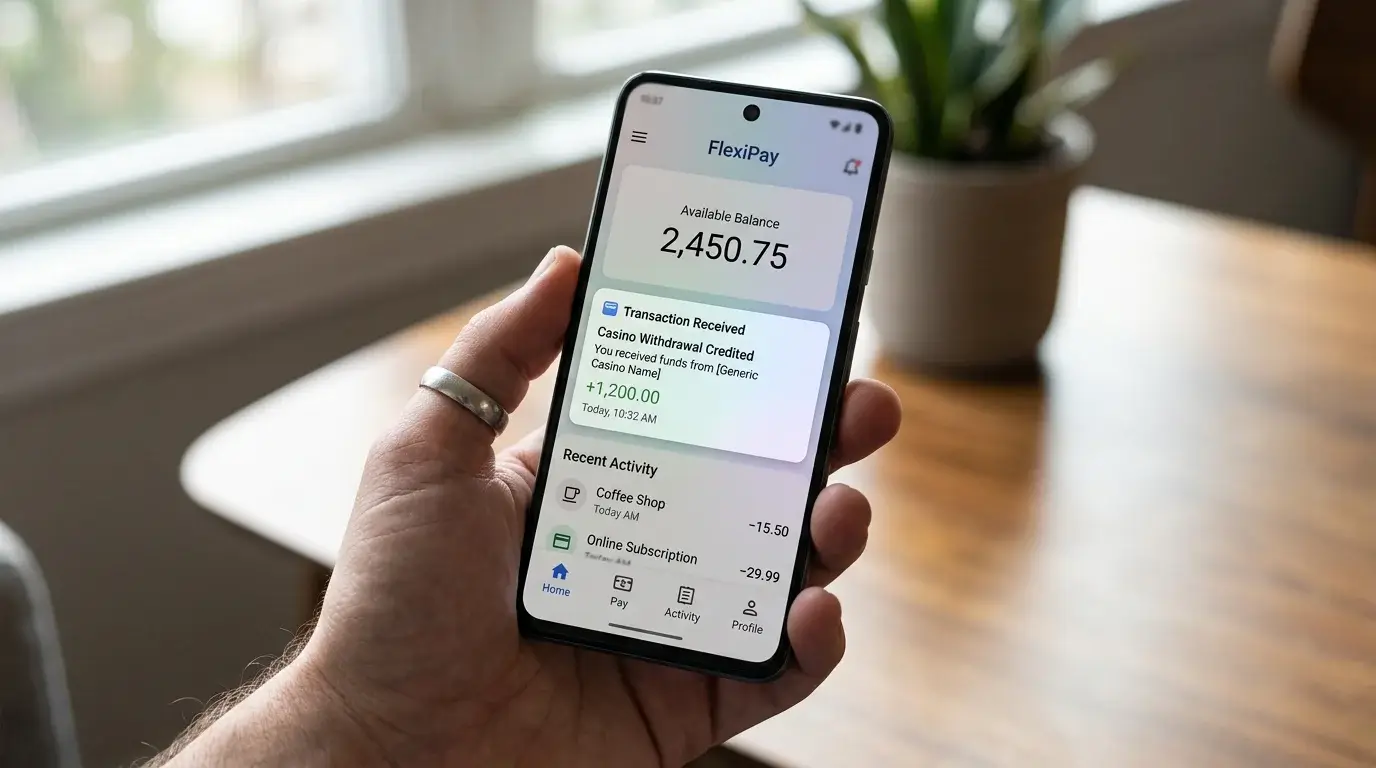
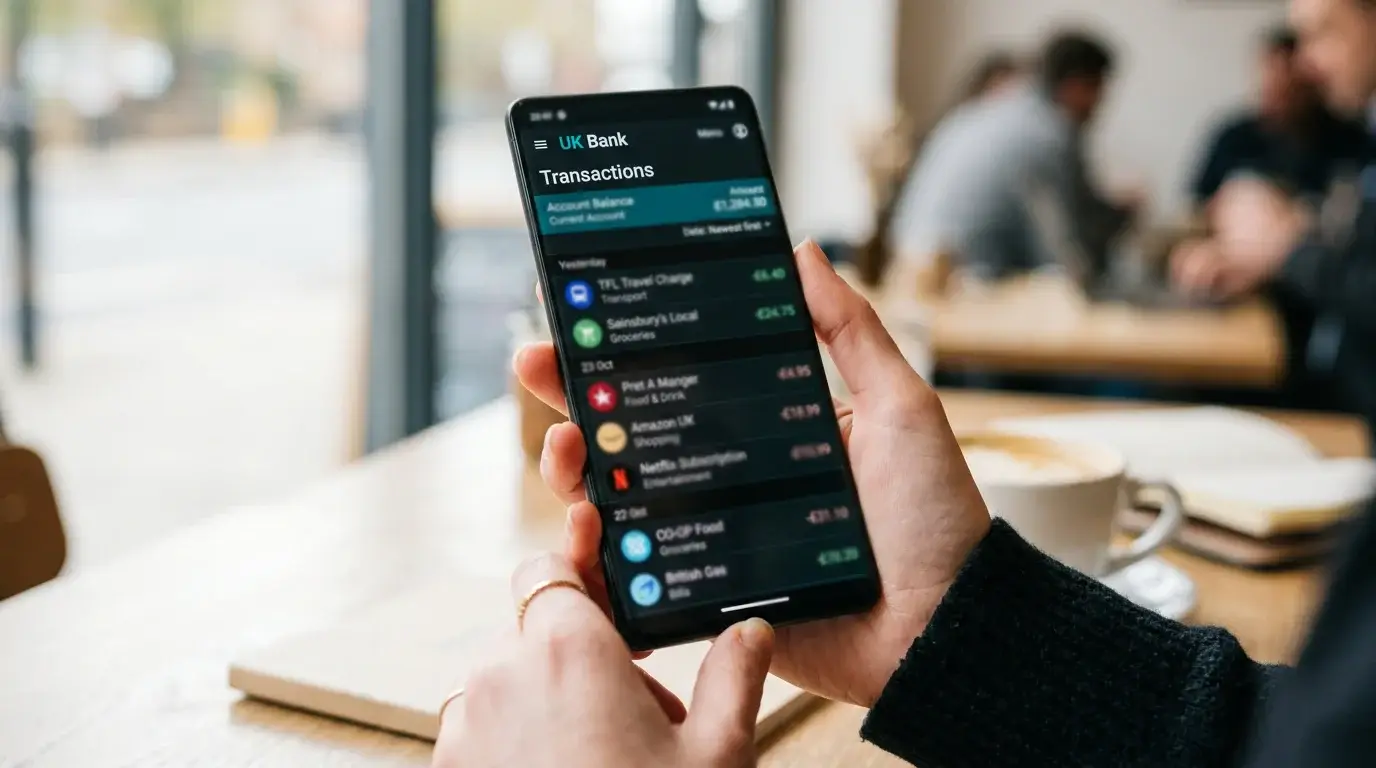
Google Pay deposits at a UK casino appear on the underlying card’s statement with the operator’s merchant descriptor and a gambling merchant category code. The casino is identifiable from the statement. Google Pay tokenises the card number for security but does not obscure the destination.
Payz deposits show as transfers to PSI-Pay Ltd with an e-money services merchant category code. The casino is not identifiable from the descriptor. The descriptor-level privacy advantage that Payz offers over Apple Pay applies equally over Google Pay; the architectural reason is the same in both cases.
For Android users who care about statement-level privacy on their bank account, Payz remains the structural answer regardless of how good Google Pay’s other features are.
The Android Ecosystem Advantage
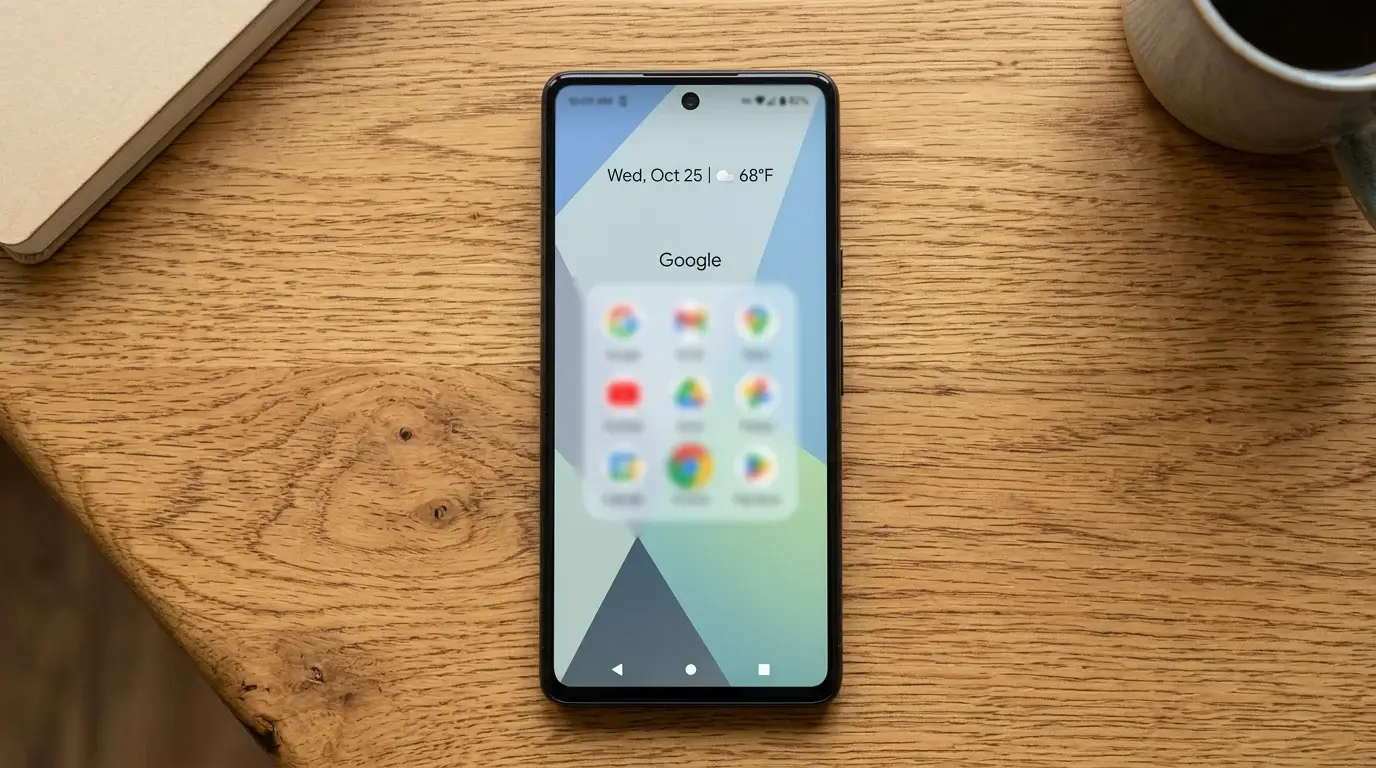
One place where Google Pay genuinely outperforms Payz for some Android users is in the integration with the wider Google ecosystem. Google Pay transactions feed into Google’s broader financial-management features, integrate with Google Wallet for non-payment items, and benefit from the Android device’s seamless cross-app authentication. Users who run their financial life heavily through Google services benefit from Google Pay being part of that ecosystem in a way that Payz cannot match.
The flipside is that this ecosystem integration is also the part that some users actively want to avoid. Players who specifically do not want their casino activity correlated with their broader Google data profile — even if that correlation is technically limited and well-protected — choose Payz partly to break that link. The wallet sits outside the Google ecosystem by design, and that separation is a feature for users who value it.
The Pick by Player Profile
Google Pay wins for Android users who treat casino payments as routine card spending, do not care about statement-level descriptor privacy, want the cleanest possible mobile UX, and are using GBP debit cards at GBP-denominated UK operators. The biometric authentication, the platform-native integration, and the lack of headline cost make it the elegant default for that profile.
Payz wins for Android users who want descriptor privacy, care about fast withdrawal handling that lands in a separate balance, use operators that may not support Google Pay, or prefer their casino activity to sit outside their broader Google data ecosystem. The wallet’s role is the same regardless of whether the alternative is Apple Pay or Google Pay; the platform differences shape the UX of the alternative more than the case for the wallet itself.
Many readers run both, picking by context. Routine small deposits via Google Pay; larger transactions and withdrawals via Payz. The combination works well and neither method actively conflicts with the other — they are independent payment instruments living on the same Android device.
For players considering the alternative open-banking-based approach to casino funding, the comparison runs differently again. The Apple Pay comparison I have written about covers the iOS side of the mobile-wallet question with similar architecture but different platform specifics; players evaluating across all three (Payz, mobile-OS wallet, open banking) will want to read across the comparisons to get the full picture.
The Settled View
Google Pay and Payz are not substitutes. They occupy different positions in the UK casino-funding landscape, solve different problems, and earn their place on different criteria. The casual Android user with a GBP debit card and no specific concerns will land on Google Pay. The user who needs descriptor privacy, fast withdrawal handling, or coverage at smaller operators will land on Payz. The CMA-driven regulatory pressure on the major platforms over 2026-2027 is likely to make Google Pay more cost-effective for operators (and therefore more widely supported), but the structural differences between mobile-OS wallet and standalone e-money will remain. Both will continue to have their place, and the right pick for any individual depends on what they actually need from a payment method rather than on which method is generally “better”.
Created by the "Paylobby" editorial team.